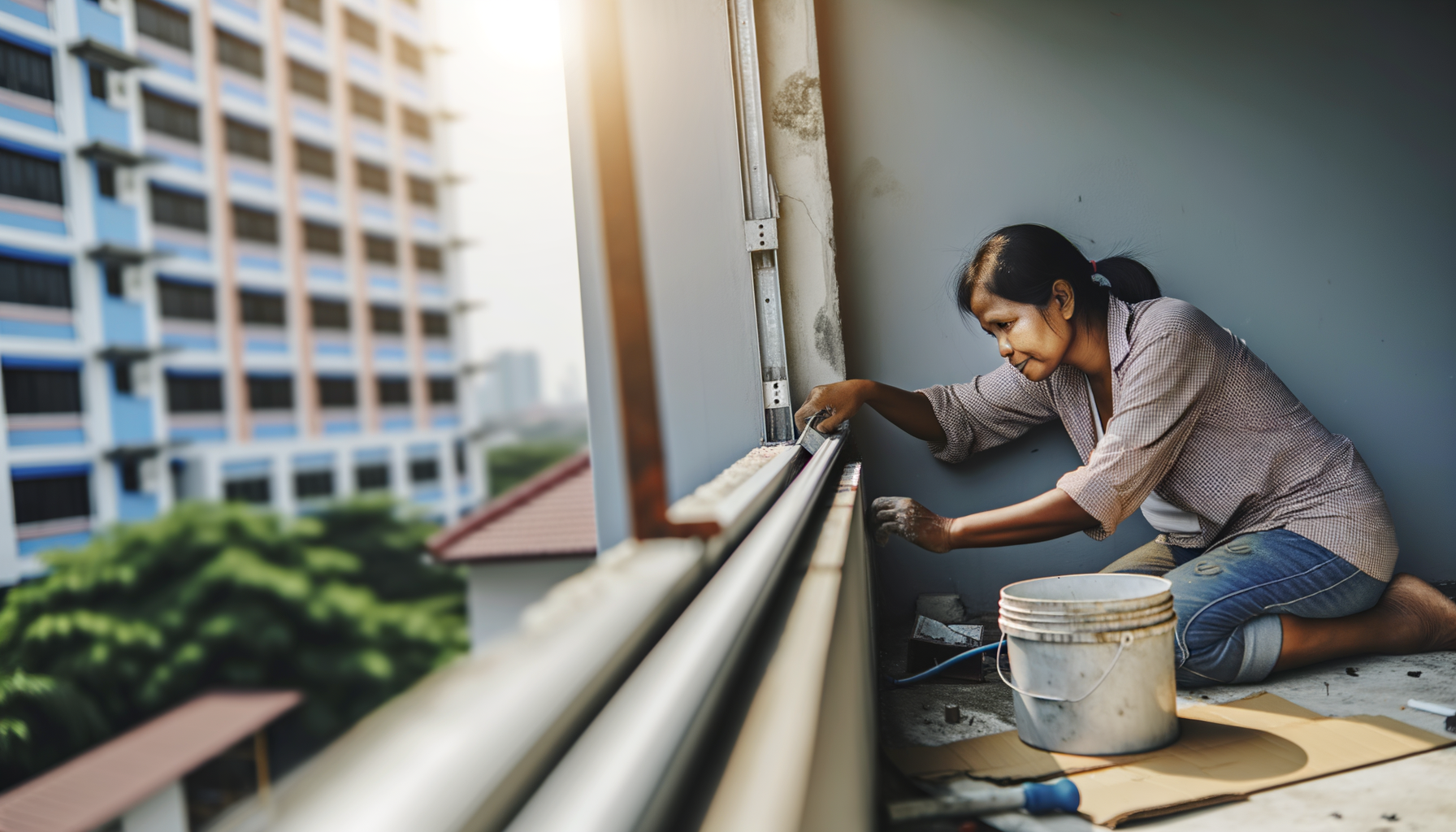
Ever walked into a building and immediately felt something was off? Flickering lights. Mystery leaks. Smells that make you wonder if something died in the walls. That's what happens when commercial building maintenance falls apart. Here's how the pros keep it all together (and how you can, tooeven if you've never replaced a light bulb in your life).
What Does Commercial Building Maintenance Actually Mean?
It's more than mopping floors or changing light bulbs. At its core, commercial building maintenance covers everything needed to keep a workplace safe, working, and welcoming. From AC checks to fixing busted doors, it's the engine that keeps a building running.
- Routine cleaning and janitorial work
- HVAC inspections and fixes
- Plumbing and electrical repairs
- Security and fire safety systems
- Outside upkeep like landscaping and snow removal
Why does any of this matter? Because when small stuff breaks, bigger stuff follows. Let things slide too long, and you're staring at chaotic repair bills and not-so-happy tenants or employees. Simple habits now = no fire drills (sometimes literally) later.
Which Building Maintenance Tips Save the Most Time and Money?
Want less stress and fewer late-night calls about flooded bathrooms? Here are a few tricks top facility managers swear by:
- Keep a digital log for repair requestsdon't rely on sticky notes
- Do regular walkthroughs (inside and out)
- Test alarms and emergency lightsset calendar reminders
- Replace air filters as soon as they look dirty
- Train your staff to spot problems early, like weird noises or funky smells
Bonus: Set up a "what broke this week" meeting. Sounds silly, but the pros know that fixing little things before they grow saves thousands in property maintenance every year.
Who Handles Facility Management: DIY or Outsource?
If your building is small, maybe you (or a handy coworker) can juggle most of it. But once you hit a certain sizethink more than a dozen toilets or daily deliveriesoutsourcing starts to make sense.
- Outsourced pros have the right tools for jobs you might mess up (like elevator repairs or complicated wiring).
- DIY works for simple stuff, but emergencies or big repairs need experts.
- Facility management companies do schedules, paperwork, and compliance so you don't have to.
Try this: List every recurring repair over the last year. If you see the same issues pop up or notice patches don't last, it might be time to bring help. No shamesometimes you just don't have enough hands or hours.
How Does Preventive Property Maintenance Work (and Why Bother)?
Everyone skips routine stuff sometimes. It's boring. But preventive property maintenance is clutch if you want to avoid huge headaches. It's like oil changes for your car: routine costs less than a breakdown.
- Schedule monthly and quarterly tasks (don't rely on memory)
- Set a rainy-day budget for repairs
- Create a checklist for seasonal changesthink snow in winter, pollen in spring
Most common mistake? Waiting until something fails. Even a little leak or creak should be checked out fast. Because water damage doesn't care if you're busy, and electricity won't politely warn you before going out.
Why Does Commercial Property Upkeep Keep People Happy?
People notice things even if they don't say it. Clean bathrooms, working doors, bright lightsthese matter. Tenants are more likely to stay (or pay rent on time). Employees actually enjoy coming in. Everyone feels safer and more comfortable.
- Quick fixes show you care
- Well-kept spaces attract better clients and tenants
- Neglect makes small problems way worse (and expensive) over time
If youve ever stepped around a recurring puddle or suffered through a freezing office, you get it. Dont let your building become the place people avoid.
What Goes Wrong: Building Repair Mistakes You Dont Want to Make
- Ignoring weird noisesthey never fix themselves
- Cutting corners with cheap parts (youll pay double later)
- Skipping staff training
- Not having emergency contacts ready
- Trying to DIY big jobs without experience
If you mess up a repair, dont panic. Fix it quickly or call a pro before it snowballs. Everyone has an "oops" storyjust dont let it become a horror story.
FAQ
- How often should I schedule commercial building maintenance?
Check basic stuff (like lights, bathrooms, exits) weekly. Do deeper checks on HVAC, roofs, and safety systems every few months. The older the building, the more often you should look. - What counts as preventive versus emergency maintenance?
Preventive means regular taskslike checking fire alarms or cleaning gutters. Emergency means fixing big stuff that's broken right now, like burst pipes or power outages. - Can I do property maintenance myself or do I need a pro?
You can handle simple things if you know how. But for anything with wires, gas, big machines, or insurance rules, hire someone trained. It keeps you safe and keeps insurance companies happy. - What's the most common maintenance mistake for commercial buildings?
Waiting too long. Most big problems started as small ones. If you see a minor leak or hear odd sounds, check it nowit's much cheaper to fix early. - Are there laws or rules I need to follow for building repair?
Yes. Every city has safety codes about fire exits, sprinklers, elevators, and more. If you skip these, you could get fined or even shut down. Always check your local rules before doing repairs or upgrades. - How do I spot hidden problems in my building?
Walk through every room at least once a week. Check for smells, drips, stains, or anything new that's broken. Asking your team what they notice helps you catch stuff early, too.
Keeping a building in great shape isn't about knowing every tool or trickit's about paying attention, staying organized, and acting fast. Start simple and be consistent. Before you know it, you'll notice fewer surprises and way fewer headaches. You (and everyone who uses your building) will feel the difference.