Ever wondered why some folks stash their cash online while others stick to the familiar bank down the street? An online savings account and a traditional bank savings account both keep your money safe and growing, but they work in different ways. This guide breaks it down simply—think of it as your beginner banking comparison guide to spot the best savings account type for you. We'll look at interest rates, convenience, safety, and more, so you can decide which is better: Online Savings Account Vs Traditional Bank Savings. Let's dive in.
What Is an Online Savings Account?
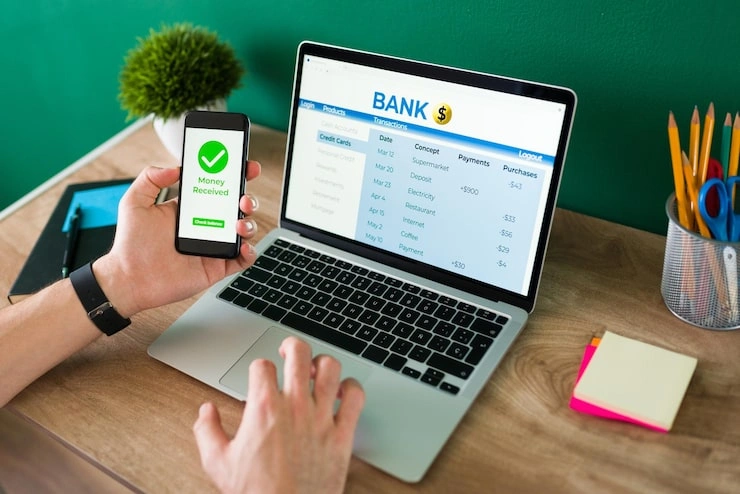
An online savings account is a digital way to save money without stepping into a bank branch. You open it through a website or mobile banking app, deposit funds via electronic fund transfers, and watch your balance grow. It's part of the branchless banking model, powered by fintech banking solutions that make saving easy from your phone.
What sets it apart? High-yield online savings accounts often beat traditional ones on interest. For example, if you park $5,000 at 4% interest, you could earn around $200 a year—way more than the typical 0.5% from older accounts. No minimum balance hassles in many cases, and automated savings tools let you set up round-ups from daily spends.
The account opening process is quick: sign up online, verify your ID digitally, and fund it with a transfer. No lines, no paperwork piles. But it's not for everyone—think about your comfort with apps. This beginner's pick shines for those chasing growth without the fuss.
Read Also: How To Get Out Of Debt On A Low Income
Key Features of Traditional Bank Savings Accounts
A traditional bank savings account is the classic choice, tied to a physical branch where you can walk in anytime. Traditional bank savings account features include face-to-face customer support, ATM access for quick cash, and in-person help with issues. You deposit checks at the counter, chat with tellers, and feel that old-school security.
These accounts often come with linked checking for seamless transfers and sometimes perks like free debit cards. Minimum balance rules apply—drop below, and account fees nibble at your savings. Interest rates? Usually lower, around 0.01% to 0.5%, because branches cost banks a lot to run.
Still, they matter for folks who like tangible services. Why traditional banks still matter shows in their full suite: not just savings, but loans and advice under one roof. If you're new to banking basics for beginners, starting here builds confidence before going digital.
Savings Account Interest Rate Comparison
Let's talk numbers—online savings account vs traditional savings interest rates tells a clear story. High-yield online savings accounts average 4-5% APY right now, thanks to no branch overhead. Traditional ones? Often under 1%, sometimes as low as 0.01%. Why online savings accounts have higher interest rates boils down to lower costs; they pass savings to you.
Picture this: $10,000 in an online account at 4.5% grows to $10,450 in a year. The same in a traditional account at 0.4%? Just $10,040. Over five years, that gap widens to thousands. Ways to maximize savings interest include shopping rates monthly—online banks update them fast.
Digital banking advantages shine here, with no caps on earning potential. Traditional banking services comparison shows they lag, but pair well if you need loans too. For most, online pulls ahead on growth.
Online Bank Vs Physical Bank Pros and Cons Explained
Weighing online bank vs physical bank pros and cons helps pick the best savings account option for beginners 2026. Online shines in flexibility—no hours, deposit anytime via app. But no cash deposits; everything's digital payments or transfers. Traditional banks offer ATM access and branch visits for checks, great if you're old-school. Downside? Fees for low balances and lower rates. Online pros: sky-high interest, no fees often, 24/7 access. Cons: no in-person help, potential transaction limits. Traditional pros: personal service, cash handling. Cons: branch waits, mediocre rates.
Online savings account pros and cons explained:
-
Higher yields and zero fees beat tradition easily.
-
App-based only—no branches for quick fixes.
Online vs offline banking for saving money tips:
-
Online saves time and money long-term.
-
Traditional suits cash-heavy lives.
Choose based on your habits—this differences between digital bank and traditional bank savings guide makes it clear.
Online Banking Convenience Benefits and Digital Perks
Online banking convenience benefits make daily saving a breeze. Imagine checking balances at 2 a.m. or setting automated savings tools to siphon $20 weekly from your paycheck. Mobile banking experience is smooth, with apps showing graphs of your progress.
Remote banking services mean no driving to deposit a check—snap a photo and done. Banking accessibility jumps for busy parents or remote workers. Fintech banking solutions add fun twists, like goal trackers for vacations.
Traditional setups? You wait in line. Digital banking ecosystem feels modern, with instant online transfers. For advantages of online savings accounts for beginners, it's the low-pressure way to start—no intimidating tellers.
Why people switch to online banking? Time saved adds up. One user I know ditched branches and boosted savings by 30% just from higher rates and habits. Modern banking trends point here for efficiency.
Online Banking Safety Comparison and Security Real Talk
Worried about hacks? Online banking vs traditional banking security comparison shows both are solid, with deposit protection covering up to a standard limit per account. Is online savings account safe compared to bank branch? Yes—banks use encryption, two-factor authentication, and fraud alerts.
Traditional branches have vaults, but cyber threats hit everywhere. Digital banks invest heavily in banking security, often more than old-school ones. How safe are online savings accounts? Very, if you use strong passwords and avoid public Wi-Fi.
Online banking safety comparison tips: enable alerts for every login. Traditional wins on physical locks, but online edges with real-time monitoring. Customer support responds fast via chat for both now.
No major differences in core safety—both thrive on trust. Pick what fits your peace of mind.
Read: How Much Return Can You Expect From Mutual Funds in 10 Years?
Traditional Banking Services Comparison: When Branches Still Shine
Traditional banking services comparison highlights what physical banks do best. Need a notary or wire transfer in person? Branches deliver. They bundle savings with checking, CDs, and advice—handy for complex needs. Customer support feels personal; tellers remember you. ATM access is everywhere, and cash deposits are simple. Account fees might apply, but perks like free checks offset them.
In the digital banking comparison guide, traditional holds ground for hands-on help. What is the difference between online and traditional banking? One's remote, one's right there. For banking basics for beginners, branches teach face-to-face. Ways traditional banks help: relationship building for loans later. They matter if digital feels overwhelming. Still, for online savings account vs traditional bank savings, online often trumps.
How to Choose Between Online and Traditional Bank?

How to choose between online and traditional bank? Start with your life. Love apps and chasing rates? Go online—online savings account for beginners is forgiving. Need cash often or in-person chats? Stick traditional. Tips for choosing a savings account: check interest first, then fees and access. Compare minimum balance—no big deal online usually. Test mobile banking app feel before committing.
Beginner guide to savings accounts says match your goals: emergency fund? Online's high yields. Daily cash? Traditional's ATMs. Should I switch to an online savings account? If saving more matters, yes—many do for convenience. How does an online savings account work? Fully digital, easy funds in/out. Ways to choose the right savings account boil to test runs. Open both if unsure; see what clicks.
Benefits of Online Savings Accounts for Everyday Savers
Benefits of online savings accounts stack up fast. Higher interest compounds quietly, turning small deposits into real gains. Online banking tips for beginners: link it to spending for auto-saves. No branch means pure focus on your money—no upsell chats. Digital banking advantages for users include anytime views, beating traditional waits. What are the benefits of digital savings accounts? Freedom and growth.
Saving money using online banks works via nudges—like alerts for rate drops. Financial technology innovation keeps it fresh, with tools for budgets. For best savings account option for beginners 2026, online fits tech-savvy starters. Ways online banks help save money? Less temptation to spend when it's not in hand. Real people rave about the ease.
You May Also Like: Crypto vs Stock Market: Where Should New Investors Invest?
FAQs
What is an online savings account?
It's a savings account run entirely online through apps or websites. No physical branch needed—you handle everything digitally, from deposits to tracking interest.
Which is better: online savings account or traditional bank?
It depends on you. Online offers higher rates and convenience; traditional gives in-person help and ATM access. For most savers, online edges out on earnings.
How safe are online savings accounts?
Very safe, with the same deposit protection as traditional banks, plus strong digital security like encryption and alerts. Use good habits, and risks stay low.
Why online savings accounts have higher interest rates?
They skip branch costs, so more money goes to your interest. No fancy lobbies means better yields for you—often 4-5% vs under 1% traditional.
What type of savings account is best for beginners?
An online one, for its ease, high rates, and no-fee options. Start small, learn the app, and grow—perfect banking basics for beginners.