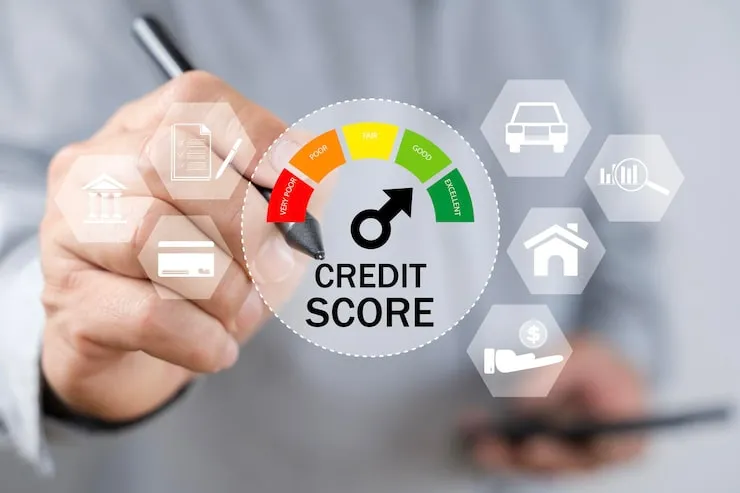
Your credit score is more than just a number—it’s a reflection of your financial health and can affect many aspects of your life, from getting approved for loans to securing lower interest rates on credit cards. A higher score can help you save thousands over time, while a low score may limit your financial options.
If you're looking to improve your credit score quickly, you're in the right place. In this blog, we’ll explore secrets to supercharge your credit score fast. With practical, easy-to-follow tips, you can take control of your credit score and work toward better financial opportunities in no time.
1. Check Your Credit Report for Errors
Before you do anything else, it’s essential to check your credit report for any inaccuracies. Mistakes on your credit report are more common than you might think and can have a negative impact on your credit score.
How to Check Your Credit Report:
-
Get a Free Copy: By law, you’re entitled to one free credit report each year from the three major credit bureaus—Equifax, Experian, and TransUnion. You can request your free reports from AnnualCreditReport.com.
-
Review for Errors: Look for any inaccurate information, such as incorrect personal details, missed payments that weren’t late, or accounts that don’t belong to you. Even small errors can drag your score down.
-
Dispute Any Mistakes: If you spot errors, dispute them with the credit bureaus. They are required to investigate and correct any mistakes. Getting these errors removed could immediately boost your score.
Correcting errors on your credit report is one of the fastest ways to improve your credit score, so take the time to check for discrepancies and resolve them promptly.
2. Pay Your Bills on Time
Your payment history makes up the largest portion of your credit score—around 35%. This means that consistently paying your bills on time is one of the most important factors in supercharging your credit score.
Tips to Stay on Top of Payments:
-
Set Up Reminders: Use your phone’s calendar, email reminders, or a budgeting app to alert you when a payment is due.
-
Automatic Payments: Set up automatic payments for recurring bills like credit cards, utilities, and loan payments. This can help you avoid missed payments.
-
Pay at Least the Minimum: If you can’t pay the full balance, always pay at least the minimum payment. Missing payments can cause significant damage to your score.
Timely payments demonstrate your ability to manage debt responsibly, which is vital for a healthy credit score. Aim for on-time payments to maximize your credit score.
3. Lower Your Credit Utilization Rate
Credit utilization refers to how much of your available credit you're using, and it makes up 30% of your credit score. To supercharge your score, keep your credit utilization as low as possible.
How to Lower Your Credit Utilization:
-
Pay Down Balances: If you're carrying high balances on your credit cards, make it a priority to pay them down. The lower your balance, the better your credit score will be.
-
Increase Your Credit Limit: If you can, request a credit limit increase from your credit card issuer. This will give you more available credit and can help lower your utilization rate, provided you don’t increase your spending.
-
Distribute Spending Across Cards: If you have multiple credit cards, try to spread your spending across them instead of maxing out a single card.
As a rule of thumb, aim to keep your credit utilization under 30%. Lower utilization can make a noticeable impact on your score, especially if you have high balances or are using more than half of your credit limit.
4. Pay Off High-Interest Debt First
When you have multiple debts, paying off the highest-interest debts first is a smart way to boost your credit score quickly. Not only will this lower your credit utilization, but it will also reduce the total amount of interest you’re paying.
How to Tackle High-Interest Debt:
-
Focus on One Debt at a Time: Use the “debt avalanche” method, where you pay off the debt with the highest interest rate first while making minimum payments on other debts.
-
Refinance or Consolidate Debt: Consider consolidating high-interest credit card debt with a personal loan at a lower interest rate. This can help you pay off debt faster and save money on interest.
Paying down high-interest debt is key to improving your credit score and easing financial stress. As you reduce your debt, your credit score will likely see an immediate boost.
5. Increase Your Credit Limit Without Spending More
As mentioned earlier, credit utilization is important for your score. One way to instantly lower your credit utilization is by increasing your credit limit. This doesn't mean you should start spending more, but simply increasing your available credit will help improve your utilization ratio.
How to Increase Your Credit Limit:
-
Request a Credit Limit Increase: Contact your credit card issuer and ask for a credit limit increase. If you have a good payment history, they may approve your request.
-
Apply for a New Credit Card: If you're unable to increase the limit on your existing cards, applying for a new credit card can help. Be sure to compare different cards to find one with no annual fee and a favorable interest rate.
Increasing your credit limit is a quick and effective strategy to lower your utilization rate and give your credit score a boost—just be sure not to run up your balances.
6. Become an Authorized User on Someone Else’s Credit Account
If you have a family member or friend with a solid credit history, becoming an authorized user on their credit card account can help improve your credit score. As an authorized user, their good credit behavior will reflect on your credit report, potentially giving your score an immediate boost.
How to Take Advantage of This Strategy:
-
Ask to Be Added: Reach out to a family member or trusted friend with good credit and ask if they would be willing to add you as an authorized user on one of their credit cards.
-
Ensure They Have Good Credit: Make sure that the person adding you has a strong credit history. Their payment history, credit utilization, and account age will directly affect your score.
-
No Need to Use the Card: You don’t need to actually use the credit card to benefit from being an authorized user—just being added to the account can help improve your score.
This method is one of the quickest ways to supercharge your credit score fast, but it requires trust and collaboration with someone else. It’s also essential to ensure that the primary cardholder manages their credit well to avoid any potential negative impacts.
7. Avoid Opening New Credit Accounts Frequently
While applying for new credit can sometimes help improve your score by increasing your available credit, opening new accounts too often can hurt your score in the short term. Each time you apply for credit, a hard inquiry is recorded on your credit report, which can cause a small, temporary dip in your score.
Tips for Managing New Credit:
-
Limit New Applications: Avoid applying for multiple new credit cards or loans in a short period. This can signal to lenders that you are financially desperate.
-
Space Out Applications: If you need to open new accounts, space out your applications over time to reduce the impact of hard inquiries.
-
Monitor Your Credit: Keep track of your credit score so you can see how new inquiries or accounts impact your overall score.
Opening new credit accounts occasionally is fine, but doing so excessively can hurt your credit score. Be strategic and avoid applying for too much credit in a short period.
8. Settle Any Collections Accounts
If you have any accounts in collections, they can significantly impact your credit score. Settling these accounts or negotiating for removal can help improve your score and remove negative marks from your credit report.
Steps to Handle Collections:
-
Negotiate a Settlement: If you owe money to a collections agency, contact them to negotiate a settlement. Offer to pay a portion of the debt in exchange for removing the account from your credit report.
-
Request a "Pay for Delete": In some cases, collections agencies may agree to remove the account entirely from your credit report if you pay the debt in full or settle it.
-
Get It in Writing: Always request a written agreement that the debt will be removed once it is paid off.
Settling collections accounts is an important step to take if you want to supercharge your credit score fast. These accounts can remain on your report for years, but paying them off or negotiating a removal can have a significant, positive impact on your score.
Conclusion: Take Control of Your Credit Score Today
Improving your credit score doesn’t happen overnight, but with the right strategies, you can make noticeable improvements in a short amount of time.
By checking your credit report for errors, paying your bills on time, lowering your credit utilization, and negotiating with lenders, you can supercharge your credit score fast. Remember that credit improvement is a marathon, not a sprint. Be patient and stay consistent with these tips, and you’ll soon see your credit score rise.
Whether you're aiming for a higher credit score to get a better interest rate or simply want to improve your financial health, these steps will help you get there. Take control of your credit today—your future self will thank you!