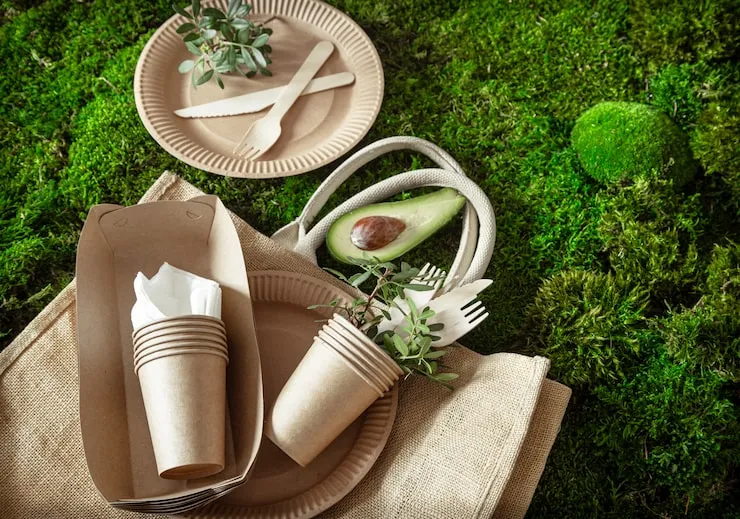
In today’s world, where environmental concerns top global agendas, the way we package our products plays a crucial role in shaping our ecological footprint. Plastic — once vilified as a villain of pollution — is getting a second chance thanks to innovation. Clever designs and sustainable alternatives are transforming plastic packaging from a problem into part of the solution. This blog explores how ecofriendly plastic packaging products are helping individuals, brands, and communities embrace greener lifestyles without sacrificing convenience or performance.
Why Rethinking Plastic Packaging Matters?
Plastic packaging has become ubiquitous. From food containers to shipping materials, its versatility and low cost made it an essential part of modern life. But decades of singleuse waste ending up in oceans, landfills, and ecosystems have forced a reckoning.
Traditional plastics are derived from fossil fuels and take hundreds of years to decompose. As public awareness grew, so did calls for alternatives — leading to bans on certain singleuse plastics and policies encouraging recycling and reuse.
Yet, eliminating plastic entirely is neither practical nor always environmentally beneficial. Paper or glass alternatives aren’t perfect either; their production can be resourceintensive, often requiring more energy and water than recycled plastics. The solution isn’t no plastic — it’s smart plastic. That’s where innovative, ecofriendly plastic packaging comes in.
What Makes Plastic Packaging EcoFriendly?
Ecofriendly plastic packaging products share several key features:
-
Use of Recycled Content: Packaging made from postconsumer or postindustrial recycled plastics reduces the demand for virgin material.
-
Recyclability: Designed to be easily sorted and recycled into new eco friendly products, minimizing waste.
-
Biodegradability or Compostability: Some plastics are engineered to break down naturally under the right conditions.
-
Lower Carbon Footprint: Sustainable manufacturing processes that cut emissions and energy use.
-
Reusable Design: Packaging that serves multiple purposes before disposal (e.g., refillable bottles, modular containers).
These characteristics help reduce environmental impact, conserve resources, and support a circular economy — a system where materials continuously flow back into production cycles instead of ending up as waste.
Ingenious EcoFriendly Plastic Packaging Innovations
Let’s look at some exciting examples of how designers and companies are reinventing plastic packaging for a sustainable future.
1. Recycled Plastic Packaging
One of the most impactful innovations is packaging made from recycled plastics. Brands collect used bottles, containers, and films, then process them into new packaging materials. This not only diverts waste from landfills but also reduces the carbon footprint associated with producing virgin plastics.
For instance, many beverage companies now use bottles made from 100% recycled PET (rPET). Some cosmetic brands have shifted to recycled HDPE for shampoo and lotion bottles. These efforts send a powerful message: Good packaging can come from waste.
2. Bioplastic and Compostable Films
Bioplastics are derived from renewable biological sources like corn starch, sugarcane, or cellulose. While they behave like conventional plastics, many are designed to break down under specific conditions into natural substances.
Compostable films are especially ingenious. They can be used for packaging foods or singleserve products and then composted at industrial facilities, reducing landfill burden. However, it’s essential to distinguish between biodegradable and compostable — the latter requires certification and specific conditions for proper breakdown.
3. ReturnandRefill Systems
Instead of discarding packaging after use, some companies are reviving the old model of return and refill. Customers return empty containers to be cleaned and refilled, cutting down on new plastic production.
This approach fits beautifully with the modern emphasis on sustainability and consumer participation. It empowers customers to be part of the solution and builds brand loyalty rooted in environmental ethics.
4. Smart Packaging with Clear Recycling Labels
Confusion over recycling symbols and guidelines often leads to perfectly recyclable plastics being thrown away. To address this, designers are creating packaging with clear, intuitive recycling information — including QR codes that explain local recycling rules.
These smart labels help consumers make the right choices and reduce contamination in recycling streams. When recycling systems work better, more materials can be reused effectively.
How EcoFriendly Packaging Supports Everyday Green Living?
Adopting ecofriendly plastic packaging contributes to sustainable lifestyles in many meaningful ways:
Reduces Waste
By choosing products with recycled, recyclable, or compostable packaging, consumers help divert waste from landfills and oceans. Even small choices add up when millions participate.
Conserves Resources
Recycled plastics reduce the need for virgin materials, saving energy, water, and raw resources. This also helps lower greenhouse gas emissions associated with prouction.
Encourages Responsible Consumption
When brands prioritize sustainable packaging, they inspire customers to think critically about consumption habits — from how products are packaged to how they are used and disposed of.
Supports a Circular Economy
Ecofriendly packaging closes the loop: plastics are continually reused or recycled, rather than discarded after a single use. This transition from a linear to a circular economy is key to longterm environmental health.
Tips for Choosing Sustainable Plastic Packaging Products
Whether you’re shopping for groceries, beauty products, or household goods, here are practical tips for making ecofriendly choices:
1. Look for High Recycled Content
Opt for products packaged in materials with 30%, 50%, or even 100% recycled plastic. Labels often indicate this.
2. Prioritize Recyclable Designs
Check if the packaging is widely recyclable in your local system — some materials (like certain multilayer films) are harder to recycle.
3. Avoid SingleUse Plastics When Possible
Choose reusable containers over disposable ones. Bring your own bags, bottles, and food containers.
4. Support Brands with Sustainable Packaging Commitments
Research brands that publish sustainability reports or have clear environmental goals. Your purchases influence market demand.
5. Educate Yourself About Local Recycling Rules
Recycling varies by region — knowing what your local facility accepts helps avoid contamination and ensures your materials get recycled.
Challenges and Considerations
While sustainable plastic packaging offers great promise, there are challenges:
-
Infrastructure Gaps: Not all regions have robust recycling or composting facilities.
-
Consumer Behavior: Proper disposal still depends on individual habits.
-
Misleading Labels: Terms like “ecofriendly” or “biodegradable” can be vague without certification.
These hurdles underscore the need for systemic solutions — from improved waste management to policy support and consumer education.
Final Thoughts
Ecofriendly living isn’t about perfection — it’s about progress. Ingenious innovations in plastic packaging prove that sustainability and practicality can go hand in hand. From recycled materials and compostable films to reusable designs and clear recycling labels, every step forward helps protect our planet.
By choosing smarter packaging and making informed decisions, consumers become active participants in a global shift toward sustainability. As we rethink how eco friendly products, shipped, and reused, we create a future where convenience doesn’t come at the environment’s expense.
Together, with mindful choices and innovative solutions, we can transform plastic packaging from a problem into a powerful tool for a greener, cleaner world.