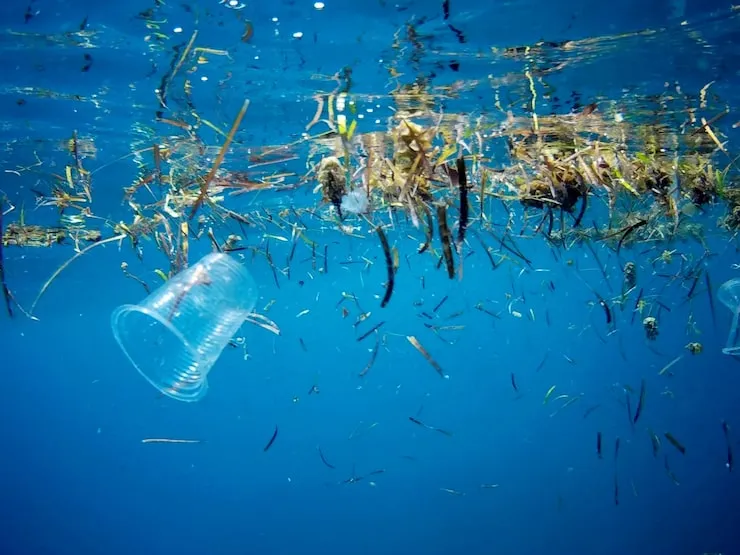
In a world drowning in plastic, environmentalists, scientists, and everyday citizens are searching for solutions that can turn the tide against pollution. From the grocery bag clutched at checkout to the packaging around our favorite products, plastics have become ubiquitous. While convenient, they have a dark side—polluting oceans, endangering wildlife, and contributing to the ever-growing problem of climate change. However, a revolutionary development in sustainable materials is offering a beacon of hope: real plastic alternatives that can replace traditional plastics without compromising utility or convenience. This is not just an incremental improvement; it’s a game-changing shift that could transform the way we interact with everyday products and significantly impact the environment.
The Plastic Problem: Why Change Is Urgent
Plastic has been celebrated as one of the greatest inventions of the 20th century. Lightweight, versatile, and inexpensive, it has revolutionized packaging, manufacturing, and consumer goods. However, the environmental cost of plastic production and disposal has become impossible to ignore. Each year, millions of tons of plastic waste end up in landfills and oceans. According to the United Nations, over 300 million tons of plastic are produced annually, and only a fraction of that is recycled. The rest pollutes the environment, threatening ecosystems and human health.
Marine animals are particularly vulnerable. Sea turtles mistake plastic bags for jellyfish, birds ingest microplastics, and fish accumulate toxins from plastic-contaminated water. Even humans are not immune—microplastics have been found in drinking water, seafood, and even the air we breathe. The statistics are alarming, and the consensus is clear: continuing down this path is unsustainable.
While recycling and reduction campaigns have helped, they alone cannot solve the problem. A more revolutionary approach is needed—enter real plastic alternatives.
What Are Real Plastic Alternatives?
The term “real plastic alternatives” refers to materials designed to perform the same functions as traditional plastics but are biodegradable, compostable, or derived from renewable resources. Unlike conventional plastics made from fossil fuels, these alternatives aim to minimize environmental harm by breaking down naturally or being reused without creating toxic residues.
Some of the most promising alternatives include:
-
Bioplastics: Derived from natural sources like cornstarch, sugarcane, and algae. They can be biodegradable or recyclable, depending on the type.
-
Polylactic Acid (PLA): Made from fermented plant starch, PLA is commonly used in packaging and disposable cutlery. It breaks down under industrial composting conditions.
-
Mushroom Packaging: Produced from mycelium, the root structure of mushrooms, this material is biodegradable and can replace foam and plastics used in packaging.
-
Seaweed-Based Films: Flexible, edible, and biodegradable, seaweed-based materials are increasingly used for packaging and wraps.
-
Recycled Paper and Plant Fibers: Advanced techniques allow paper and plant fibers to take the place of plastic in many containers and bags, while remaining sturdy and water-resistant.
These alternatives are not just theoretical—they are already being deployed in industries ranging from food service to retail, showing that real-world solutions exist and can scale.
Revolutionary Swaps That Make a Difference
Transitioning from traditional plastics to real alternatives requires practical, everyday swaps that both businesses and individuals can implement. Here’s a look at some revolutionary swaps already making a measurable impact:
1. Plastic Bags → Biodegradable or Reusable Bags
The ubiquitous plastic bag is one of the largest contributors to pollution. Cities worldwide have implemented bans or taxes, encouraging reusable alternatives. The next step is biodegradable bags made from corn starch or other renewable materials. These bags degrade in composting conditions, reducing the burden on landfills and oceans.
2. Single-Use Cutlery → PLA or Bamboo Cutlery
Disposable plastic forks, spoons, and knives are a staple of takeout culture, yet they take centuries to decompose. Real alternatives, like PLA cutlery or bamboo utensils, offer the same convenience but can break down naturally or be reused. Restaurants and food delivery services adopting these alternatives are significantly reducing their plastic footprint.
3. Packaging → Mushroom or Seaweed-Based Materials
Shipping and product packaging contribute to massive amounts of plastic waste. Innovative startups are developing packaging made from mushrooms or seaweed that is compostable, durable, and non-toxic. Unlike traditional foam or plastic wraps, these materials return to the earth without leaving harmful residues, helping industries move toward a circular economy.
4. Bottles and Containers → Bioplastics and Glass
Plastic bottles are notoriously difficult to recycle and often end up in waterways. Bioplastic bottles made from renewable sources or reusable glass alternatives offer practical solutions. Combined with refill stations and deposit-return schemes, these swaps can drastically reduce the number of plastic bottles polluting the environment.
5. Straws → Edible, Paper, or Metal Alternatives
Plastic straws may seem small, but they add up—billions end up in oceans annually. Edible straws made from rice or seaweed, paper straws, and reusable metal straws are all examples of effective swaps. Each straw replaced reduces pollution and raises awareness about broader plastic consumption.
The Environmental Impact of Real Plastic Alternatives
Switching to real plastic alternatives is more than a feel-good initiative; it has measurable environmental benefits. Studies have shown that using biodegradable or plant-based materials reduces carbon emissions, energy consumption, and landfill waste. For example:
-
Lower Carbon Footprint: Many bioplastics are derived from plants that absorb CO during growth, partially offsetting the emissions fom production.
-
Reduced Ocean Pollution: Biodegradable materials degrade naturally, reducing the accumulation of microplastics in marine ecosystems.
-
Less Landfill Waste: Compostable alternatives break down in months rather than centuries, freeing up landfill space and reducing methane emissions.
-
Safer for Wildlife: Non-toxic alternatives reduce the risk of ingestion or entanglement, protecting animals across ecosystems.
The shift to real plastic alternatives represents a systemic change, where environmental gains are cumulative and long-term, addressing the root causes of pollution rather than merely treating the symptoms.
Challenges in Adopting Real Plastic Alternatives
While the benefits are clear, transitioning from traditional plastics is not without challenges. Businesses, governments, and consumers must overcome several obstacles:
1. Cost Considerations
Many real plastic alternatives are currently more expensive to produce than conventional plastics. While prices are dropping as technologies scale, initial adoption can be cost-prohibitive for small businesses or large-scale production.
2. Infrastructure for Composting
Biodegradable plastics like PLA require industrial composting facilities to break down fully. Without proper infrastructure, these materials can end up in landfills where they degrade more slowly, limiting environmental benefits.
3. Consumer Awareness
Widespread adoption depends on educating consumers about the importance of alternatives and how to dispose of them correctly. Misuse can negate environmental benefits, such as tossing compostable materials into regular trash.
4. Technical Limitations
Some alternatives are not yet suitable for all applications. For example, certain bioplastics may not withstand high heat, and seaweed-based packaging may not be ideal for long-term storage of liquids. Continuous innovation is needed to overcome these limitations.
Case Studies: Real-World Success Stories
Despite challenges, numerous organizations and communities have successfully implemented real plastic alternatives, demonstrating that revolutionary change is possible.
1. Loop Industries and Circular Packaging
Loop Industries, a global sustainability company, produces packaging from recycled PET plastics combined with plant-based materials. Major brands, including Nestlé and PepsiCo, have partnered with Loop to create fully recyclable and reusable packaging, reducing reliance on virgin plastic production.
2. IKEA’s Biodegradable Packaging Initiative
IKEA has pledged to phase out single-use plastics and replace them with sustainable alternatives, including mushroom-based packaging and paper solutions. The company reports that these changes have significantly reduced plastic waste in its supply chain, inspiring other retailers to follow suit.
3. Seaweed Packaging Startups
Startups like Loliware and Evoware are creating edible, biodegradable packaging from seaweed. These products are already replacing traditional plastic wraps in food service, offering a tangible example of how everyday items can be reimagined sustainably.
4. Cities Banning Single-Use Plastics
Cities like San Francisco and Vancouver have implemented bans on plastic bags, straws, and utensils. By promoting alternatives, they have reduced local plastic waste and set benchmarks for environmental policy worldwide.
How Individuals Can Participate
While corporations and governments play a critical role, individuals also have the power to make a difference through conscious choices:
-
Switch to reusable bags, bottles, and utensils.
-
Support products made from bioplastics or compostable materials.
-
Participate in local composting programs.
-
Educate friends and family about plastic pollution and alternatives.
-
Advocate for policies promoting sustainable materials.
Even small actions, when multiplied across communities, can accelerate the adoption of real plastic alternatives and reduce environmental impact.
The Future of Plastic Alternatives
The revolution in sustainable materials is just beginning. Researchers are developing new alternatives that mimic the properties of plastics while being fully biodegradable or edible. For example:
-
Algae-Based Plastics: Fast-growing and highly renewable, algae-based plastics can replace packaging materials and even textiles.
-
Plant-Fiber Composites: These materials combine natural fibers with biodegradable resins to create strong, lightweight alternatives suitable for automotive and construction industries.
-
Smart Bioplastics: Embedded with sensors or additives, these materials could signal when decomposition is complete, optimizing composting and recycling processes.
As technology advances, the cost of production will drop, and adoption will become more feasible for businesses and consumers alike. The vision is clear: a world where plastic consumption no longer equates to environmental destruction.
Conclusion
The environmental cost of conventional plastics is undeniable, but the rise of real plastic alternatives offers hope. Through revolutionary swaps—biodegradable bags, PLA cutlery, mushroom packaging, and more—both individuals and businesses can reduce plastic waste, protect ecosystems, and move toward a sustainable future.
Transitioning to these alternatives requires awareness, infrastructure, and a willingness to embrace innovation. While challenges remain, the benefits are profound: cleaner oceans, healthier wildlife, reduced landfill waste, and a future where convenience no longer comes at the planet’s expense.
The real plastic revolution is not just about replacing materials—it’s about changing mindsets. Every conscious choice, every sustainable swap, contributes to a collective movement capable of saving our environment. By embracing these alternatives today, we are investing in a cleaner, healthier, and more sustainable tomorrow. The time to act is now, and the revolution has already begun.