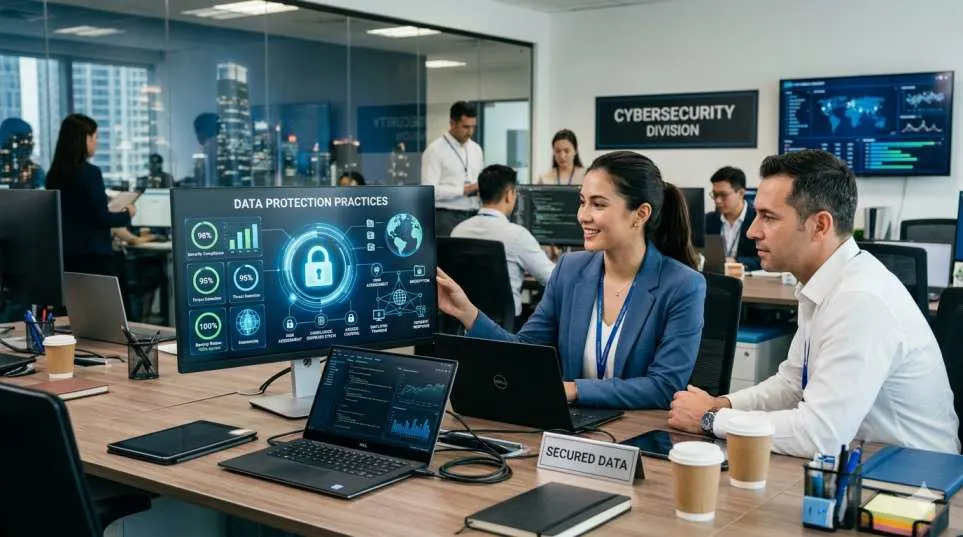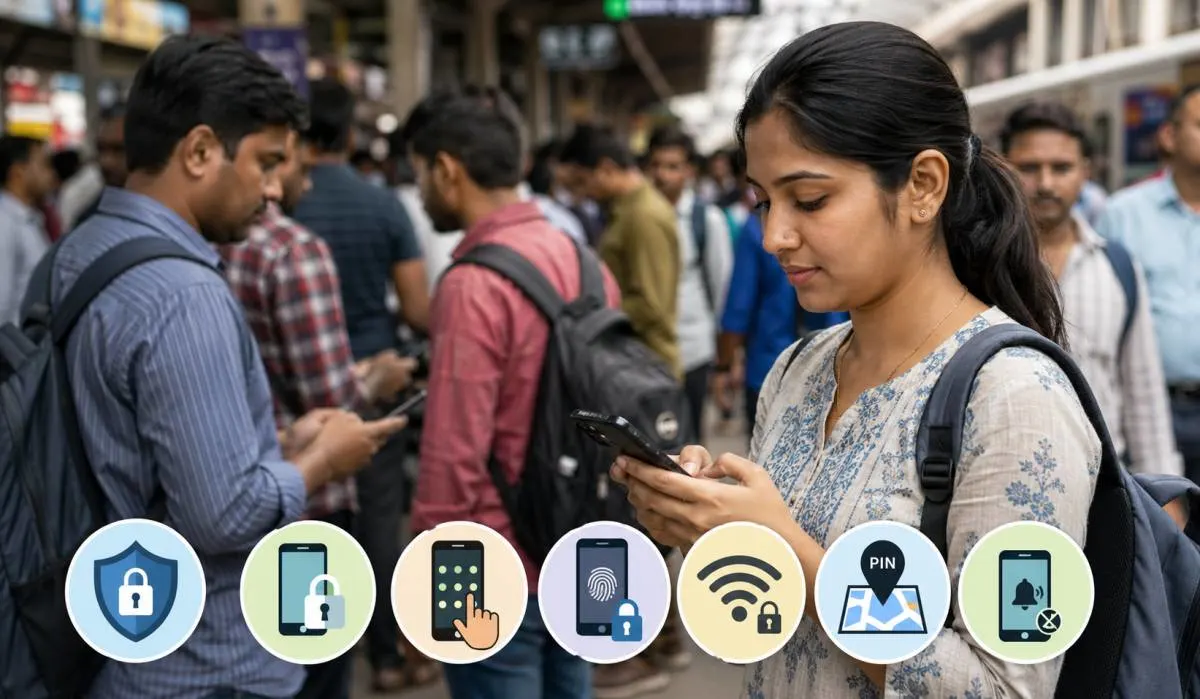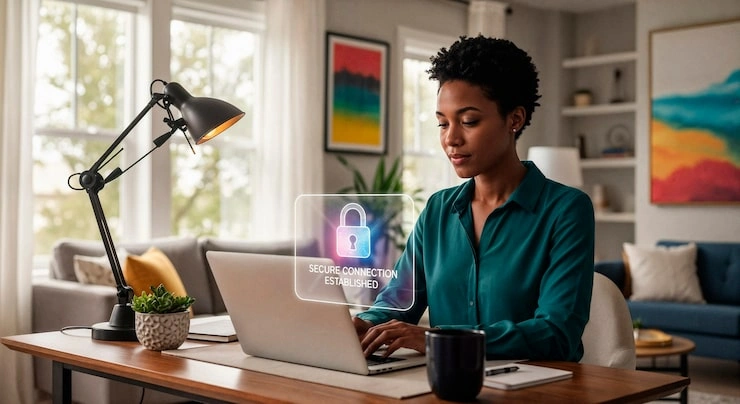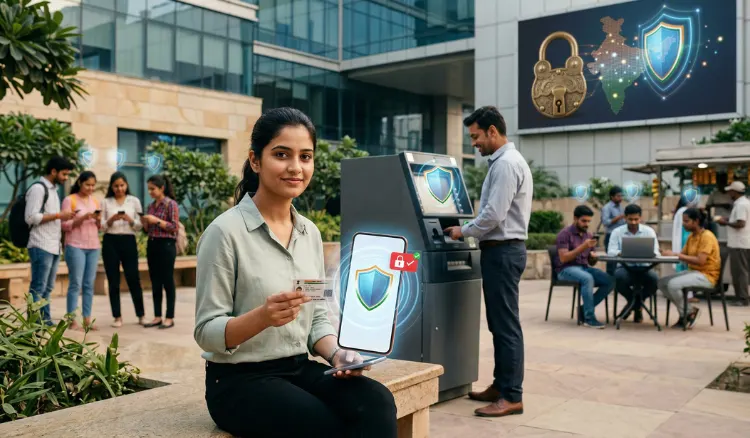
Ever feel like hackers are always a step ahead? You're not alone. Big companies get hit, but so do regular folks, at home or at work. One weak spot—a lazy password, a sketchy Wi-Fi, an out-of-date app—and it's open season on your info. What if you could swipe a few tricks straight from actual pros? That's why you're here: To get cybersecurity expert tips that actually make sense.
Why Listen to Cybersecurity Experts?
Simple: they've seen every mistake. They've cleaned up after disasters and stopped messes before they started. They know what works and what fails—because they've lived it. Whether you want to protect your small business or your baby photos, expert advice is your best shot.
Which Cybersecurity Tips Actually Work?
There's a lot of noise online. But pros swear by a handful of basics. They're simple, but most people skip them. Here are some top picks:
- Use strong, unique passwords for every account. Think long, weird combos—not your dog's name twice.
- Turn on two-factor authentication if it's an option. It's like adding a deadbolt to your front door.
- Update your software—all of it. Hackers love old versions.
- Slow down before you click, especially on links in emails or texts. If something feels off, it probably is.
- Back up your data regularly. If something goes wrong, you won't lose everything.
Might sound too easy, right? But these are the steps pros take every day for themselves. They know that simple fixes often block the biggest threats.
What Are the Most Common Mistakes (and How to Dodge Them)?
The worst slip-ups aren't fancy—they're boring and avoidable. People get in trouble by:
- Using the same password everywhere (yes, even with a "1" at the end)
- Clicking "remind me later" on software updates—again and again
- Believing, "Nobody would target me—I'm not important"
- Trusting public Wi-Fi without a second thought
Here's what experts do different: They're cautious by default. They treat weird emails like junk mail. They roll their eyes, then double-check anyway. They make little habits automatic, so it's less likely something slips through.
How Do Experts Protect Their Own Devices?
It isn't magic—it's routine. A cybersecurity expert I know checks his phone's app updates every week, calls his bank when he gets weird texts, and literally never uses hotel Wi-Fi without a VPN. It's about stacking little habits, not one big super-tool.
Network Security Tips Worth Copying
- Change your router's default password. The sticker on the bottom? Toss it.
- Set up a guest network for visitors. That way, your main devices stay safer.
- Check who's connected. If you don't recognize a device, investigate.
- Keep your router updated. Routers need software updates too, like your phone.
What About When You're Working Remotely?
Remote work changed the game. Experts say you should treat every new Wi-Fi like a stranger. Always use a VPN for work stuff. Don't save sensitive files on coffee shop computers, and log out when you're done. Sounds basic... until you forget once and get burned.
The Trouble With Phishing (and How Experts Outsmart It)
Phishing is a hacker's favorite trick: fake emails that look real. They're getting better—sometimes it's hard to tell. The best advice? Never click links or download attachments unless you're sure, and always double-check the sender. If a message makes you panic or rush, slow down. That's often a sign it's bogus.
How to Teach Kids (and Parents) Good Cybersecurity Habits
Even the smartest adults fall for scams. If you’ve got kids on devices, start with these:
- Talk about what’s OK to share (and what’s not)
- Set limits on downloads and app installs
- Show them how to spot a sketchy link or weird message
- Practice safe passwords together—it’s a family thing
Building a Cybersecurity Strategy That Lasts
You don't need a million-dollar setup. Experts build their strategy on honesty and routine. Admit where you're sloppy (is it passwords? Is it lazy updates?), then fix one thing at a time. Make small changes, often. It adds up.
FAQ: Real Questions About Cybersecurity Expert Tips
- What's the number one mistake people make in cybersecurity?
Most people use weak or repeated passwords for everything. That's like leaving your house keys under the mat. Make every password unique and at least 12 characters. Password managers help you keep track, so you don’t have to remember them all. - What are simple network security tips for home?
Start by changing your router’s default password and keep the software updated. Use a guest network for visitors and always know which devices connect to your network. These steps make it much harder for someone to break in. - How do I know if an email is a phishing scam?
If it pushes you to act fast (like clicking a link or sending info), be suspicious. Check the sender’s address—sometimes there are small errors. When in doubt, don’t click anything and contact the company directly. - Can small businesses use expert cybersecurity advice without spending tons of money?
Yes. Most expert advice is about habits, not buying fancy software. Use strong passwords, train your staff on suspicious emails, and back up your data. Save money by doing the basics really well before worrying about expensive tools. - Do cybersecurity strategies really change that much every year?
The basics stay the same: protect passwords, update software, beware of phishing. But hackers do get smarter, so you should check for new tips every now and then. Stick to what works, but don’t ignore new threats. - What should I do if I think I got hacked?
Change your passwords right away, especially for your main accounts (email, bank). Run a scan for viruses or malware. If you’re not sure, ask someone you trust who knows a bit about this stuff. Fixing it early can stop bigger problems.
Bottom line: cybersecurity isn't far-off or fancy. It's about making smart moves every day, learning from the folks who've seen the worst, and keeping things simple enough to stick. Try one expert tip this week. Next week, add another. Soon enough, you'll be the pro your friends come to for help.