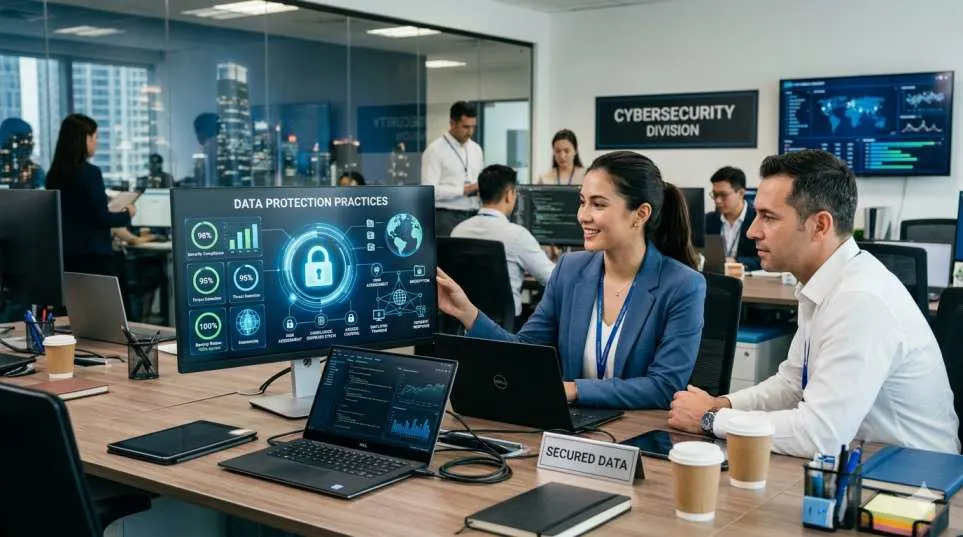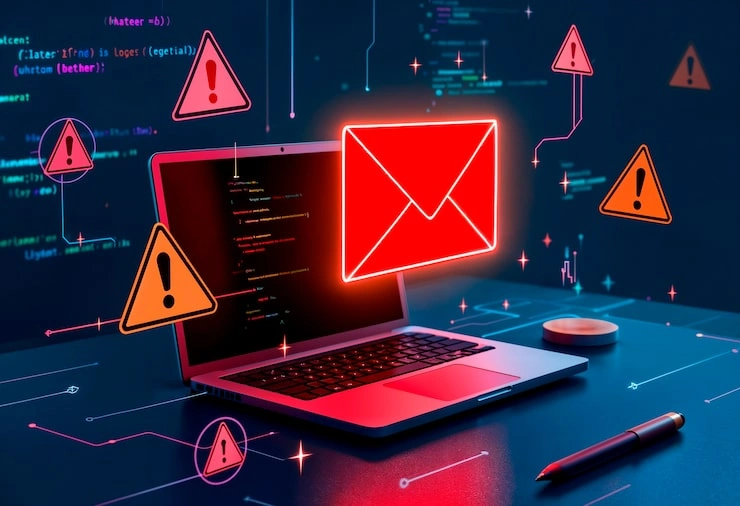
In today’s digital era, cybersecurity has evolved from a technical necessity to a critical business priority. Cyber threats are becoming increasingly sophisticated, targeting organizations of all sizes across industries. From ransomware attacks to phishing scams, a single breach can lead to financial loss, reputational damage, and legal complications. This makes implementing robust cybersecurity practices essential for every organization. In this blog, we will explore essential cybersecurity best practices that organizations should adopt to protect their digital assets, safeguard sensitive data, and maintain operational resilience.
1. Conduct Regular Risk Assessments
Understanding your organization’s vulnerabilities is the first step toward effective cybersecurity. Regular risk assessments help identify potential threats to your systems, networks, and data. This includes evaluating:
-
Network infrastructure
-
Employee access controls
-
Third-party vendor security
-
Software and hardware vulnerabilities
Tip: Use frameworks like NIST Cybersecurity Framework or ISO/IEC 27001 to structure your assessments systematically.
2. Implement Strong Access Controls
Access control is a cornerstone of cybersecurity. Organizations should adopt the principle of least privilege (PoLP), giving employees access only to the resources they need for their role. Measures include:
-
Multi-factor authentication (MFA)
-
Role-based access control (RBAC)
-
Regularly reviewing and revoking unused accounts
Why it matters: Limiting access reduces the risk of insider threats and unauthorized data exposure.
3. Keep Software and Systems Updated
Outdated software and systems are a favorite target for cybercriminals. Regular patch management ensures that security vulnerabilities are addressed promptly.
-
Update operating systems, applications, and firmware regularly
-
Use automated patch management tools for consistency
-
Ensure end-of-life software is replaced or decommissioned
Bonus tip: Monitor vendor advisories for critical updates and vulnerabilities.
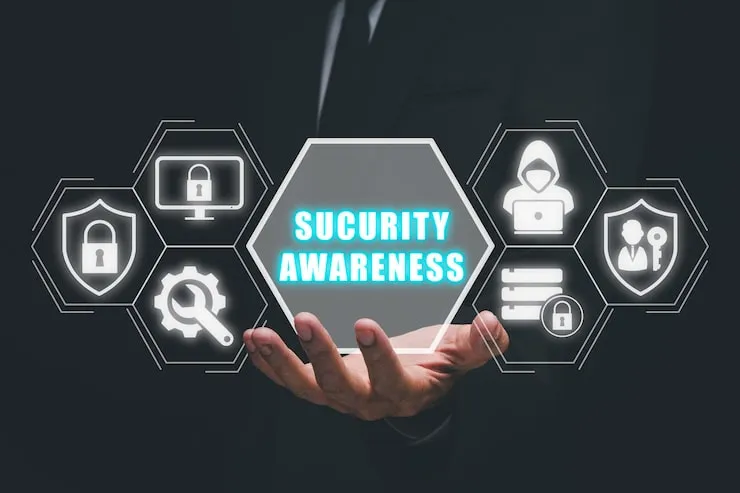
4. Train Employees on Cybersecurity Awareness
Humans are often the weakest link in cybersecurity. Phishing attacks, social engineering, and unsafe online behavior can compromise your organization. Conduct regular employee training programs to cover:
-
Identifying phishing emails
-
Safe password practices
-
Handling sensitive data securely
-
Reporting suspicious activities
Pro tip: Simulated phishing exercises can reinforce learning and highlight vulnerabilities.
5. Secure Your Network Infrastructure
A secure network is vital to prevent unauthorized access. Best practices include:
-
Using firewalls and intrusion detection/prevention systems
-
Encrypting sensitive data in transit and at rest
-
Segmenting networks to limit lateral movement of attackers
-
Implementing VPNs for remote access
Key takeaway: Regular network audits and penetration testing help ensure your defenses are robust.
6. Backup Data Regularly
Data loss from cyberattacks, human error, or hardware failures can be catastrophic. Regular, secure backups are essential.
-
Follow the 3-2-1 backup rule: three copies of data, on two different media, with one offsite
-
Test backups periodically to ensure they can be restored
-
Consider cloud backup solutions with encryption and redundancy
Why it’s critical: Backups reduce downtime and ensure business continuity in the event of a cyber incident.
7. Develop an Incident Response Plan
No organization is immune to cyberattacks. An incident response plan (IRP) prepares your team to respond quickly and effectively. Include:
-
Defined roles and responsibilities during an incident
-
Procedures for identifying, containing, and mitigating threats
-
Communication protocols for internal teams and external stakeholders
-
Post-incident review and lessons learned
Pro tip: Regularly simulate incidents to test the effectiveness of your plan.
8. Implement Endpoint Security Measures
With the rise of remote work, endpoint devices are major targets for cybercriminals. Endpoint security solutions protect laptops, desktops, and mobile devices by:
-
Installing antivirus and anti-malware software
-
Enforcing device encryption and secure configurations
-
Monitoring endpoints for unusual behavior
Tip: Use Mobile Device Management (MDM) systems to secure and monitor employee devices.
9. Monitor and Respond to Threats Proactively
Cybersecurity is not just about defense—it’s about active monitoring and early detection. Consider implementing:
-
Security Information and Event Management (SIEM) systems
-
Real-time threat intelligence feeds
-
Automated alerting for suspicious activities
Benefit: Proactive monitoring allows organizations to neutralize threats before they escalate.
10. Partner with Trusted Cybersecurity Experts
Cybersecurity is complex, and internal resources may be insufficient to manage evolving threats. Partnering with cybersecurity experts or managed security service providers (MSSPs) can provide:
-
Advanced threat detection and response
-
Compliance guidance and audits
-
Security architecture and best practices consulting
Outcome: Access to specialized expertise enhances your organization’s overall security posture.
Final Thoughts
In a world where cyberattacks are inevitable, organizations must shift from reactive defense to proactive cybersecurity. Implementing these best practices—risk assessments, access controls, employee training, endpoint security, and more—will significantly reduce your exposure to cyber threats.
Cybersecurity is not a one-time task; it’s an ongoing process that evolves alongside technology and threat landscapes. Organizations that prioritize cybersecurity today will be better positioned to protect their data, their reputation, and their future.