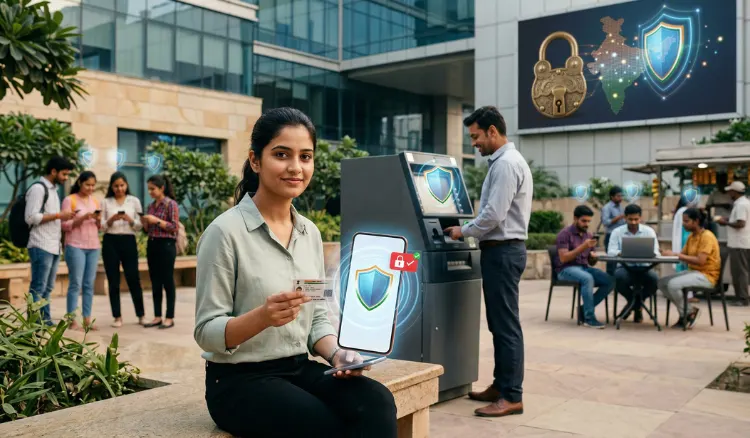
Picture your world if someone snuck into your phone or computer and grabbed your private photos, passwords, and bank details. Now imagine how you'd feel learning they got in because you missed something basic. That's what slips through the cracks without elite cybersecurity measures. Most of us aren't spies, but our info still matters. Here's how to guard it without freaking out or becoming a tech whiz.
What are Elite Cybersecurity Measures Anyway?
Think of these as your digital home alarm. They're not just password tipsthey're the solid habits, tools, and decisions that make hackers roll their eyes and move on.
- Strong, unique passwords
- Multi-factor authentication (MFA)
- Keeping software updated
- Regular data backups
- Recognizing phishing tricks
- Securing your Wi-Fi
- Limiting what you share online
Why Should I Care About Data Protection?
If someone trashes your stuff or steals your cash, you're upset. But if they swipe your digital life, it hurts in ways you don't see until it's bad: lost photos, drained bank accounts, or even family secrets posted online. Data protection isn't about paranoiait's about not making life easy for cyber crooks.
Do Strong Passwords Still Matter or Is That Old Advice?
Strong passwords are still king. Old, easy, or reused passwords are like leaving your front door wide open. Here's what works now:
- Use at least 12 characterssentences are great
- Mix in numbers, capitals, and symbols
- Don't reuse the same password everywhere
- Consider using a password manager
I used to think I'd never remember so many passwords. Turns out, one main password manager does 95% of the work. The biggest fail? Using your birthday or "password123"hackers try those first.
What's the Deal with Multi-Factor Authentication (MFA)?
MFA means you need two things to log inlike a password and a code sent to your phone. Even if someone guesses your password, they're stuck. It's like a double lock on your door.
Annoying? Maybe, but a few seconds can save you weeks of headaches. Start with your email, banks, and social accountsanywhere you really don't want strangers poking around. Skipping MFA is the digital version of leaving your keys under the mat.
How Does Updating Software Protect Me?
Updates aren't just about new featuresthey slam the door on hackers. Outdated apps or systems are maps for crooks; they know which holes to crawl through.
- Turn on automatic updates
- Restart your device after updates (don't ignore that nagging box)
- Update rarely used apps, too
I've seen small businesses lose days (and serious cash) because they didn't update a printer or router. If a hack feels random, it probably started with outdated software.
What's Involved in Regular Data Backups?
Backup means saving copies of your important info somewhere safe. Think of it as your digital insurance:
- Use an external hard drive or cloud backup
- Set it up once, then automate it
- Test your backupsmake sure you can access files
One time my laptop died before a big deadline. My backup made it a non-event. Skipping backups? That's rolling the dice. Data loss isn't "if" but "when".
Can I Really Spot Phishing or Is Everyone Tricked Eventually?
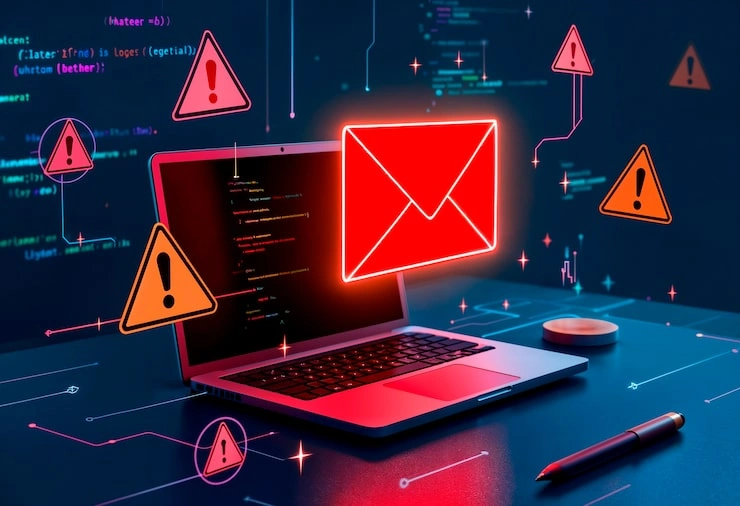
Phishing is when someone tries to trick you into giving up info by pretending to be someone you trust. It might look official, but something's usually off.
- Check sender emails closely
- Don't click weird linksgo straight to the real site instead
- Watch for misspellings, urgent threats, or requests for info
I almost fell for one about a "missed package". Stopped myself by googling the phone number. Gut feeling is underratedif something feels weird, it probably is.
How Do I Lock Down My Home Wi-Fi?
A wide-open Wi-Fi is like letting strangers in your house. Securing it isn't hard:
- Set a strong, unique password for Wi-Fi and your router
- Change the default network name (SSID)
- Use WPA3 encryption if available
- Don't share your Wi-Fi details with everyone
I've had neighbors try to "borrow" my Wi-Fi. After locking things down, those calls stopped. Networks are for people you trustnot random devices next door.
What's the Harm in Sharing Stuff Online?
Every detail you postbirthday, school, pet's namehelps a hacker build your profile. They use that for social engineering, which is a fancy way of saying, "tricking you with your own info".
- Think twice before posting personal details
- Check privacy settings on social accounts
- Remove old accounts you don't use
Someone once guessed my security questions using my kid's birth year from Facebook. Since then, I've gotten stingy with details. Less is definitely more.
Biggest Mistakes People Make with Information Security
- Thinking "It won't happen to me"
- Ignoring obvious warnings (pop-ups, weird emails)
- Sharing too much info with apps or strangers
- Forget to update or back up their stuff
Most hacks aren't high-tech. They're avoidable mistakes. Don't be the easy target.
Can Elite Cybersecurity Measures Stop Every Cyber Threat?
Nothing's perfect. But doing these things makes you way less attractive to hackers. It's like locking your doors and turning on the lights at nightmost troublemakers will go look elsewhere. The key is to stay consistent. One slip-up can undo a lot, so make these steps your new normal, not once-a-year chores.
Frequently Asked Questions
- 1. What's the quick way to check if my data's at risk?
Look out for signs like strange login alerts, unexpected messages, or devices running slowly. You can use free online tools to see if your emails were in a breach. If anything feels off, change passwords right away. - 2. Are password managers safe or can they get hacked too?
Password managers are much safer than trying to remember or write down dozens of passwords. Sure, no system is perfect, but they're built to protect your info. Use one with a good reputation and set a strong master password. - 3. How often should I back up my files for good data protection?
It's best to back up at least once a week. For school or work stuff, daily is even better. Set your computer or phone to do it automatically so you don't have to remember. - 4. What should I do if I get a phishing email?
Don't click on any links or reply. Delete it right away. If you accidentally click, change your password and run a virus check. Also let your bank or IT person know if money or work info might be at risk. - 5. How can I teach my kids about cybersecurity best practices?
Make rules simple: Don't share passwords, check before clicking on links, and never post personal info online. Use real-life examples so it sticks. Kids understand more than you think if you show them why it matters. - 6. Do I need special security protocols for my small business?
Yes. Even small businesses are targets. Set up strong passwords, use MFA, train your team on scams, update software, and back up your files. These steps aren't fancythey're what works to stay safe.
Start with one or two of these steps now and build from there. Every little change boosts your info securityno cape required.