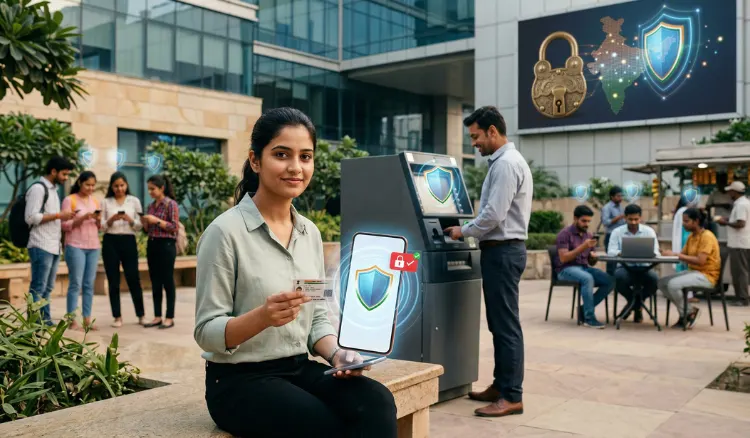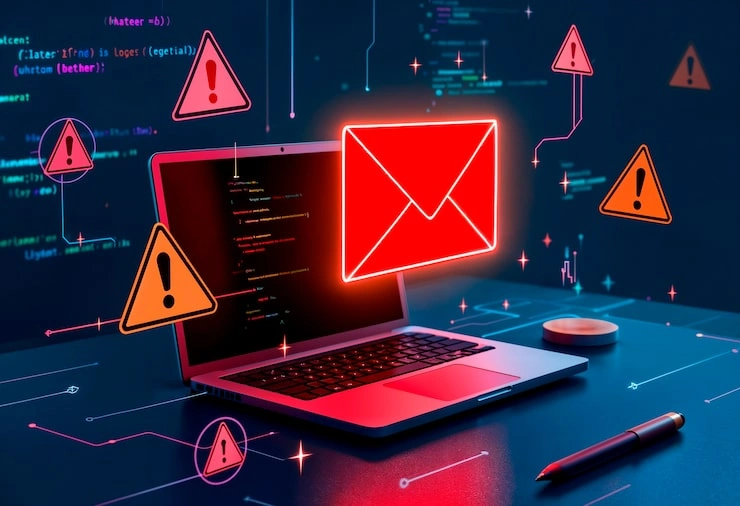
Your phone buzzes and it's another alert: someone tried logging into your email from another country. Annoying? Yes. But it's not rare. Hackers don't care if you're a business owner or just someone with a Netflix account. Everybody's a target. If you're tired of feeling like a deer in headlights every time you hear about a cyber attack, you're not alone. That's where real, no-nonsense cybersecurity best practices come in. Let's talk about the stuff that actually worksnot the stuffy advice that nobody follows.
Why Do You Even Need Cybersecurity Measures?
Seriouslywhy bother? Because you have more at risk than you think. It's not just about bank accounts. Think private messages, photos, work files, and even the silly notes you write to yourself. Once that's out, you can't put the toothpaste back in the tube. Cybercriminals love easy wins, and skipping simple safety steps is basically sending them an invite.
- Losing control of your online accounts means headaches, money loss, and stress.
- Data breaches can expose your personal info to the world.
- Businesses risk cash, reputation, and even shutdown if they skimp on security protocols.
Bottom line: everyone's got something to lose. Good cybersecurity measures give you a fighting chance.
What's the Deal with Strong Passwords? Do They Even Help?
Yes, they're a pain. But a weak password is like locking your front door with a twist-tie. Most hacks start because someone used "password123" or reused the same one everywhere. Strong passwords workif they're unique and hard to guess.
- Use at least 12 characters with a mix of letters, numbers, and symbols.
- Don't use real words or obvious combos (like your dog's name and birth year).
- Try a passphrase: a string of silly, random words only you would remember.
Tip: Password managers do the remembering for you. One master password, everything else is scrambled and safe. The first time you use one feels weird, but you'll be glad you did the next time a site gets breached.
Why Does Two-Factor Authentication Feel So Annoying?
It's extra work, sure. But it basically slams the door on most lazy attackers. Even if someone guesses your password, they still need your phone or security code. One more step, way less stress.
- Set up two-factor (2FA) everywhere you can. Email, banks, social mediado it.
- App-based codes (like Google Authenticator or Authy) are safer than text messages.
- Keep backup codes safe, but not in the same place as your passwords.
I used to skip this step until I got locked out of my email for three hours. Never again.
How Should You Deal with Suspicious Emails and Phishing?
If an email looks weird or asks for personal details, be suspicious. Phishing is a favorite trick. The goal? Trick you into handing over your info. Even pros get caught by smart fakes.
- Don't click on random links or open weird attachmentsespecially if you weren't expecting them.
- Double-check the sender's address. Look for typos or off-brand logos.
- If in doubt, type the website address yourself instead of clicking.
One time, I almost fell for an email pretending to be from my bank. The giveaway? The logo looked a little fuzzyand the sender's email ended with a sketchy domain.
What About Software Updates? Are They Really That Important?
Nobody loves those "Update Available" popups, but not updating is like leaving your doors unlocked. Updates patch up holes that hackers sneak through.
- Turn on automatic updates for your phone, computer, and apps.
- Don't ignore update warningsdo them the same day.
- Restart your devices after updating so the fixes go into effect.
Procrastinating on updates nearly cost me access to all my files once. A bug in old software nearly let malware in. Lesson learned.
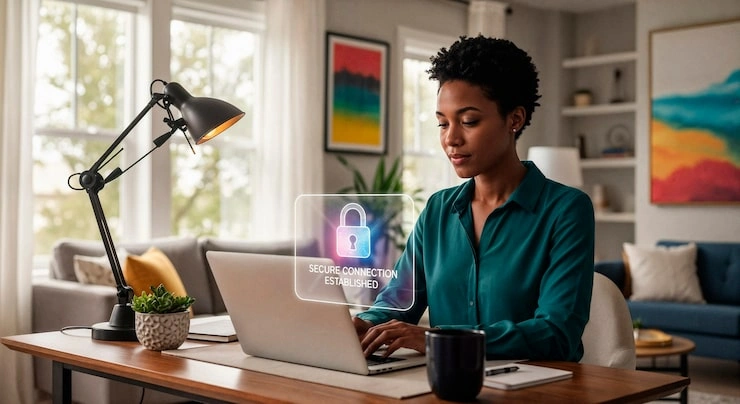
How Do You Keep Your Wi-Fi Secure?
Your home Wi-Fi is your digital front door. If it's open, anyone nearby could poke around your stuff. Securing it isn't complicated, but most people leave the default password from the sticker.
- Set a strong Wi-Fi password (different from your device logins).
- Change the default name (SSID) so it doesn't give away your brand or address.
- Turn on network encryptionWPA3 if available, WPA2 at minimum.
- Disable remote management if you don't use it.
When my neighbor's Wi-Fi popped up as "Smith Family Wi-Fi" with no password, it was hard not to warn them directly. Don't be that house.
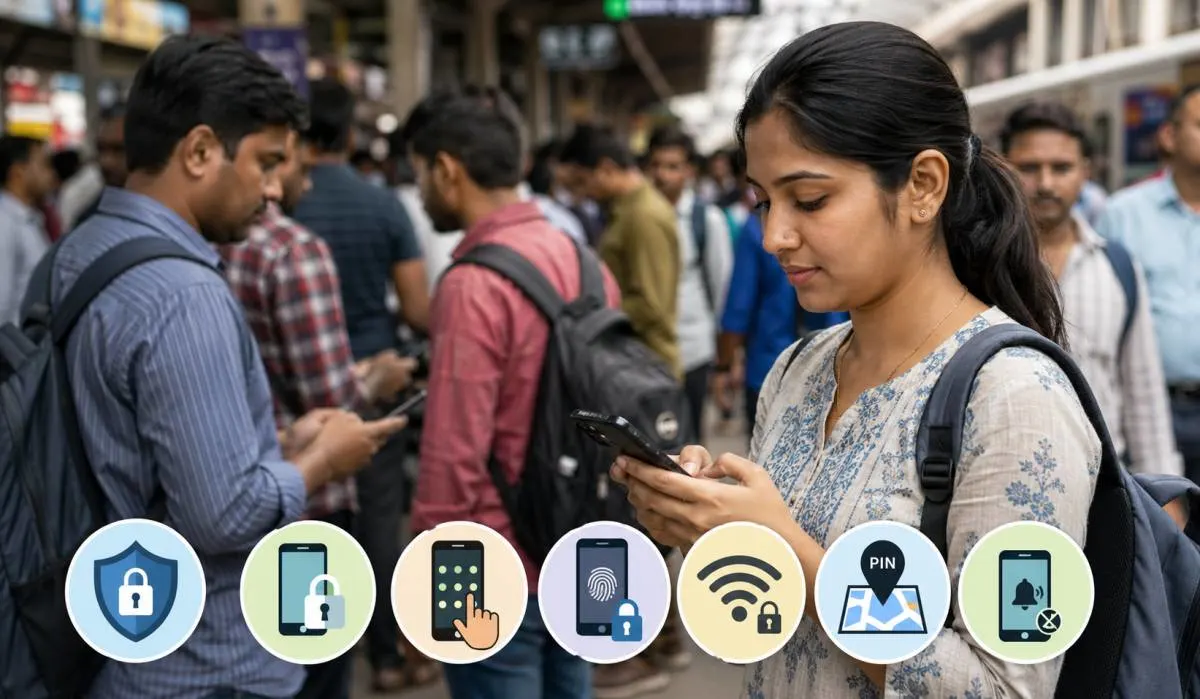
Should You Worry About Your Phone's Security?
Absolutely. Phones hold everything. They're basically pocket-sized computers that go with you everywhere, full of sensitive info. People forget they're targets too.
- Set a screen lock (PIN, fingerprint, or face ID).
- Stick to trusted app stores for downloads.
- Check app permissionsdoes a flashlight app need access to your contacts?
I once handed my phone to a friend, and they accidentally opened confidential work emails. Since then, I use an app lock for anything private.
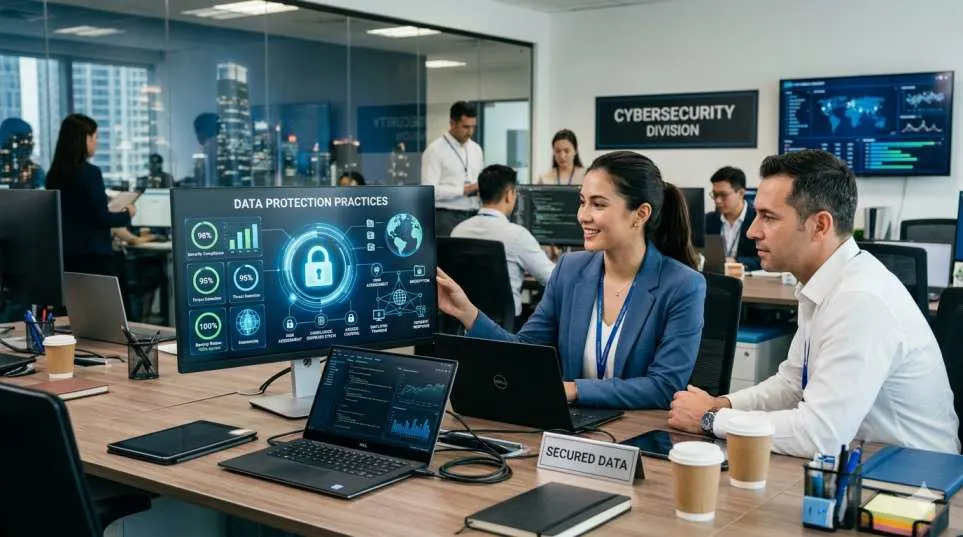
How Can You Protect Sensitive Data for Work?
Work files, client lists, and business secrets need more than luck. Protecting this stuff isn't just about keeping the boss happy; it's about keeping your job safe.
- Use encrypted storage or cloud services with strong security protocols.
- Back up important files somewhere safeoffline or in a trusted cloud.
- Don't share sensitive info over public Wi-Fi without a VPN.
I had a friend who lost a whole client database because their laptop got stolen and the files weren't backed up. Tough lesson.
What Are Common Information Security Mistakes?
- Writing passwords on sticky notes (even in code, it's not smart).
- Using the same password for multiple accounts.
- Ignoring security alerts or fake antivirus popups.
- Sharing logins with friends or coworkers.
Everyone slips up sometimes. What matters is learning from it, not beating yourself up.
Real-World Cybersecurity Best Practices: A Quick-Use List
- Make passwords unique and long.
- Turn on two-factor authentication.
- Be skeptical of emails and new downloads.
- Update software soon as possible.
- Lock down your Wi-Fi and phone.
- Back up files you can't afford to lose.
- Never share passwordsperiod.
No single move will make you invincible. But even taking a few steps gives you more protection than doing nothing.
Final Thoughts: Start Small, Build Up
You don't have to do everything at once. Pick one thing this weekchange a few passwords, set up two-factor authentication, or finally run that software update. Next week, add one more habit. Over time, these simple moves stack up and make you a much harder target. Hackers look for easy wins, not challenges.
FAQs
- What is the easiest cybersecurity measure I can start with?
Begin with using unique passwords for every account. It's simple, fast, and shuts down most basic hacking attempts. Even just fixing your top three most important accounts (email, bank, social) makes a huge difference. - How often should I update my passwords for better cyber protection?
Experts say every few months or after any security alert. But if your password gets leaked or you hear about a breach, change it right away, even if the site says nothing's wrong yet. - Can antivirus software stop all online threats?
No, but it catches a lot of common attacks like viruses and some malware. You still need to watch out for sneaky stuff like phishing emailsno software is perfect, but having antivirus is like locking your doors at night. - Is public Wi-Fi really that risky?
Yes. Public Wi-Fi can let strangers see your info if you're not careful. Never do baning or access sensitive data on public networks unless you use a VPN to hide your activity. - How do I know if my device's data security is strong enough?
If you're updating your software, using strong unique passwords, and have two-factor authentication turned on, you're ahead of most people. Run occasional security scans and check your privacy settings to stay on top of it. - Do small businesses need special security protocols?
Yes, even tiny businesses need solid rules to protect customer info and work files. Things like staff training, regular backups, and secure cloud services are key. Small businesses are often targets because hackers assume they're less protected.