Everyone's heard a story that starts the same way: someone clicked a link they shouldn't have, and now their whole life is upside down. It doesn't matter if you're running a business or just shopping online. What used to be a few obvious scams has exploded into all kinds of sneaky, tricky attacks. The old ways don't work anymore. The cybersecurity trends now are all about thinking aheadspotting traps before you even see them. Stick with me, and you'll know what to expect next, what to watch out for, and which easy moves actually protect you.
Why are cybersecurity trends changing so fast?
Every bit of our lives is onlinefrom banking to dating to homework. Hackers notice when new tech pops up, and they're fast. That's why today's tricks won't stop tomorrow's threats. The future of cybersecurity means always learning and updating, not just checking a box.
- New gadgets bring fresh weak spotsthink smart doorbells or fitness watches.
- AI tools can spot threats, but attackers use AI too.
- Remote work exploded, but so did risky home networks.
Bottom line: It never slows down. Staying safe means moving forward, not standing still.
1. Can you trust Artificial Intelligence in cybersecurity?
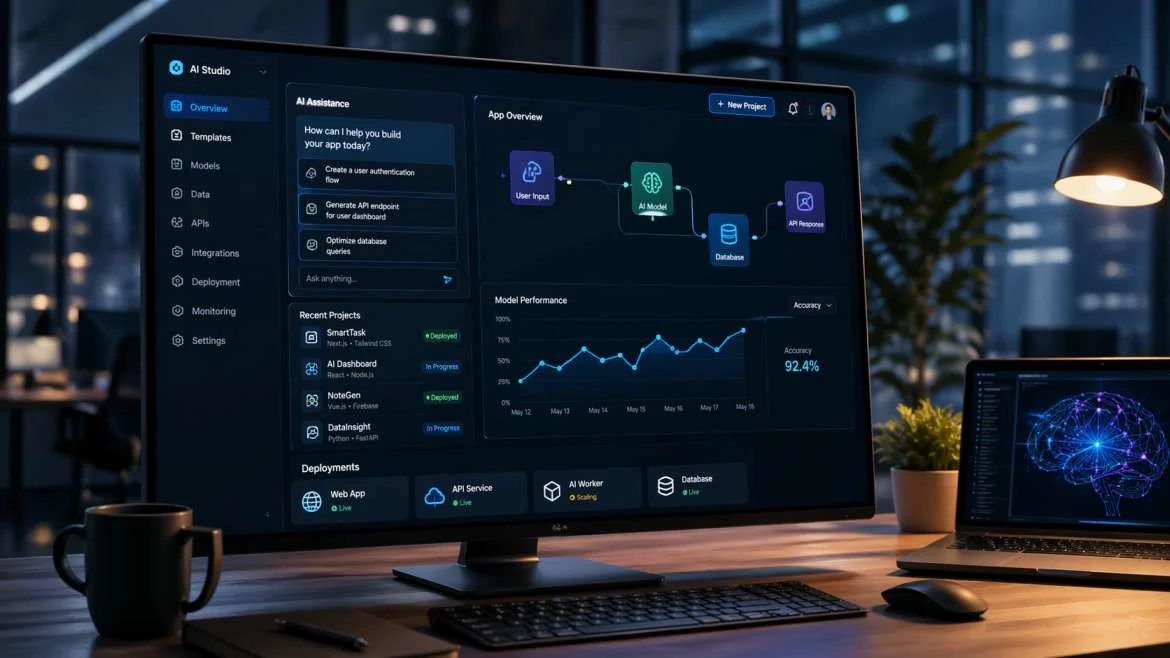
AI isn't just a sci-fi word anymore. Security teams use it to sniff out weird computer behavior fast. But here's the twist: hackers use it to find openings faster, too. It's a race. Imagine AI as a guard dog that also trains the thief on breaking in. So you have to keep updating how the dog works. That's why the latest cybersecurity technologies need both smart people and smart tools.
- Let AI spot patterns, but double-check with real humans.
- Don't believe every alert; some are false alarms.
- Train everyone to spot clever scams, since phishing fools AI sometimes.
AI mistake to avoid:
Trusting it to do all the work. You still need real people watching the alerts.
2. Is "Zero Trust" the new normal?
Zero Trust sounds dramatic, but it's simple: stop assuming anyone or anything is safe just because they're inside your network. Even if someone has a password, they still need extra proof. This way, if something's off, they won't get far.
- Give people only as much access as they needno more.
- Ask for second steps to sign in (like a code texted to your phone).
- Keep checking devices, even after they're inside.
What could go wrong? Not updating permissionsif someone changes roles but still has old access, that's a big gap.
3. How is remote work changing cybersecurity?
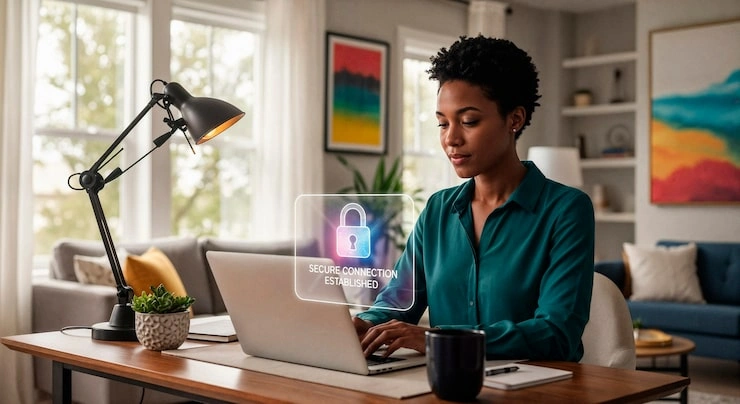
This one's personal for me: I started freelancing from my kitchen table and learned quick that home Wi-Fi is way less safe than office networks. Hackers know lots of us never change our router password from 'admin' or use the same password everywhere.
- Set strong, unique Wi-Fi passwords.
- Keep work devices separate from fun gadgets.
- Update software as soon as your device asks.
Skip these steps, and you're leaving the front door wide open.
4. Are passwords finally dying out?
Good news for everyone who can't remember their passwords: more places use things like fingerprint scans or face recognition. This is called passwordless security. It's easier for users and harder for hackers to break in.
- Use two-step sign-in whenever it's an option.
- Try apps that store and fill passwords for you (safer than sticky notes!).
- Don't recycle old passwords; it's an accident waiting to happen.
But heres the deal: if someone steals your phone, they could get in. Always lock it tight.
5. What are the top emerging cybersecurity threats?
Hackers keep getting trickier. The main threats now aren't just annoyingthey hijack your life.
- Ransomware: They lock your files, then demand money to unlock them.
- Phishing: Fake emails that look real, asking for your info.
- Deepfakes: Fake videos or audio made with AI to fool you (like a boss 'asking' for money).
Here's a mistake: Thinking it won't happen to you. Most victims thought the same until it did.
6. How important is updating your software?
Its tempting to hit 'remind me later' on updates, but those often patch huge holes hackers love. Its like driving with a cracked windshieldmaybe nothing happens, maybe it shatters.
- Set devices to update automatically.
- Restart gadgets so updates finish installing.
- Avoid sketchy websites and downloads.
Delaying updates gives attackers extra time. That few minutes could save you hours fixing a mess later.
7. Is your personal data the new gold?
Every time you sign up for something, you share your data. That infobirthdays, addresses, secretsis super valuable to hackers and advertisers.
- Give out the least amount of info possible.
- Review what apps can see or use on your phone.
- Clear out accounts you don't use anymore.
Be pickyif an app wants your birthday for no real reason, skip it.
8. What works best to stay safe online?
There's no magic trick, but a combo of smart moves works best.
- Turn on two-step sign-in everywhere you can.
- Update passwords (or use a manager).
- Never share private info with anyone who contacts you unexpectedly.
- Check for updates and install them ASAP.
It's all about layerseach one makes it harder for attackers to get in.
Takeaway: The future of cybersecurity starts with small daily habits
Most security threats dont show up as a blinking warning. They sneak in because we trust too easily or skip an update. Start simple: lock your screens, update your stuff, and double-check emails that seem weird. Nobodys perfect, but a little extra effort now saves a ton of trouble later. Stay alert, try these moves, and youll stay ahead of most attackers.
Frequently Asked Questions
- What are the most common cybersecurity threats right now?
Phishing (fake emails or texts), ransomware (holding your files for money), and malware (harmful software) are everywhere. Hackers use these to steal data or cash. Not clicking unknown links and updating your devices help a lot. - Can strong passwords really stop hackers?
Yes, strong and unique passwords make it way harder for hackers. The trick is not repeating passwords across sites. Even better is using a password manager so you don't have to remember them all. - Is using public Wi-Fi safe for banking or shopping?
Usually, no. Hackers can snoop on public Wi-Fi and grab your info. If you must use it, avoid entering private details, and always log out when you're done. Using mobile data is often safer if you have the option. - How does artificial intelligence help with cybersecurity?
AI helps spot weird patterns super quickly, like if someone logs in from a new place or acts odd online. But it's not perfect. Hackers try to trick AI, so it's best as a helpernot the main guard. - What should I do if I think my information was stolen?
Change your passwords fast, tell your bank if money's involved, and watch for weird activity. Many companies also help with extra security steps if you tell them about the problem quickly. - Are updates really needed for all my devices?
Yes. Updates often close gaps hackers use to get in. It's best to let your phone, tablet, or computer update as soon as possibleeven if it means waiting a few minutes.