Ever had your phone buzz at 2am with a weird login alert? Or seen a text from your bank that made your heart sink? You're not alone. The speed at which hackers find new ways in is wild. Here's the deal: understanding today's cybersecurity trends keeps you one step ahead. You'll learn the latest threats, the tech that helps fight them, and simple actions you can actually stick to.
What's Changing with Cybersecurity Right Now?
Tech never sits still. But cybersecurity moves even faster because, honestly, the bad guys don't take breaks. So, what are the latest cybersecurity trends shaking things up?
- AI-powered attacks: Hackers now use artificial intelligence to test systems and mimic real users. That means threats can show up faster and look more real than ever.
- Ransomware is still king: Those attacks where files get locked until you pay? They're not going away and keep getting sneakier.
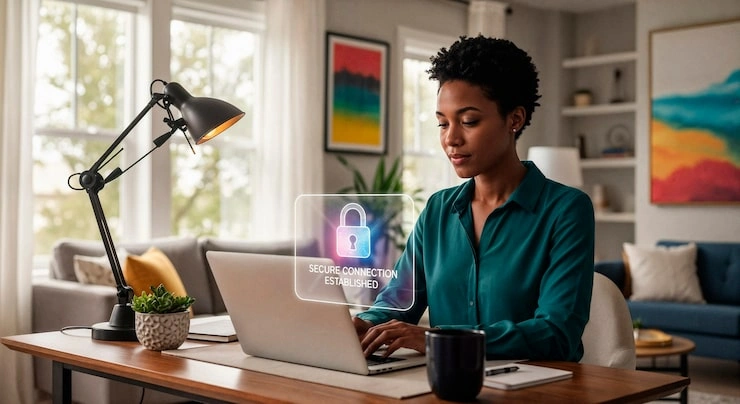
- Remote work = more risk: With so many people working from everywhere, weak Wi-Fi and old devices become easy targets.
- Cloud headaches: Moving stuff to the cloud is popular, but it opens doors to new security issues (especially if you skip steps or rush).
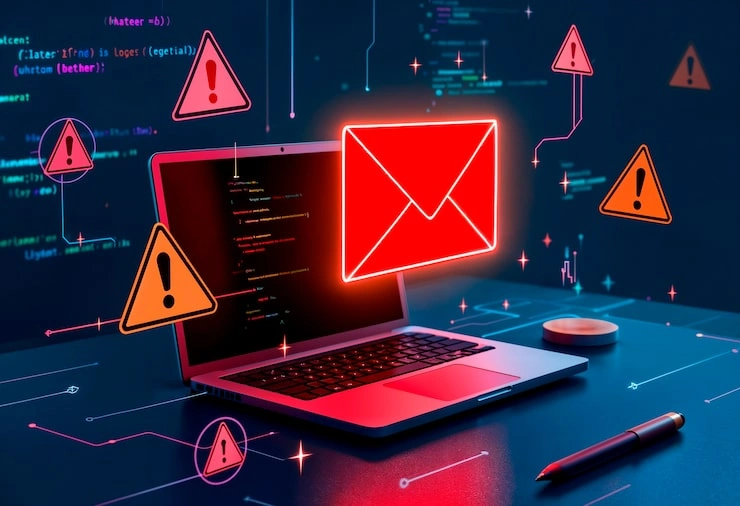
- Phishing with a twist: Scam emails have better grammar and design. They're tough to spot, even for tech pros.
Each of these trends matters because they hit your real life: your emails, your photos, your job info. Staying aware means less stress and fewer messes to clean up later.
Why Are Emerging Cybersecurity Threats So Hard to Spot?
You might think you'll always know when something is off. But that weird link or fake login page? It can look totally legit. Here's why catching threats is tougher now:
- Social engineering: Hackers study people. They'll use info from socials or past leaks to trick you in ways you don't expect.
- Zero-day flaws: These are bugs in systems that no one's found yet (not even the company who made the software). Hackers love them.
- Deepfakes and voice fakes: Bad actors can now fake voices or even videos, making phone scams way more believable.
Missing these new threats isn't about being careless. It's about the tech getting so good that even experts get fooled. It pays to double-check before clicking.
How Does Cybersecurity Technology Keep Up?
Good news: while attackers evolve, so does cybersecurity technology. Here are some of the tools and ideas that help fight back:
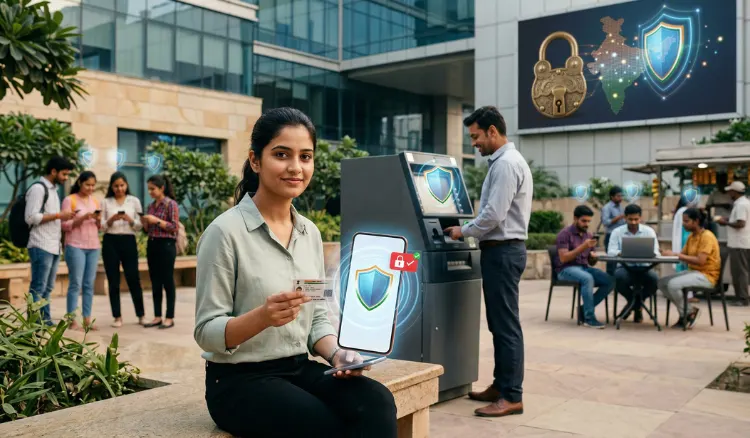
- Multi-factor authentication (MFA): More sites make you use a text, app, or token along with your password. Annoying? Sometimes. But totally worth it.
- Security built into chips: Modern phones and laptops store keys and logins on hardware, not just software.
- Automatic software updates: Devices now push security fixes faster, often without you noticing.
- Behavior monitoring: Some systems spot weird activity (like logging in from a new city) and freeze things instantly.
Its a game of cat and mouse, but staying updated helps you dodge most common attacks.
What Works: Down-to-Earth Cybersecurity Best Practices
You dont have to turn into a hacker hunter. But ignoring basic security is like leaving your car unlocked in a busy lot. Heres what works for real people:
- Dont reuse passwords. Yeah, its a hassle. Use a password manager (or at least a notebook, but hide it).
- Turn on MFA wherever you can. Yes, every time.
- Update devices and apps as soon as you see that pop-up.
- Double-check emails before clicking; the sender name isnt proof.
- Talk about security habits at work and at home. A quick chat now beats hours cleaning up later.
Messing up is normal (we all have). The key? Make fixes as soon as you spot them. Dont wait.
What Happens If You Ignore the Tech Industry Security Basics?
Most people assume, 'Why would anyone target me?' But these attacks aren't personal. They're automated, quick, and hit everyone from students to CEOs. If you slack on security, here's what could go south:
- Your stuff gets held for ransom (files, family photos, you name it).
- Your passwords leak and weird charges pop up on your card.
- Peace of mind disappears whenever your phone buzzes.
- For businesses: loss of trust, lost customers, and lots of paperwork.
Staying on top of tech industry security doesnt guarantee safety, but it makes you a less appealing target. Most hackers go for the easy ones.
Real Talk: Common Cybersecurity Mistakes and How to Fix Them
- Ignoring updates because you're busy (they close holes fast; set devices to auto-update).
- Thinking 'it wont happen to me' (most victims thought the same).
- Sharing too much on social media (can help scammers guess your passwords or security questions).
- Skipping backups (a simple backup can rescue you after a ransomware attack).
If you see yourself here, don't stress every correction makes you safer.
FAQ: Your Top Cybersecurity Trends Questions Answered
- What is the biggest cybersecurity threat in 2025?
The biggest threat is still ransomware. Hackers lock up your files and demand money to give them back. It's growing fast because even small businesses and regular people are now targets. Saving your files and using strong passwords helps block most attacks. - How can I spot a phishing scam with new tricks?
Check links before clicking, look for weird spelling, and dont trust emails asking for quick action. New phishing tries to look real, but usually something is off (a logo, a greeting, or the senders email address). When in doubt, ask someone or search for similar scams online. - What's new in cybersecurity technology this year?
AI is being used both by hackers and defenders. Automatic updates, apps that spot weird behavior, and safer cloud storage are now more common. The focus is on spotting attacks quicker and fixing them before they spread. - Do small businesses need to worry about these trends?
Yes, even more than before. Hackers go after whoever is easiest. Small shops often skip security steps, so theyre easy targets. Turning on multi-factor authentication and doing quick staff training makes a big difference. - What are three easy things I can do right now to stay safe?
Change any repeated passwords. Turn on two-factor login everywhere you can. Set your phone and computer to update automatically. These steps cut your risk more than anything fancy you could buy. - How often should I talk about cybersecurity at work or home?
At least every few months, or after you hear about a new threat. Cybersecurity is always changing, so checking in often keeps everyone safer. Even a quick conversation about a new scam helps.
Bottom line: You dont need to be a tech genius to keep up with cybersecurity trends. Do small things well and dont ignore those weird alerts. Over time, it gets easier. Youve got this.