Ever felt like hackers are lurking everywhere online, just waiting for you to slip up? You're not alone. Everyone from college students to CEOs worries about staying safe these days. The good news? Cybersecurity strategies don't have to be impossible to understand, and you don't need to be a genius to use them well. Drawing from the secrets shared by real cybersecurity pioneers, we'll break down what really works, what doesn't, and how you can protect yourself (and your business) without losing sleep or emptying your bank account.
What's a Good Cybersecurity Strategy, Really?
Let's keep it simple: a cybersecurity strategy is your game plan for staying safe online. It's like locking your doors at home, but for your computer, phone, and accounts. The point is to keep hackers, scammers, and nosy strangers out of your digital life.
- Protects your data and privacy
- Stops threats before they cause chaos
- Gives you peace of mind instead of constant worry
How Do Cybersecurity Pioneers Pick What Works?
The experts who've spent decades fighting cyber threats agree: the flashiest tools usually aren't the answer. Instead, they focus on what actually works. Their secrets come straight from messy real life, like someone opening a sketchy email or using the same password for everything. They've learned to spot risks fast, fix holes in their defenses, and share what they know in plain language. Some things they've seen work over and over:
- Updating software (seriously, stop hitting "later")
- Making passwords long, weird, and different for every account
- Setting up two-step logins (you know, codes sent to your phone)
- Not sharing too much info online (hackers love social media oversharing)
- Backing up important files frequently
What Are the Must-Know Cybersecurity Best Practices?
Getting your online life in order takes a bit of effort. The good news? The most important steps don't cost a dime. Here's what experts from every big security strategy report agree on:
- Update Everything - Old software is like leaving your front door unlocked.
- Password Smarts - Use long, unique passwords for every account and write them down somewhere safe (or use a password manager).
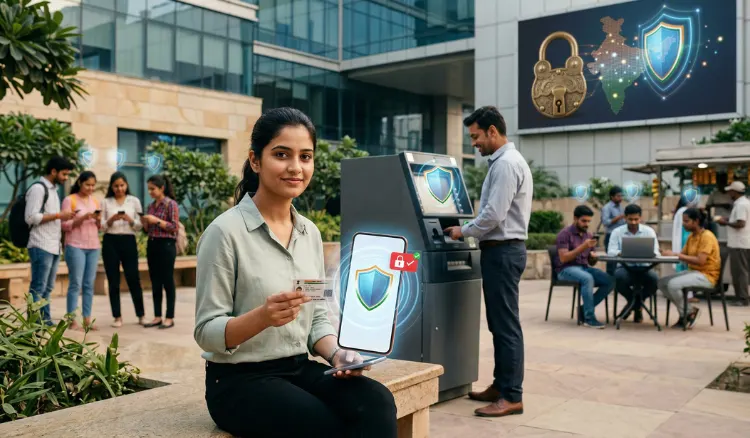
- Multi-Factor Authentication (MFA) - Yes, those annoying codes protect you from most common attacks.
- Spotting Phishing - If you don't recognize the sender, don't click suspicious links or open attachments.
- Backups Matter - Keep copies of your files on an external drive or the cloud, so you're not toast if hacked.
- Secure Your Wi-Fi - Use a strong password and change the one your router came with.
If you skip even one, you risk being an easy target. And these aren't "nice-to-haves." They're proven shields against the attacks that get most people.
Real Mistakes Even Smart People Make Online
No one's perfect. Cybersecurity pioneers see the same slip-ups again and again, even from smart, tech-savvy people. Here are the classics:
- Using "password123" or letting browsers auto-fill everything
- Ignoring software update pop-ups (don't let it sit for days)
- Reusing the same login for lots of sites
- Clicking on links that just "feel off" (trust your gut!)
- Bragging about personal info or big purchases online
Why does this happen? Because we're always in a rush, and good habits are easy to forget. The fix is to make security second nature, like buckling your seatbelt. Set up reminders if you have to.
What Can Go Wrong If You Ignore Cybersecurity?
Sure, skipping security steps feels fineuntil it isn't. Heres what real people faced when they got lazy:
- A high school kid lost all her college essays to ransomware
- A plumber had his bank drained after using "plumber1" as a password everywhere
- A local bakery's Instagram got hacked and used for scams
It always seems like "this won't happen to me"until it does. The hassle, lost money, and embarrassment aren't worth it. Solid cybersecurity strategies help you avoid the mess in the first place.
How Do You Pick the Right Cybersecurity Approach?
There's no "one-size-fits-all" answer, but the best Information security techniques share the same basics. Ask yourself:
- What data do I care most about? (Photos? Business stuff? Emails?)
- Who might want it, and why?
- How easy do I want my security to be? (Balancing safety with convenience is key)
Start with the easy wins: updates, strong passwords, and MFA. If you're protecting a business, add in regular staff training and set clear rules for file sharing and remote work. Don't be scared to get help if something sounds confusingsecurity pros are used to questions!
What Are Pro-Level Cyber Threat Prevention Tips?
Want to go beyond the basics? Heres what the pros do in their own lives:
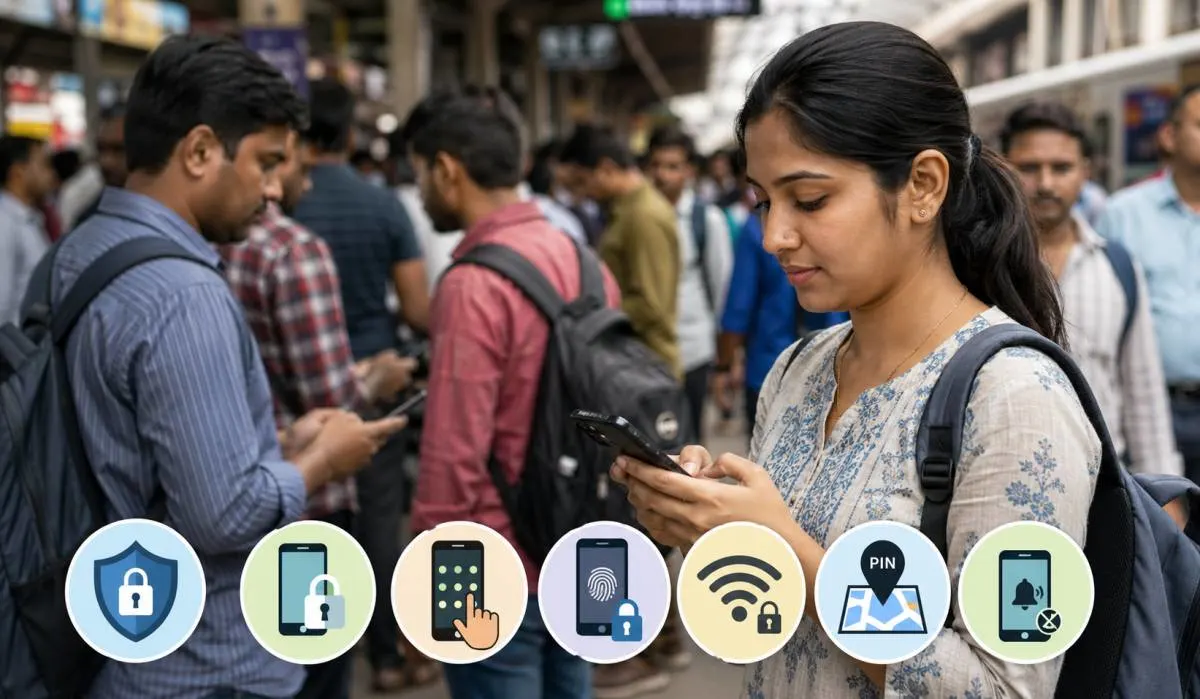
- Use a password manager to generate and remember strong passwords
- Check privacy settings on every new app or device
- Cover your webcam when not in use
- Set up alerts for weird account activity
- Disable Bluetooth and Wi-Fi when you dont need them
Surprised? Even little steps close doors that hackers could sneak through. You dont need fancy gearjust a little awareness and common sense.
What Should You Never Overlook in a Security Strategy Report?
The best reports share real stories, not just theory. Checklists are fine, but stories stick with you. When you read "security strategy report" findings, look for:
- Examples of actual attacks and how they were handled
- Simple steps that real people have used (and that you can copy easily)
- Honest talk about what didnt work and why
If a report sounds like a robot wrote it, skip it. The most useful insights come from people who've fixed real problems, not just read about them.
Takeaways and Your Next Step
You dont need to become a cybersecurity expert overnight. Start by locking down your basics and making them a habit. Little stepslike updates, strong passwords, and pausing before clicking linksadd up fast. Get help if you need it; nobody figures this out alone. The info in this article is here to help, not scare you. Steal these strategies from the pioneers and youll sleep better knowing your online life is just a little safer.
FAQ
- What are the most common cyber attacks on small businesses?
Phishing emails, weak passwords, and outdated software are the top ways hackers break into small businesses. They send fake emails that look real, guess easy passwords, or find old programs with holes. Stay safe by using strong passwords, keeping software up to date, and being careful with unknown emails. - Are strong passwords really enough for cybersecurity?
Strong passwords help a lot, but they're not foolproof. It's like locking your dooryou still need a good lock, but extra steps (like two-step logins) make you even safer. Use both, and you're way harder to hack. - How do I know if someone is trying to hack me?
If you get weird emails or messages asking for info, or see logins from places you've never been, someone may be trying to hack you. Keep an eye on alerts from your apps and trust your gut if something feels off. - Why do cybersecurity pioneers warn about public Wi-Fi?
Public Wi-Fi, like at coffee shops or airports, is risky because others on the network can sometimes see what you're doing. Hackers hang out on these networks hoping someone logs into something important. If you must use it, avoid logging into banks or sensitive accounts. - Is it safe to use the same password for everything if it's strong?
Nope! Even if a password is super strong, using it everywhere means if one site gets hacked, all your accounts are at risk. Always use different passwords for each account to stay safe. - What should I do first to boost my cybersecurity?
Start simple: update your devices, set up two-step logins, and change important passwords to something unique. These three steps stop most basic attacks before they even start.