Traveling is one of life’s greatest joys, but it can also be expensive—especially when you’re dreaming of exploring new cities, countries, and cultures. However, budget travel planning doesn’t mean you have to settle for less. With a little creativity and some smart strategies, you can experience incredible destinations without emptying your wallet.
Whether you're planning a weekend getaway or a month-long adventure, the key to successful budget travel is careful planning. In this blog, we’ll guide you through simple and effective tips on how to plan a budget-friendly trip, from finding cheap flights to staying on track with your spending while you travel.
1. Start with a Realistic Travel Budget
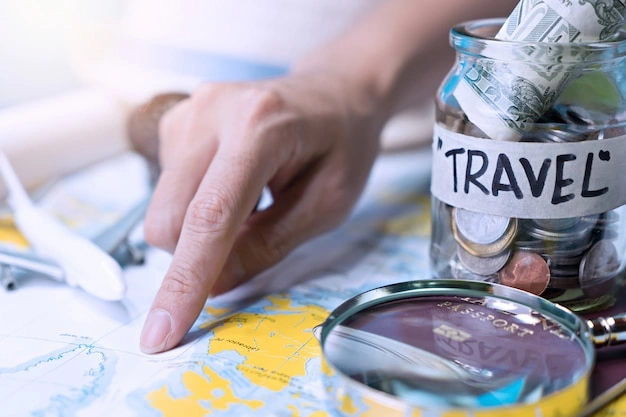
The first step in budget travel planning is determining how much you can realistically spend. Setting a budget gives you a clear idea of your financial limits and helps prioritize your trip expenses.
How to Set Your Budget:
-
Accommodation: Decide on how much you’re willing to spend per night. Consider hostels, guesthouses, or Airbnb instead of expensive hotels. If you’re traveling with a friend, sharing a room can help you save even more.
-
Flights/Transport: Look for cheap flights by using price comparison websites like Skyscanner, Google Flights, or Momondo. If you're traveling within a region, buses and trains may be cheaper than flying.
-
Food and Activities: Budget for meals, sightseeing, and activities. You can save on food by eating at local markets, street food stalls, or preparing meals if your accommodation allows it. Many destinations offer free or low-cost activities, such as hiking, free museum days, and walking tours.
2. Find Affordable Flights
Flights can be one of the largest expenses when traveling, but there are plenty of ways to find affordable options:
Tips for Finding Cheap Flights:
-
Book in Advance: Flight prices tend to rise as the departure date gets closer. Aim to book your flight at least 6-8 weeks in advance for the best prices.
-
Use Fare Comparison Websites: Use websites like Skyscanner, Google Flights, and Kayak to compare prices across different airlines and booking platforms.
-
Flexible Dates: If your travel dates are flexible, you’ll have more chances to find cheaper flights. Many websites allow you to search for flights within a specific date range or offer price alerts.
-
Consider Budget Airlines: Airlines like Ryanair, EasyJet, and Southwest often offer cheaper flights, though be mindful of extra baggage fees or other costs.
-
Fly Midweek: Flights are often cheaper on weekdays, particularly on Tuesdays and Wednesdays, so try to schedule your departure for these days.
3. Choose Budget-Friendly Destinations
Some destinations are naturally more affordable than others. If you’re trying to travel on a budget, researching destinations where your money will go further is a smart strategy.
Affordable Travel Destinations:
-
Southeast Asia: Countries like Thailand, Vietnam, and Cambodia offer beautiful landscapes, rich culture, and delicious food for a fraction of the cost of Western destinations.
-
Eastern Europe: Cities like Budapest, Krakow, and Bucharest provide historical charm, beautiful architecture, and low-cost living.
-
Central and South America: Countries like Mexico, Guatemala, Colombia, and Peru offer budget-friendly travel experiences, especially in terms of food and accommodation.
-
Southern USA: Cities like New Orleans, Austin, and Nashville are often cheaper than coastal cities like New York or Los Angeles, offering unique cultural experiences.
By picking destinations where your currency goes further, you can stretch your budget and make the most of your trip.
4. Stay in Budget Accommodations
Accommodation can easily eat up a large portion of your travel budget. Fortunately, there are plenty of options for budget travel that don’t sacrifice comfort or quality.
Affordable Accommodation Options:
-
Hostels: Great for solo travelers or those on a tight budget, hostels offer dormitory-style rooms and often provide communal kitchens so you can cook your own meals.
-
Airbnb: Renting a room or an entire apartment can be a cost-effective choice, especially for longer stays. You can also find properties with kitchens to save on food costs.
-
Couchsurfing: This free service connects travelers with locals who are willing to offer a free place to stay. It’s also a great way to meet locals and experience a destination from their perspective.
-
Guesthouses or Motels: These smaller, family-run accommodations are often more affordable than larger hotels but can still offer a cozy atmosphere.
5. Save on Food and Drink
One of the best ways to stick to your budget while traveling is to be strategic about your food choices. Dining out at every meal can quickly add up, but there are plenty of ways to save.
Money-Saving Food Tips:
-
Street Food: In many countries, street food is not only delicious but also affordable. You’ll find fresh, tasty meals for a fraction of the price you’d pay at restaurants.
-
Cook Your Own Meals: If your accommodation has a kitchen, take advantage of it by cooking your own meals. Shopping at local markets for fresh produce can save you money and provide a fun cultural experience.
-
Eat Like a Local: Avoid touristy restaurants and look for spots where locals eat. These places often offer authentic dishes at much lower prices.
-
Take Advantage of Free Breakfasts: Many hostels and budget accommodations offer free breakfast. Fill up in the morning so you can skip a more expensive meal later in the day.
6. Plan Free or Low-Cost Activities
One of the best parts about budget travel planning is discovering that you don’t have to spend a lot of money to have an amazing experience. Many destinations offer free or inexpensive activities that allow you to enjoy the culture and scenery without breaking the bank.
Free or Low-Cost Activities to Try:
-
Walking Tours: Many cities offer free or donation-based walking tours, which are a fantastic way to learn about the history and culture of a place.
-
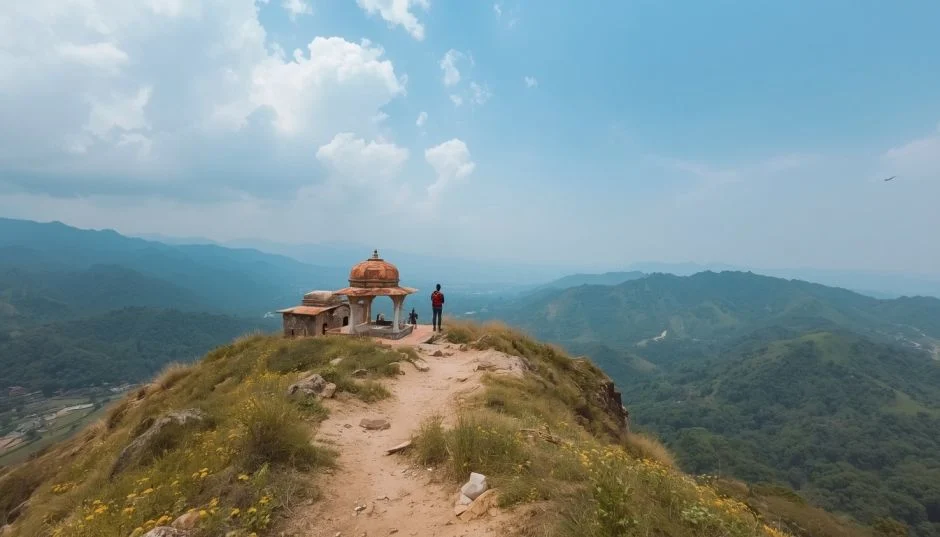
Nature Hikes: Whether it’s a national park, beach, or mountain trail, outdoor adventures like hiking and sightseeing are often free and provide stunning views.
-
Museums: Many museums offer free entry on certain days of the week or discounted tickets for students or young travelers.
-
Beaches and Parks: Spending time at a local beach or park can be a wonderful way to relax and soak up the surroundings without spending money.
7. Track Your Expenses and Stick to Your Budget
It’s easy to get carried away when traveling, but it’s essential to stick to your budget to avoid overspending. Here are a few ways to keep track of your expenses:
-
Use Budgeting Apps: Apps like Trail Wallet, Mint, or Expensify can help you track your daily spending and stay on top of your budget while traveling.
-
Cash vs. Cards: Carry a small amount of local currency for small expenses but use credit or debit cards for larger purchases to avoid carrying too much cash.
-
Daily Spending Limits: Set a daily spending limit for yourself to keep your budget on track and avoid overspending on activities, food, or shopping.
8. Be Flexible and Open to Deals
Flexibility is one of the keys to successful budget travel planning. Being open to last-minute deals, changes in your itinerary, or alternative accommodations can help you save a lot of money.
Tips for Flexibility:
-
Look for Last-Minute Deals: If you have a flexible schedule, you can often find last-minute deals on flights, accommodation, and activities.
-
Use Travel Deal Websites: Websites like Groupon, Travelzoo, or Skyscanner often feature discounts on travel packages, activities, and experiences.
Conclusion: Travel More, Spend Less
Budget travel planning doesn’t have to mean sacrificing comfort or experiences. With a little planning, flexibility, and smart strategies, you can travel the world without breaking the bank. The key is to prioritize your spending, find cost-effective options for flights, accommodation, and food, and take advantage of free activities to get the most out of your trip.
Remember, the most memorable travel experiences aren’t always the most expensive ones—they often come from exploring a new place, meeting new people, and immersing yourself in a different culture. So, start planning your next adventure on a budget today and get ready to explore the world affordably!