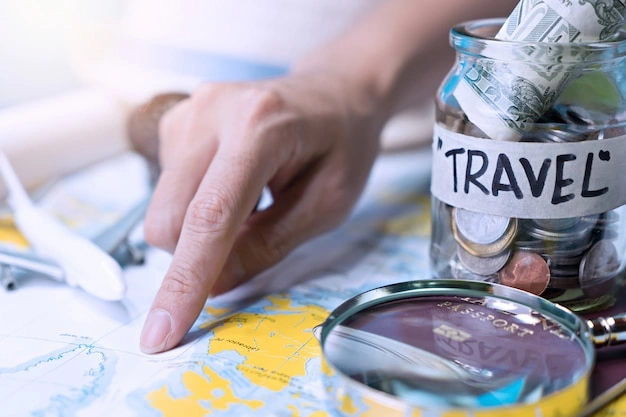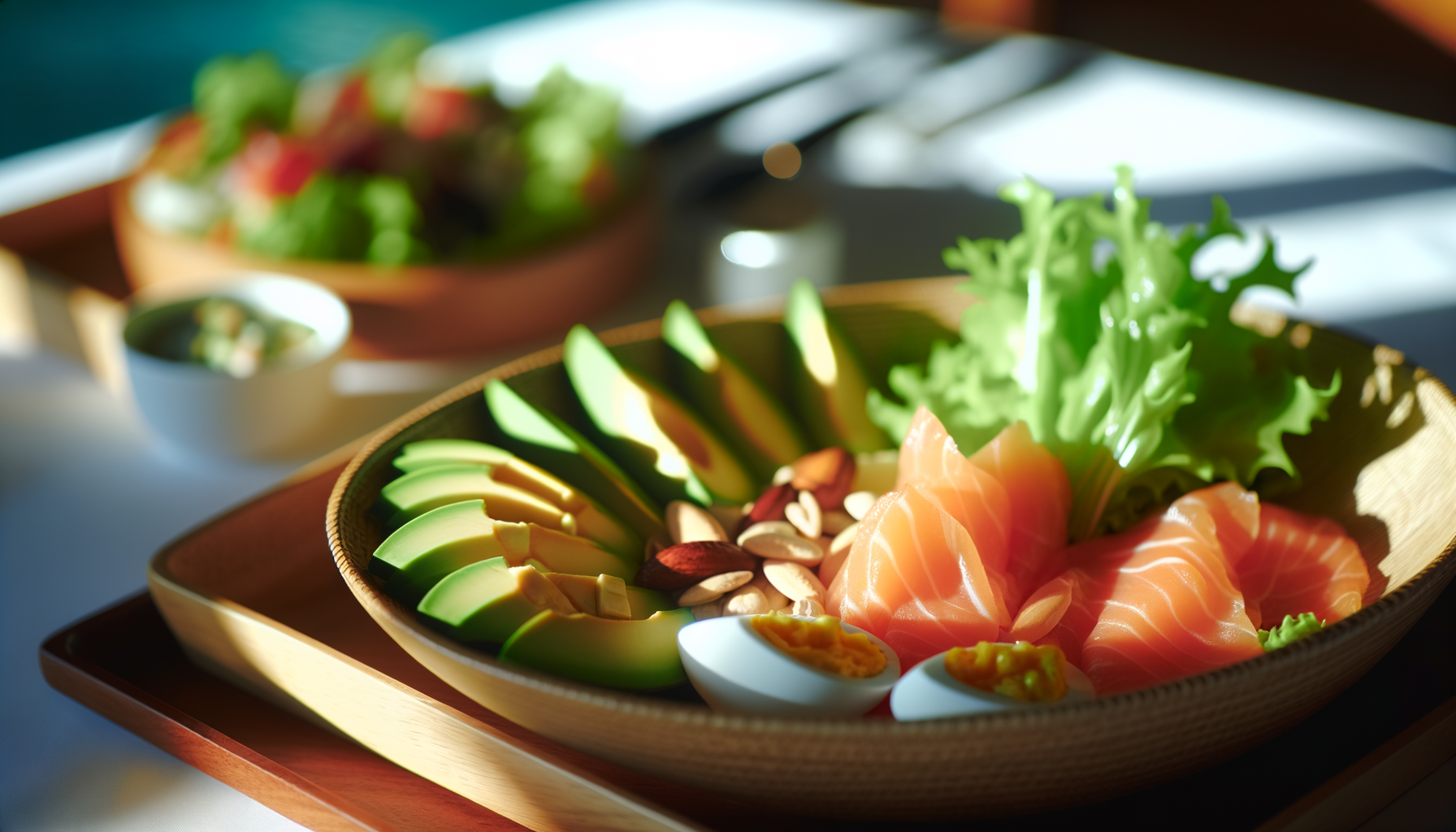
Ever booked a trip mainly because you couldn't stop dreaming about fresh pasta in Italy or spicy street food in Thailand? You're not the only one. Culinary tourism marketing is why food and travel now go hand in hand. If you've got a restaurant, run a small food tour, or manage an entire town's visitor board, knowing how to hook people with food is your not-so-secret weapon.
What is culinary tourism marketing?
This is about showing people why tasting their way through your city or country matters just as much as seeing the main sights. It's inviting travelers to connect with local culture, not just by snapping photos, but by eating, cooking, and sharing stories around the table. Good culinary tourism marketing makes people remember your place for more than the viewsit makes them crave a return visit.
- Spotlights food traditions locals love
- Celebrates hidden gems, not just famous restaurants
- Turns every meal into part of the adventure
When a campaign hits right, travelers talk about your food as much as your landmarks.
Why does food hook travelers?
Food is feeling. It's comfort, excitement, surprise, and sometimes a story from someone you'll never forget. Everyone eats, but not everyone has tried hand-pulled noodles or cheese made by a fifth-generation farmer. Food-focused tourism sticks because flavors help people remember a place. It gives them something to brag about, too. Plus, friends trust food stories.
- First bite is a memory-maker
- Sharing meals builds connections
- People love 'discovering' dishes before they go mainstream
So, when you tell a story with food, travelers don't just visitthey join in.
How do you build a great food tourism strategy?
You don't have to reinvent the wheel. Start with what locals love. Take your best-known dish or an offbeat food spot and use real storiespeople want to know whos behind the counter. Next, think about what visitors truly want. Is it hands-on classes? Food trails? Quirky markets for snacks? Choose two or three ideas and test them.
- Feature real cooks and makers, not just polished chefs
- Show behind-the-sceneshow is the sausage (literally) made?
- Bundle food with easy adventures (bike rides, walks, or even farm visits)
- Let travelers taste before they buy (samples, mini-tours, pop-up tastings)
Don't make it stifffood is supposed to be fun. Got a dish that's always spilling or tough to eat? Show it. People appreciate honesty and stories that make them laugh.
Common mistakes with food tourism strategies
- Pushing trends that don't match your place (do locals even eat that?)
- Ignoring what travelers ask in reviews and questions
- Boring photosno one's excited by bland soup close-ups
- Forgetting to involve real people in your story
Stay true to what makes your food scene special. Even if you think it's 'too simple,' locals' comfort food often beats fancy dishes in traveler reviews.
How does gastronomic travel promotion work?
This just means getting your food story out there, but without shouting. A smart gastronomic travel promotion makes food feel like an invitation. Think teaser videos, stories about a chef's childhood recipe, or quick interviews at the morning market.
- Share surprising facts (like where a dish was invented or weird ingredients)
- Highlight peoplechefs, bakers, farmers, even beekeepers
- Make it bite-sized for social media (short clips, fun challenges, photo contests)
Travelers want 'moments,' not ads. Show them a family recipe challenge or the chaos behind a festival food stall, and they're more likely to book.
What could go wrong?
- Overpromisingif your best dish is pizza, say it's the best pizza around, not the world's best food
- Ignoring feedbackif people say a tour runs too long or is hard to find, fix it
- Poor communicationdon't let hungry travelers get lost trying to find lunch
The best promotions leave travelers happy, full, and talking about your place long after they've left.
What makes food-focused tourism work?
This is about making eating part of the adventure. Most travelers are looking for more than foodthey want to cook, laugh, and swap stories, even with strangers. Give them options. Do you offer classes? Late-night tastings? Can foodies take something home (like a spice mix or recipe)? Mix experiences, not just meals.
- Encourage minglingshared tables, family-style meals, cooking together
- Offer a takeawayrecipes, shopping lists, or a local treat to pack
- Capture the journeylet guests take photos, record cooking steps, or keep a food journal
If you help them make new friends or memories, they'll rave about you long after dessert.
Tips from food travelers who've been there
- The best food sometimes comes from carts or back alleysdon't overlook them
- Ask locals where they'd eat on their day off, then send visitors there
- Small surprises (free dessert, souvenir recipe) stick in people's minds
- Honesty is everythinglet guests know what to expect, even if it's a line at the counter
How do you measure if your culinary marketing worked?
You want full tables, booked tours, and people coming back for secondsnot just likes and shares (though those help). Check reviews: are guests talking about the food and the experience?
- Track bookings and repeat visitors
- Read reviews for food mentions
- Listen to what guests ask about mostkeep improving that
Sometimes you'll mess up (wrong order, a rainy market day), but stories of how you fixed it matter even more. That's what grows trust and excitement.
FAQs about culinary tourism marketing
- What is the easiest way to start culinary tourism marketing for a small business?
Begin with what you do best. Pick one dish or food experience youre proud of and invite guests to try it. Tell your story on social media, show photos of real people enjoying it, and ask happy customers to spread the word. Dont stress over fancy adsreal moments attract curious travelers. - How can a small town use food tourism strategies to attract visitors?
Highlight food traditions and let locals share their own favorites. Set up tasting events, food walks, and encourage family-run cafes to join in. Sharing local recipes or stories can put your town on the map for food lovers looking for something authentic and relaxed. - What does a successful gastronomic travel promotion look like?
Its honest, lively, and spotlights what makes your place unique. Share stories, fun facts, or short videos of food being made. Let everyone see your cooks and vendors in their element. If people start talking about your food scene, tagging you online, or asking how to join, youre on the right track. - How do you make food-focused tourism approachable for picky eaters?
Offer a variety of tastings and clear menus. Share whats in each dish and encourage people to try small bites. Include familiar options with a twist so everyone can join in the fun. Most folks are willing to try new things if they trust you. - Whats one mistake to avoid in culinary destination marketing?
Trying to copy what works elsewhere instead of leaning on your areas real flavors and people. If you chase trends and skip your unique story, youll blend in instead of standing out. Stay genuine and travelers will notice the difference.
Great culinary tourism marketing isnt about being perfectits about being real, sharing stories, and making every bite count. Start small, listen to your guests, and celebrate what you do best. Thats what makes travel taste amazing.