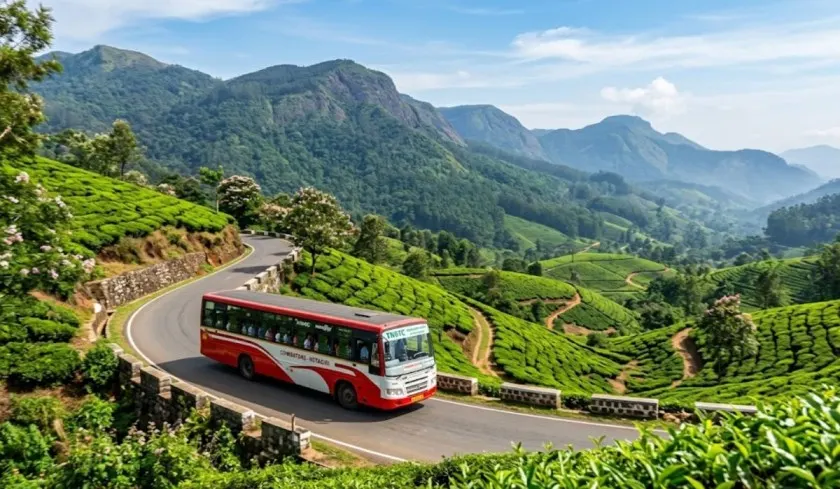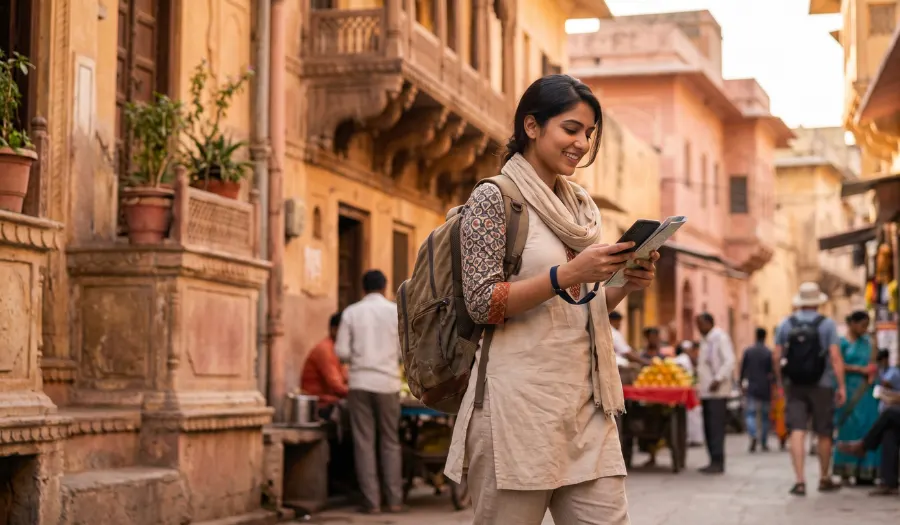
Your bank account doesn't have to take a beating every time you want to explore Europe. We've all seen those dreamy social posts about Paris, Rome, or Barcelona, and sometimes it feels like you need to win the lottery just to afford it. Good news: you don't. Budget travel Europe is real, doable, and way more fun than stressing about every euro you spend.
Why does Europe get a pricey reputation?
Europe is famous for its art, food, and history, but it's also famous for how fast your money can disappear. The exchange rate, fancy hotels, and tourist traps all add up. But thats not the whole story. Lots of people miss out on cheap Europe trips just because they dont know where to look or what to skip.
- Sticking to the big cities during peak season drives up costs.
- Falling for every classic tourist attraction drains your budget.
- Paying full price for flights and trains leaves less to spend on everything else.
Once you start thinking outside the box, affordable European vacations are within reach.
What are the best ways to score cheap flights to Europe?
Airfare is the biggest chunk of your travel budget, but travelers who plan smart can save a lot. Searching for deals early, flying midweek, and using flight comparison tools pay off. If youre open with dates and destinations, youll find lower fares easily.
- Set up price alerts for your top cities and let prices guide you.
- Consider flying into lesser-known airportssometimes a short train ride gets you where you want for less.
- Budget airlines may charge for extras, but tickets are often crazy cheap. Just pack light and double-check details.
Dont let complicated booking sites or too many tabs keep you from finding those bargains.
Where should you go for low cost Europe travel?
Everyone thinks Paris, Rome, or London at first. And they're amazingjust expensive. To stretch your money, look at the part of the map most tourists ignore. Eastern Europe, Portugal, and the Balkans are packed with charm, history, and delicious foodwithout the sticker shock.
- Budapest offers thermal baths, castles, and great food for less.
- Portugal's Lisbon and Porto have ocean views and affordable eats.
- Bulgaria and Romania still feel untouched and full of surprises.
- In the Balkans, small towns mean small prices (and fewer crowds).
The experience is just as rich, but your wallet stays a whole lot happier.
How do you find affordable places to stay?
Hotels in major cities can eat up your entire travel fund. Instead, think hostels, guesthouses, or apartment rentals. Cheap doesn't mean dull. Some of the best nights come from couchsurfing, farm stays, or just picking a spot outside the busy center.
- Hostels arent just for party kidslots offer private rooms, free breakfasts, and great advice.
- Apartment rentals mean you can cook, do laundry, and live like a local.
- Look for locally owned spots that care if you have a good stay.
Tip: Book early if you want the best deals, but look for last-minute discounts too.
What about food? Can you eat well without splurging?
Absolutely. One of the best things in Europe is the foodfrom bakery treats in Paris to tapas in Spain. You dont need fancy restaurants to eat like royalty. Street food, local markets, and bakeries can become your new favorites.
- Eat where locals are, not where the neon tourist signs call you in.
- Grab lunch from market stands or bakeries for a few euros.
- Try sharing plates or set lunch menus for big savings.
Coffee in a sidewalk cafe? Yes, but skip the famous squares and go a few blocks away for half the price.
Getting around: How to travel Europe on a budget?
Moving between cities and countries is easy in Europe, and you dont need a first-class ticket. Cheap buses, discount train passes, and even ride-sharing apps keep costs down. Local transportsubways and tramsbeats taxis for price and often for speed too.
- Bus lines like FlixBus and BlaBlaCar are affordable and cover tons of routes.
- Look into regional or multi-country train passes if you plan a lot of rail travel.
- Walk or rent a bike to see more and spend less in each city.
Lost? Most cities have easy-to-use transit apps, and asking for help almost always works.
Simple travel hacks to save money every day
Everyone wants to feel clever on the road. A few tricks make a big difference.
- Get a local SIM or eSIM so you always have maps (and translation apps) at your fingertips.
- Refill a water bottle instead of buying new ones all day.
- Travel overnight (sleeper train or bus), and save paying for a hotel one night.
Little changes add up, and suddenly your trip goes further.
What can go wrong with budget travel (and how to avoid it)?
Trying to travel cheap sometimes means making mistakes. Maybe you miss that last train or end up somewhere that looks great online but isn't in real life. It's all a part of the adventure. A little flexibility goes a long way.
- Double-check locations before booking anything. Being far outside the city to "save money" can cost more in transit (and time).
- Don't go so cheap you feel unsafe or miserable. There's always a balance.
- Keep a small emergency fund for those unavoidable surprises.
The best stories usually come from mishaps anyway.
Packing tips for a budget Europe trip
Packing light saves money and headaches. Most budget airlines charge for checked bags, so stick to a carry-on. Bring layers, not loads of outfits. A small backpack is all you really need.
- Pick clothes that work in several situations (think layers).
- Leave room for souvenirs, but don't overpack.
- Pack a power adapterEurope uses a mix of plug types.
Being prepared now means less stress later.
Quick recap: Can you really do Europe on a budget?
Yes. Don't let anyone tell you it's impossible. With a bit of planning, open-mindedness, and a willingness to try new things, you can create lifelong memories without a huge bill chasing you home. Whether you're a student, recent grad, or just someone who wants more travel and less stress about money, the worldand Europeis wide open.
- Be flexible with when and where you go.
- Look for less obvious destinations.
- Stay smart about food, lodging, and transport.
The best part? Every euro you save is one you can spend on your next trip.
FAQs about budget travel in Europe
- What's the cheapest way to travel between countries in Europe?
Buses are usually the cheapest way to get from country to country, especially with companies like FlixBus. Trains can be good if you find a deal, but buses almost always cost less. For short hops, check budget airlines, but add up all their fees so you're not surprised at the airport. - How much money do I need for a week in Europe on a budget?
It depends on where you go, but many travelers get by on 50-70 euros a day. That covers a cheap bed, local food, and some attractions. In Western Europe, you'll want a bit more. Eastern Europe or the Balkans are cheaper. - Is it safe to stay in hostels or use couchsurfing?
Yes, for the most part. Hostels and couchsurfing both have review systems, so always read those before you book. Trust your gut and don't be afraid to leave if you feel uncomfortable. Most people using these services are fellow travelers or friendly locals. - Can I visit big cities like Paris or London without going broke?
It's tough but doable. Choose free museums or parks, eat away from tourist areas, and look into city passes for discounts on attractions and public transport. Mixing these with day trips outside the city saves money and gives you a new view. - What's the best time of year fr affordable European vacations?
Avoid summer (June-August) when prices are highest. Spring and fall are better for deals and weather. Winter can be cheapand magicalif you don't mind the cold and shorter days. - How do I avoid hidden costs when booking cheap Europe trips?
Read the fine print on flights, buses, and hotel bookings. Watch for extra baggage fees, resort taxes, and booking service fees. Always double-check what's included before you pay so there are no surprises at check-in.