If you're scrolling travel blogs at midnight, stressing over where to stay in London or how to squeeze everything in, you're not alone. Planning a London trip can feel like assembling a jigsaw puzzle with too many pieces. You want classic double-decker buses, palaces, cheap eats, and the perfect spot to crash without blowing your budget. This London travel guide breaks it all down, minus the information overload, so you actually enjoy your vacation instead of just ticking boxes.
Where Should You Stay in London? (It Makes or Breaks Your Trip)
Picking the right London neighborhood is more than just geography—it's the mood for your entire stay. Are you after postcard perfection or somewhere buzzing with locals? Here's what matters:
- The West End: Step out to theaters, shops, and the famous Oxford Street. It’s London's busiest heart, so you’ll never be bored (but crowds are nonstop).
- South Bank: Walk the river, spot the London Eye, and hit neat food markets. It’s lively and walkable.
- Kensington & Chelsea: Museums, parks, and a touch of class. Great for quieter nights and a posh vibe.
- Shoreditch: Edgy, full of street art, and late-night eats. Perfect for younger travelers or anyone who loves a creative buzz.
- King's Cross: Easy transport, cool coffee shops, and Harry Potter nods. Super practical if you’re coming in on the train.
Get why this matters? London is huge, and the wrong base means hours wasted on the Tube, plus extra pounds (literal and cash). The best areas to stay in London are central—but even that has options for every style and budget.
How Much Should You Spend On Accommodation?
You can splurge on fancy hotels, but there’s no shame in hostels or a good value Airbnb. The trick is balancing location with comfort, especially if you want to avoid endless commutes and still get a good night’s sleep. Look for:
- Hotels: Lots near tourist spots, but prices heat up fast. Check for breakfast included or last-minute deals.
- Hostels: Not what they used to be—many are super clean and social. Private rooms cost extra but worth it if you need your space.
- Short-term rentals: Great for families or longer stays. Watch extra cleaning fees and always read recent reviews.
Common mistake? Booking far outside the city to save money but then spending it all on transport and missing out on late-night city vibes. Set your "must-haves" (quiet, WiFi, walkable) and click carefully.
What Are the Must-See London Tourist Attractions?
London packs in the big sights, but you can't see everything at once. Prioritize what you actually care about, not just what looks pretty on Instagram.
- British Museum: Free and world-famous. Go early to skip the crowds or pick an odd hour—they open late some days.
- Tower of London: History nerd’s dream, plus Crown Jewels. Lines can be brutal, so pre-book if possible.
- Buckingham Palace: Changing of the Guard is classic, but it gets crowded. Don’t expect to meet the Queen.
- Tower Bridge: It’s the iconic bridge everybody confuses with London Bridge. Walk across and grab some city views.
- Camden Market: Food, live music, and wild fashion. Best for street food and gifts you won’t find anywhere else.
- Hyde Park: Chill out, jog, or people-watch. Good for days you’re burnt out on museums.
Want a "hidden gem"? Try the Sky Garden—it’s free, you just need to book a time slot. You can see most of the city, and the plants make it feel like you’ve escaped the chaos for a bit.
How Do You Get Around Efficiently?
The Tube looks confusing, but it’s easier than it seems. Get an Oyster card or use contactless payment for all public transport. Don’t rent a car—London traffic and parking are a nightmare unless you’re craving a headache.
- Download a Tube map to your phone.
- Trains stop running just after midnight, so plan late nights accordingly.
- Black cabs are fun if you’re feeling flush, but rideshare apps are cheaper.
- Walking is underrated—many attractions are closer than you think.
One pro tip? If you’re out after 1am, night buses are a thing, but always check the schedules (and don’t expect them to run like clockwork).
What Should You Eat (& Where Do You Find It)?
London isn’t just fish and chips (though you should grab some at least once). The food scene here is wild—every country’s cuisine, street food markets, and classics side by side. Here are some must-try bites:
- Markets: Borough Market (upscale nibbles), Brick Lane (curry heaven), Camden (everything under the sun).
- Greasy spoons: Grab a full English breakfast—eggs, beans, sausage, toast. Cheap and filling.
- Pub classics: Pie and mash, bangers and mash, Sunday roast. Usually big portions.
Dietary needs? Most places have veggie and vegan options, but always double-check. Book a table for dinners on weekends—Londoners love to eat out, and spots fill up fast.
What Should You Know Before You Go? (Real London Travel Tips)
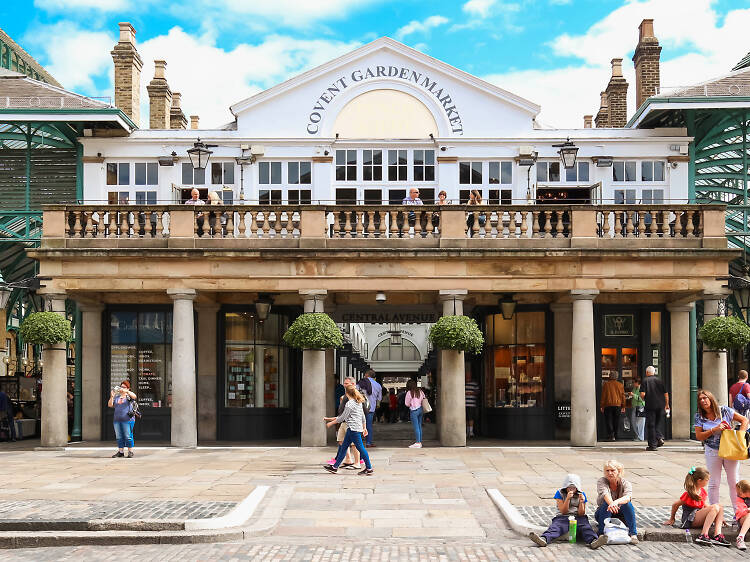
Some things nobody tells you until you’re dodging crowds in Covent Garden:
- Weather can flip in minutes—carry a small umbrella and layer up.
- Tap water is safe (skip bottled if you want to save money).
- Londoners stand on the right on escalators. Don’t block the left, or someone will glare at you.
- Coins add up fast—use them for small shops and buses.
Traveling with kids? Many attractions have family discounts or free entry for young children, but you’ll want to double check each site’s policy before you go.
FAQ: Real Answers to Common London Trip Questions
- What's the safest area to stay in London for first-time visitors?
Central spots like Kensington, South Bank, or the West End are all safe and always busy. You'll see lots of travelers and locals around. Common sense goes a long way—always lock up valuable stuff, just like you would in any big city. - How far in advance should I book London accommodation?
Start looking at least 2-3 months ahead, especially in summer or around holidays. Booking early means better prices and more choices. Last-minute deals pop up, but you risk missing out on the area you really want. - Is it easy to get from the airport to central London?
Absolutely. You can take the Tube, airport trains, or a shuttle bus—Heathrow Express is fastest but more expensive. Public transport is well signed and easy to use. Taxis are pricier but direct if you have lots of luggage. - Can I see London in three days?
Yes, but you’ll need to plan smart. Focus on two or three main areas each day and group nearby sights together. Don’t try to do everything. Prioritize what matters most to you—quality over quantity makes for a happier trip. - Are there free things to do in London?
Tons! Most major museums are free, as are parks and city walks. Just budget for food, transport, and a few paid attractions if you want the full experience. You can easily fill a day or two without spending much if you plan ahead. - What’s the biggest mistake tourists make in London?
Trying to see too much at once. London is huge, and cramming in every famous spot leads to travel burnout. Pick your top priorities and leave plenty of space to wander—some of the best moments come when you don’t rush.
Bottom line? London is meant to be enjoyed, not survived. Use this guide to skip the stress and focus on what actually matters to you. Choose your base, map out your favorites, leave room to explore, and have a blast. You’ll remember the feeling way more than the checklist.