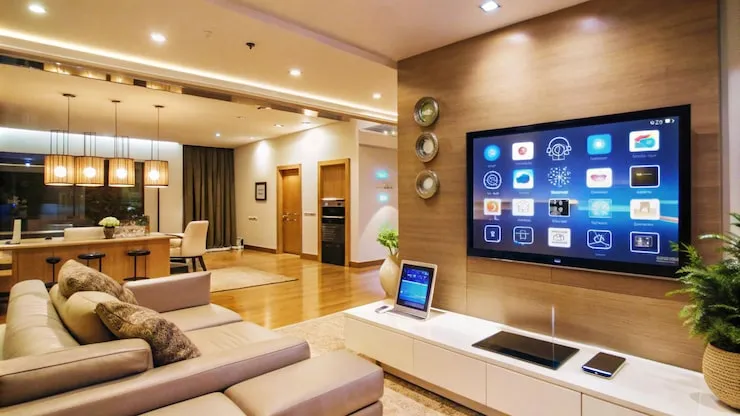
Sophie loved her apartment—but the tiny living room, bedroom, and kitchen made hosting friends nearly impossible. Then she discovered multifunctional interior design. With modular furniture, hidden storage, and smart layouts, she transformed her small space into a stylish, practical, and welcoming home. The best part? It didn’t require a full renovation. Today, we’ll explore how multifunctional interior design can instantly make any space more efficient, stylish, and fun to live in.
What Is Multifunctional Interior Design?
Multifunctional interior design is all about creating spaces that serve more than one purpose. Think: beds that double as storage, desks that fold into walls, and seating that hides extra compartments.
Why it matters: Especially for small apartments or flexible spaces, multifunctional design maximizes every inch without clutter.
How to use it:
-
Identify your space constraints
-
Choose furniture that can adapt to multiple uses
-
Plan layouts that allow easy transitions between functions
What could go wrong: Overloading a room with multifunctional furniture can make it feel cramped. Balance is key.
Key Elements of Multifunctional Interior Design
1. Modular Furniture
-
Pieces that can be rearranged or stacked
-
Examples: sectional sofas, expandable tables, stackable chairs
-
Allows flexibility for hosting, working, or relaxing
Mini takeaway: Modular furniture grows with your needs and lifestyle.
2. Hidden Storage Solutions
-
Beds with drawers, ottomans with storage, staircase compartments
-
Keeps clutter out of sight while maximizing usable space
-
Perfect for apartments or small homes
Personal story: A friend added under-bed drawers and suddenly had space for all her seasonal clothing without a bulky closet.
3. Convertible Furniture
-
Sofas that turn into beds, desks that fold into walls, dining tables that double as workspaces
-
Ideal for studios, guest rooms, or home offices
-
Saves money by reducing the need for multiple pieces
Mini takeaway: Convertible furniture is practical, stylish, and budget-friendly.
4. Vertical Space Optimization
-
Shelving, wall-mounted desks, and hanging storage
-
Frees up floor space for movement and activities
-
Adds a decorative element while serving a function
Tip: Vertical storage is especially useful in rooms with limited square footage.
5. Flexible Room Layouts
-
Sliding partitions, curtains, or screens to create temporary zones
-
Open layouts that allow quick reconfiguration
-
Enhances privacy without permanent construction
Mini takeaway: Flexibility allows a single space to serve multiple purposes effortlessly.
How to Implement Multifunctional Design
-
Assess needs: List activities—sleeping, working, dining, entertaining
-
Prioritize multifunctional furniture: Choose pieces that serve multiple purposes
-
Maximize vertical space: Install shelves, hooks, or wall-mounted solutions
-
Use smart storage: Baskets, under-bed storage, or hidden compartments
-
Test layouts: Move pieces around to find the best flow
Pro tip: Start with one room, like your living area, and experiment before transforming the whole home.
Common Mistakes in Multifunctional Design
-
Choosing overly complex furniture that’s hard to use
-
Forgetting aesthetics: function shouldn’t look messy
-
Overcrowding rooms with too many multifunctional pieces
-
Ignoring lifestyle compatibility: Not every piece works for every household
Mini takeaway: Keep it simple, functional, and tailored to your lifestyle.
Why Multifunctional Interior Design Works
-
Makes small spaces feel larger
-
Reduces clutter while increasing usability
-
Allows flexible living for work, play, and guests
-
Saves money by replacing multiple pieces with single, versatile solutions
Perspective: It’s like having a Swiss Army knife for your home—every piece does more than one thing.
FAQs
Q1: Can multifunctional design work in any space?
Yes! Even large homes benefit from convertible furniture and hidden storage for cleaner layouts.
Q2: Is it expensive?
Prices vary. Some multifunctional pieces are investments, but many options are affordable and save money in the long run.
Q3: How do I choose the right furniture?
Consider size, weight, ease of use, and how many functions you need from a single piece.
Q4: Will it look cluttered?
Not if you balance functionality with aesthetics and avoid overfilling rooms.
Q5: Can I mix multifunctional furniture with traditional pieces?
Absolutely. Use multifunctional pieces strategically while keeping some classic items for style and comfort.
Q6: How do I maximize storage in a tiny apartment?
Use vertical shelves, hidden compartments, and multifunctional furniture to store items efficiently without sacrificing space.
Final Thoughts
Start small: pick one room, add a modular sofa or a convertible table, and see how it transforms your space. Multifunctional interior design doesn’t just save space—it makes your home adaptable, stylish, and easier to live in. Experiment, keep balance in mind, and enjoy a home that truly works for you.