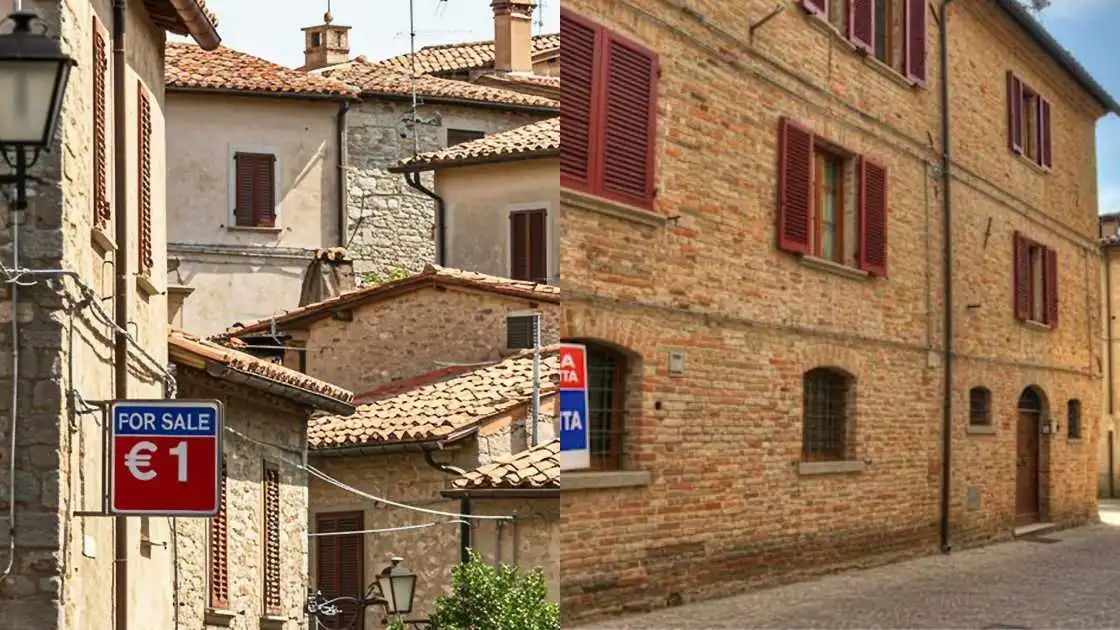
You ever wonder why all the biggest investors seem to park their money in real estate? It's not just a power move for prestige. There's real strategy behind why institutional investors in real estate keep playing this gameand winning big. If you're curious about what keeps pulling them back to property deals, you've landed in the right spot. I'm going to break down exactly how it works, what's in it for them, and the secrets you can use (even if you aren't a billionaire).
What Makes Real Estate Irresistible for Institutional Investors?
Real estate has always been the heavyweight in investment circles. But for institutional investors, it offers a mix of things most other assets can't give: steady cash flow, a hedge against inflation, and the ability to control risk by picking and managing their own properties.
- Diversification: Spreading money across buildings, not just stocks or bonds.
- Income streams from rent (apartment buildings, offices, warehousesthey all pay monthly).
- Tax benefits that help fatten bottom lines.
- Tangible, physical assets you can touchless scary than all-digital investments.
It's no accident you see pension funds and big money managers diving into real estate investment. They're after stability and long-term growth.
How Do Institutional Investors Start a Real Estate Portfolio?
Forget flipping a house or buying a duplex. These investors focus on scale. They start with research and connections. Then they use huge cash reserves to do things like:
- Buy dozensor hundredsof properties at once.
- Partner with developers for brand-new projects.
- Use hefty loans for even bigger deals (banks love lending to groups with deep pockets).
- Hire teams who do nothing but search for opportunities or manage assets.
The goal? Build a real estate portfolio that's so big, even a few bad apples won't spoil the bunch.
What Strategies Do Institutional Investors Use That Most People Miss?
You might hear about "buy and hold," but these guys play chess, not checkers. They:
- Mix up property types: Apartments for cash flow, offices for long leases, warehouses for e-commerce growth.
- Plan upgrades: Fix up old spaces for higher rent (called value add).
- Watch for market cycles and buy when prices are down.
- Stick with areas that are growing, not just "trendy" spots.
This isn't guessworkit's math and experience. Real estate asset management at this level means constantly watching every property and never letting things slide.
What Are the Risks for Institutional Investors in Real Estate?
No investment is perfect. Yes, even the big guns mess up. Heres what can go sideways:
- Overpaying when markets are overheated (it happens)
- Tenants bailing, leaving empty buildings
- Unexpected repair bills that eat profits
- Changing rules and taxes that squeeze returns
What do they do about it? Spread risk wide, check every detail (due diligence), and have backup plans for almost everything. They also keep money in the bank so a bad year doesnt take them down.
What Can Regular Investors Learn From Institutional Real Estate Tactics?
You probably don't have a billion-dollar fund. But you can use some of the same thinking. For example:
- Dont put all your cash in one property or one city.
- Look at long-term trends, not just quick flips.
- Add value to what you own (even a coat of paint or better tenants makes a difference).
- Track your deals like a proexpenses, income, repairs.
The biggest difference? They go big and think long. But smart moves translate to any size investor. That's the secret sauce of institutional strategies.
How Do Large Scale Property Investments Work?
When people say large scale in real estate, think buying entire apartment complexes, malls, or even hospitals. It's a different world from the single-family home game.
- Deals get done faster since the buyers (and sellers) are professionals.
- Banks offer better loan terms when you borrow millions.
- The returns can be much bigger, but so can the stress if one thing goes wrong.
Its not about luck. It's about knowing the numbers, having a team, and thinking way ahead. But the reward? Consistent income and property value that grows for years.
Whats the Real Estate Asset Management Approach?
Owning isnt enough. Managing every detail is where these investors shine. Their asset management game looks like this:
- Schedule regular checkups for all properties
- Always try to bump up income (raise rents, lower expenses, fill those empty spaces)
- Have a repair and maintenance plan well in advance
- Watch market dataso theyre ready to sell or refinance at the right time
This is how they protect their money and keep returns solid. Small investors can copy this by tracking their properties closely, too.
Are the Secrets Out? What the Average Investor Misses
Most people think institutional investors win because they have more money. Truth is, it's more about discipline. Heres what separates pro investors from the crowd:
- They don't chase quick winsthey want results over time.
- Every move is calculatedno emotional buys.
- Their networks open doors most can't even knock on.
- Research is king. Gut feelings have backup from real data.
If there's one thing to take away, it's this: Consistency and research win, even when youre playing on a smaller field.
FAQs About Institutional Investors Real Estate
- Why do institutional investors choose real estate over stocks?
They like real estate because it's a physical thing that can earn steady cash. With the right plan, its less up and down than stocksand they can see and improve what they own. - How do institutional investors manage such big property portfolios?
They build teams of experts for every part: buying, fixing, renting, and tracking money. They use detailed checklists and software to watch every buildings performance day and night. - What types of real estate investment work best for large groups?
Big investors often buy apartment complexes, office buildings, warehouses, or hotels. These can bring in lots of rent and stay full if picked wisely. - Can smaller investors use institutional investor strategies?
Absolutely. Even if you own one rental, you can track expenses closely, make smart upgrades, and think long-term. It's all about the process, not the size of your wallet. - What mistakes do new institutional investors make?
Some jump in too fast without enough research. Others buy at the wrong time or in the wrong place. The fix is to be patient, gather info, and not rush just because everyone else is. - Is real estate safer than other investments?
It can be, but there are still riskslike bad tenants or falling markets. The secret is planning for bumps and spreading your money across several properties, not betting it all on one.
Take what works for you from the big players. You dont need to match their sizeyou just need to match their commitment to smart moves and steady growth.