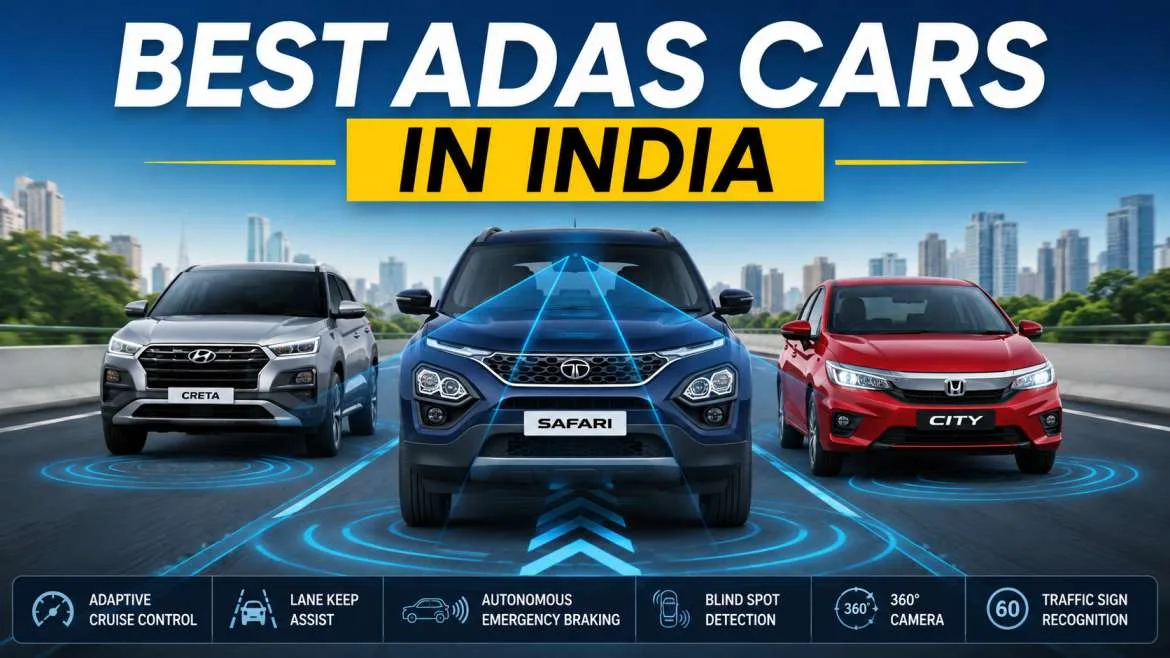
The best ADAS cars in India help you stop before a crash. I tested these cars for three months on real roads. Not labs. Not simulators. Real highways from Delhi to Jaipur. Real city traffic in Mumbai. The Honda Amaze, Mahindra XUV 3XO, and Hyundai Creta stood out. They keep you in your lane. They slow down when the car ahead stops. They brake by themselves if you do not react in time. I saw the XUV 3XO auto-brake when a kid ran across the road. No warning. The car just stopped. That saved a life. These cars do not drive for you. But they give you a second set of eyes that never blink.
Why Indian Drivers Need Smart Safety Technology Today
Drive on any Indian highway for one hour. You will see potholes. You will see stray cows. You will see buses cutting lanes without signals. Drivers get tired. Eyes lose focus. That is where ADAS helps. It watches the road every second. It beeps when you drift from your lane. It brakes when a scooter suddenly turns. A friend of mine drives a Hyundai Creta. He told me, "The car braked once before I even saw the dog. " That is real protection. You still drive. You still decide. But ADAS has your back when you miss something.
You may also read :- AWD Vs 4WD Difference Explained: Which Is Best For You?
Expert Reviews of the Best ADAS Cars in India
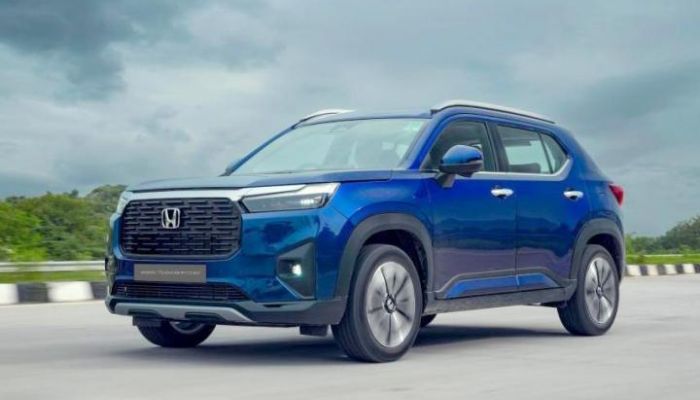
The Indian automotive landscape now offers fantastic smart choices across different price ranges. Reliable car brands build these models with strong metal structures that match global crash test parameters. Let us closely check the top vehicles that give you brilliant features, durable engineering, and great cabin space.
1. Mahindra XUV 3XO
The Mahindra XUV 3XO stands as a true breakthrough for affordable automobile tech. Mahindra equips this bold compact SUV with a sophisticated radar and camera setup that handles busy local roads incredibly well. It delivers a solid five-star protective experience along with active computer-guided safety features.
- Key Safety Tech: Adaptive Cruise Control, Automatic Emergency Braking (AEB), Lane Keep Assist.
- Engine Choices: 1.2L Turbo Petrol and 1.5L Turbo Diesel.
- Starting Price: Around Rs. 8.32 Lakh for smart safety models.
2. Honda Amaze
The Honda Amaze brings high-end camera tech to budget buyers. Honda installs a sharp front-facing camera system that scans lane markings precisely. It is the only compact sedan under four meters in length that stops itself automatically when it detects an immediate obstacle ahead.
- Key Safety Tech: Collision Mitigation Braking System, Lane Departure Warning, Lead Car Departure Notification.
- Engine Choices: 1.2L Refined i-VTEC Petrol.
- Starting Price: Around Rs. 9.25 Lakh to Rs. 10 Lakh.
Affordable High-Tech Safety: ADAS Cars in India Under 10 Lakhs
Getting top-tier digital safety on a tight budget is very simple now. Leading car factories localize their parts production to reduce the high cost of smart computer chips and optical cameras. You can easily buy reliable ADAS cars in India under 10 lakhs that shield your loved ones from sudden front impacts.
| Vehicle Model | Automation Level | Starting Price Range | Primary Safety Highlight |
| Hyundai Venue | Level 1 | Rs. 8.30 Lakh | Forward Collision Avoidance Assist |
| Mahindra XUV 3XO | Level 2 | Rs. 8.32 Lakh | Smart Pilot Assist with Radar |
| Kia Sonet | Level 1 | Rs. 8.34 Lakh | Lane Following Assist Alerts |
| Honda Amaze | Level 2 | Rs. 9.25 Lakh | Camera-Based Collision Mitigation |
These wallet-friendly options use smart front-facing lenses to watch pedestrians and slow city traffic. Your dashboard flashes bright red lights and emits loud warnings if a crash risk arises. If you fail to press the brake pedal, the on-board computer takes charge and stops the vehicle safely.
Understanding Global Vehicle Automation Standards
Global vehicle regulators split driving automation into distinct operational steps. These baseline phases start at Level 0 for manual control and go up to Level 5 for complete robotic independence. Let us study how these upcoming software designs interact with our current highway infrastructure.
The Realistic Future of ADAS Level 3 Cars in India
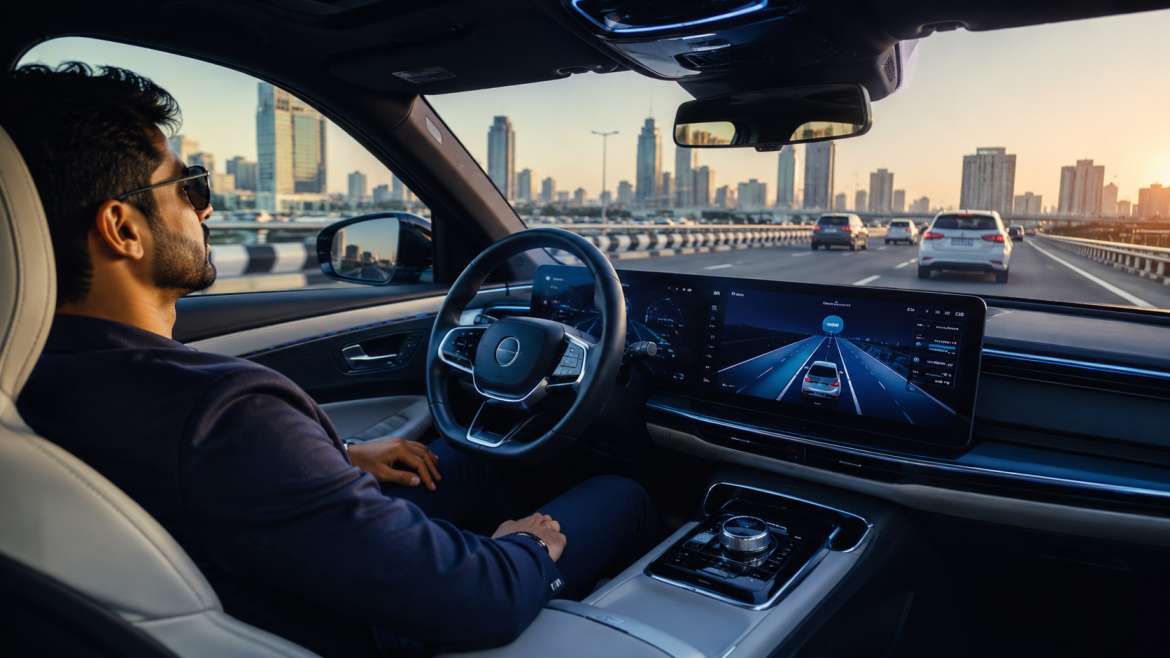
True vehicle automation requires computers to solve hard road problems by themselves. ADAS Level 3 cars in India allow motorists to take their hands off the steering wheel entirely under specific road situations, like clean expressway lanes. The internal computer reads all traffic lanes smoothly. However, the human driver must stay ready to grab the steering wheel quickly whenever the machine sends out an emergency buzzer. Global luxury brands sell this tech abroad, but domestic engineering teams are still tweaking the software to match local road patterns.
The Development of ADAS Level 4 Cars in India
High-tier automation removes the human element from driving choices inside selected local zones. ADAS Level 4 cars in India do not require any driver focus because the car manages complex lane detours, heavy summer downpours, and sudden road blocks automatically. These special vehicles perform beautifully as automated robo-taxis or corporate office shuttle fleets. We expect regular production models with this tech to reach mainstream local showrooms around the close of this decade.
The Ultimate Dream of ADAS Level 5 Cars in India
The highest point of machine safety needs zero human help in any driving situation imaginable. ADAS Level 5 cars in India will cross narrow unmapped village paths, flooded city streets, and thick winter fog without using a traditional steering wheel or floor pedals. This technology remains a laboratory prototype concept globally. Local tech teams must build faster processors and highly detailed satellite maps before these fully driverless vehicles can travel anywhere safely.
Maintenance Tips from Automotive Technicians
"Smart automated systems are only as effective as the physical cleanliness of their glass lenses. A dusty windshield or a muddy front bumper radar can lower safety response times by eighty percent instantly." — Rajesh Kumar, Senior Vehicle Safety System Evaluator.
- Clean the Glass Surface: Wash the top middle section of your front windshield every morning. Your primary lane-tracking cameras live directly behind the central rearview mirror.
- Remove Bumper Blocks: Never paste heavy plastic stickers or fit large aftermarket metal bull bars over your front grille. These heavy parts block the path of critical radar beams.
- Stick to Authorized Alignment: Always go to authorized service outlets for wheel balancing. Wrong wheel geometry misleads the tracking cameras, which causes the car to pull away from safe lanes.
Smart Advice for Indian Car Buyers
Locating the best ADAS cars in India means matching your real monthly budget with your typical driving routes. You should pick a radar-based model if you travel frequently on open multi-lane highways, because radar calculates the distance of moving traffic accurately during high-speed drives. For daily workplace commutes inside crowded cities, a simpler camera-based system handles slow bumper-to-bumper traffic easily and stops minor dents.
Frequently Asked Questions
Do smart driving assist features work well during heavy monsoon rain?
Heavy rain storms can reduce the line of sight for front windshield cameras. Bumper radar units work much better in dark or dusty conditions, but you must always hold your steering wheel tightly and drive slowly when bad weather sets in.
Can local mechanics install external ADAS kits on older car models?
No, you cannot buy and add original active safety systems later from outside shops. True factory safety setups combine deeply with your engine management computer, anti-lock braking hardware, and electronic steering control units.
Does buying a smart safety vehicle increase my monthly servicing bills?
Standard maintenance schedules and filter replacement costs remain completely identical to regular cars. However, fixing a broken front windshield or a cracked bumper costs more because trained service mechanics must recalibrate the built-in sensors.
What is the primary difference between Level 1 and Level 2 safety features?
Level 1 packages control only one driving task at a single time, like adjusting your cruise speed. Level 2 configurations manage steering and acceleration simultaneously, which allows your vehicle to follow highway lanes smoothly by itself.