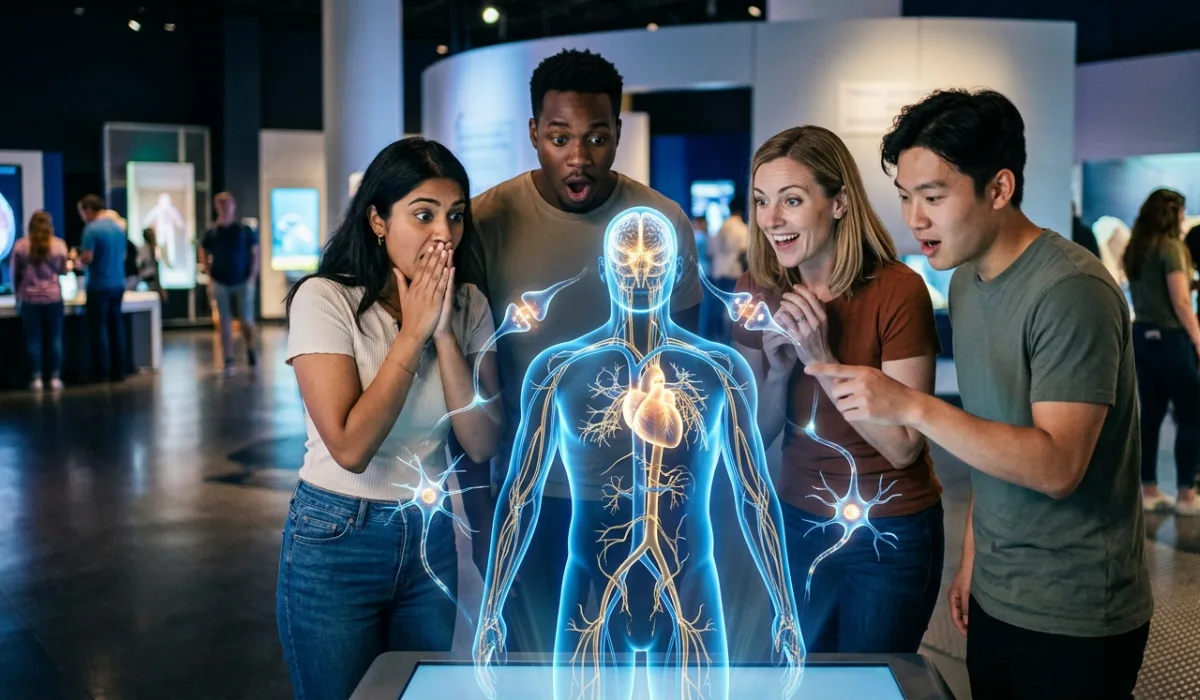
Learning skills for the future starts with small steps today. Kids and adults both need skills that help them think, solve problems, and stay calm when things change. Essential STEM skills help with all of this. STEM means science, technology, engineering, and math. These skills are not hard when taught in a simple way. They help with school, work, and daily life. This guide is written in easy English so anyone can read it. A ten year old child can understand it without help. The goal is to explain STEM in a friendly way. You will see why these skills matter, how to learn them, and how they help in real life. Everything is shared in short ideas with clear meaning so learning feels light and friendly.
What Are Essential STEM Skills
Essential STEM skills are basic skills from science, math, technology, and engineering. These skills help people think clearly and act smart. Science teaches how things work. Math helps with numbers and planning. Technology helps use phones, tablets, and computers. Engineering helps build and fix things. These skills are used every day, even without knowing it. When a child counts toys, that is math. When they ask why the sky is blue, that is science. When they use a tablet, that is technology. When they stack blocks, that is engineering. These skills grow with practice. They help kids feel sure about learning. They also help adults handle work and home tasks with less stress and more care.
Why Essential STEM Skills Matter Today
Life today moves fast. Jobs change often. New tools come out every year. Essential STEM skills help people keep up. These skills teach how to think, not what to think. This makes learning new things easier later. Kids with STEM skills feel less scared of school work. They try again when they fail. Adults with STEM skills feel ready to learn new job tasks. These skills also help people make smart choices. Math helps with money. Science helps with health. Tech skills help stay safe online. Engineering helps fix small problems at home. These skills give confidence. When people feel confident, they feel happy and calm. This is why families and schools care so much about STEM learning today.
Simple STEM Skills Every Child Can Learn
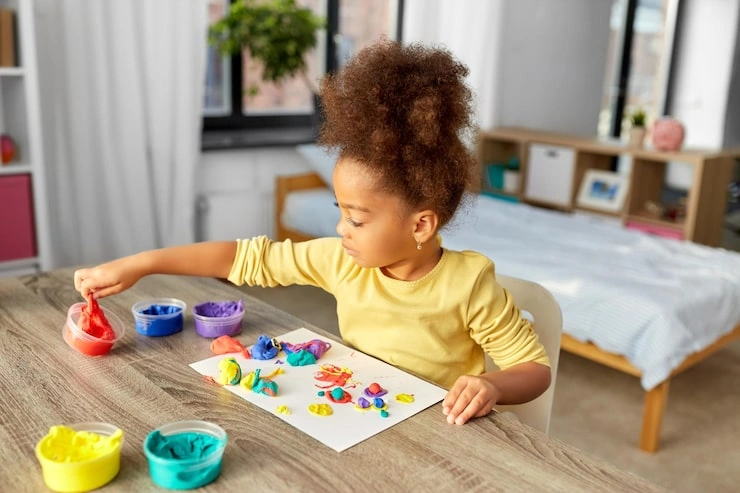
STEM learning does not need big books or hard words. Simple skills work best. Counting, sorting, and measuring are great starts. Asking questions helps the brain grow. Playing with puzzles builds thinking skills. Drawing plans helps kids think ahead. Using kid safe apps teaches basic tech skills. These Essential STEM skills grow step by step. Kids learn best when learning feels fun. Parents can help by talking with kids and listening to their ideas. Teachers can help by using games and stories. Kids should feel safe to make mistakes. Mistakes help learning. When kids explain ideas in their own words, learning stays longer in their mind. Small steps lead to big growth over time.
How STEM Skills Help in Daily Life
STEM skills are not only for school tests. They help in daily life. Math helps count money and plan time. Science helps care for pets and plants. Tech skills help use phones and apps. Engineering helps fix toys and build small things. These skills also help people stay calm when problems show up. Instead of giving up, they try again. Essential STEM skills teach patience and clear thinking. This helps kids grow into adults who can handle stress better. These skills also help people help others. When someone knows how things work, they can share and support. STEM skills make life feel easier and more clear for everyone.
Easy Ways to Learn STEM at Home
Learning STEM at home is simple and low cost. Parents can use daily tasks as lessons. Cooking teaches math and science. Cleaning teaches sorting and planning. Watching weather teaches science ideas. Board games help with thinking and rules. Talking about how things work builds science skills. Kids learn best when they feel loved and safe. Praise effort, not just results. Let kids ask many questions. Give them time to think. Essential STEM skills grow in calm spaces. No rush is needed. Short and fun learning works best. When learning feels like play, kids stay curious. Curiosity helps learning last for many years.
-
Playing number and word games
-
Building with blocks and simple tools
STEM Skills and School Success
STEM skills help kids do better in school. Math skills help with tests and homework. Science skills help understand lessons. Tech skills help with online learning tools. Engineering skills help with projects and group work. Kids with Essential STEM skills feel more ready for class. They listen better and ask smart questions. They work well with others. Teachers like students who try and think. These skills also help kids enjoy learning more. When kids understand lessons, they feel proud. Pride helps confidence. Confidence helps learning. This creates a good cycle that supports school success year after year without fear or pressure.
STEM Skills and Future Jobs
Many future jobs need STEM skills. Jobs in health, tech, building, and science all use these skills. Even jobs in art and sports use math and tech today. Essential STEM skills help people learn new tools fast. This makes job changes easier. Adults with STEM skills feel less worried about work changes. Kids with STEM skills feel hopeful about their future. These skills also help people start small businesses. Planning, counting, and problem solving are key parts of work. STEM skills give choices. When people have choices, they feel free and strong. This is why learning STEM helps build a better future for all.
Trust, Care, and Learning STEM
Good STEM learning needs trust. Kids trust teachers who explain things clearly. Parents trust lessons that feel safe. Essential STEM skills should be taught with care and truth. Real examples help learning feel real. Kind feedback helps kids grow. Experts agree that early STEM learning helps long term success. Learning should never feel scary. When kids feel safe, they try more. When they try more, they learn more. This trust builds strong learning habits. These habits stay for life. Honest teaching and clear facts make STEM learning strong and helpful for everyone involved.
Common Myths About STEM Learning
Some people think STEM is hard. This is not true. STEM can be simple and fun. Others think only smart kids can learn STEM. This is also false. Anyone can learn with time and care. Some think STEM needs costly tools. Many STEM lessons use simple items at home. Essential STEM skills grow from daily life. Talking, playing, and asking questions are enough to start. Clearing these myths helps more people try STEM learning. When fear goes away, learning feels lighter. This helps kids and adults enjoy learning and grow with joy and confidence.
Conclusion
Essential STEM skills help people at every stage of life. They build strong thinking, calm problem solving, and clear learning habits. These skills do not need hard words or big tools. They grow from simple daily actions and kind teaching. Kids learn best when they feel safe and curious. Adults learn best when lessons feel useful and clear. STEM skills help with school, work, and daily life. They give confidence and choice for the future. By learning these skills slowly and with care, anyone can grow smarter and stronger. STEM learning is not about being perfect. It is about trying, learning, and growing every day with hope and joy.
FAQs
What are Essential STEM skills?
Essential STEM skills are basic skills from science, technology, engineering, and math. They help people think, solve problems, and learn new things easily.
Why should kids learn STEM early?
Early learning helps kids feel calm in school and ready for future work. It builds confidence and clear thinking from a young age.
Can adults learn STEM skills too?
Yes, adults can learn at any age. Simple practice and clear lessons help adults grow these skills step by step.