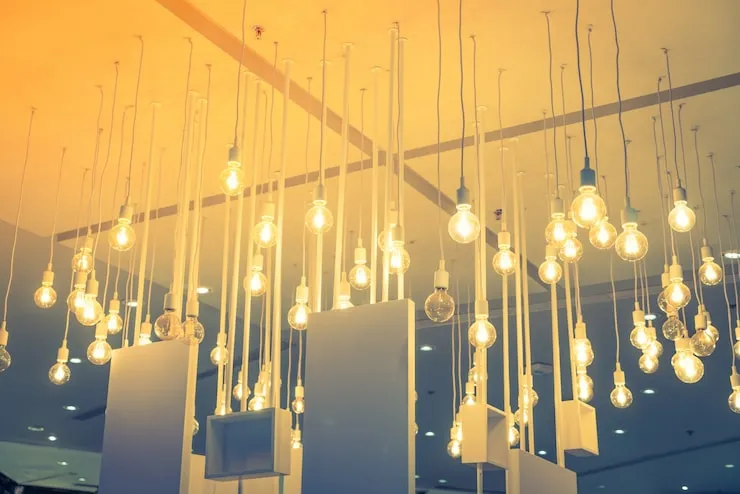
Lighting is more than just a way to see in the dark. It shapes how a room feels and how people live in it. The right illumination can make a home feel cozy, an office feel productive, and a store feel inviting. This guide explores the world of modern illumination to help make any space both beautiful and functional.
Why Smart Lighting Solutions Matter for Every Home
Good lighting affects mood, health, and even how well people sleep. Bright, cool light can help with focus during the day. Warm, soft light tells the body it is time to relax in the evening. Without a good plan, a room can feel harsh, gloomy, or just plain unwelcoming. Planning is the first step to avoiding these common problems.
Your Essential Lighting Solutions Guide: Understanding the Three Layers
Professional designers use three layers of light to build a perfect plan. Think of it like a recipe. Each layer adds something special.
The Foundation: Ambient Room Lighting
This is the base layer. It fills the entire room with a general glow. It replaces sunlight and removes dark shadows. Common sources include ceiling fixtures, recessed lights, and chandeliers. The goal is even, comfortable brightness for safe movement.
The Task Layer: Getting Work Done
Task lighting shines light directly where it is needed for specific activities. It helps eyes see details without strain. This includes under-cabinet lighting for kitchen counters, a focused desk lamp for reading, or a pendant light over a dining table. This layer is all about practicality and preventing eye fatigue.
The Magic Touch: Accent and Decorative Lights
This is the fun layer. Accent lighting creates drama and highlights favorite things. It adds sparkle and depth to a room. Use it to light up artwork, bookshelves, or architectural details. Decorative lights, like a pretty table lamp or string lights, add personality and style.
Choosing Bulbs: An LED Lighting Revolution
The light bulb has changed dramatically. Understanding the options is key to a good plan.
-
LED Bulbs: The top choice today. They use very little energy, last for years, and stay cool. Look for terms like energy-efficient lighting and long-lasting illumination.
-
Brightness (Lumens): Forget watts. Lumens measure light output. For a soft nightlight, aim for 200-400 lumens. For reading, choose 800-1100 lumens.
-
Color (Kelvin): This number decides if light is warm or cool.
-
Warm White (2700K-3000K): Feels cozy and relaxing. Perfect for living rooms and bedrooms.
-
Cool White (3500K-4100K): Feels clean and alert. Great for kitchens, offices, and garages.
-
Daylight (5000K-6500K): Very bright and blue. Best for detailed task work.
-
Smart Home Lighting: Control at Your Fingertips
Modern lighting is intelligent. Smart home lighting systems connect to a phone or voice assistant. Lights can be turned off from bed, set to slowly brighten in the morning, or changed to blue for a party. This technology offers next-level convenience and is a major part of automated lighting control.
Room-by-Room Illumination Tips
Every space has different needs. Here is a quick breakdown.
Kitchen Lighting Strategies
The kitchen needs it all. Start with bright ambient light from ceiling fixtures. Then, add crucial under-cabinet lighting to see food on countertops. A pendant light over the island creates a great focal point.
Creating a Cozy Living Room Atmosphere
Living rooms benefit from flexibility. Use dimmable overhead lights or several floor and table lamps. This allows for bright light for games and soft light for watching movies. Accent lights can show off a fireplace or painting.
The Bedroom: Relaxation and Function
Avoid harsh overhead lights. Bedside lamps for reading are a must. Consider a central light on a dimmer. For a modern touch, LED strip lights inside a closet or under a bed frame add a gentle glow.
Home Office Lighting for Productivity
Good light prevents headaches and keeps minds sharp. Combine ambient light with a strong, adjustable desk lamp. Position the desk to use natural daylight from a window, but add a shade to prevent glare on the computer screen.
Expert Insights on Lasting Quality
"When clients ask for advice, the first rule is to never underestimate the power of layers," says Maria Chen, a residential lighting designer with 15 years of experience. "A single ceiling fixture often creates more problems than it solves. Investing in a few well-placed lamps and dimmers has a greater impact than buying the most expensive chandelier."
Common Lighting Mistakes and Easy Fixes
Many problems have simple solutions.
-
Mistake: A room feels like a cave.
-
Fix: Use mirrors to reflect light and add a floor lamp in a dark corner.
-
Mistake: Glare on the television or computer.
-
Fix: Reposition the light source or use a bulb with a lower lumen output.
-
Mistake: All the light comes from one spot.
-
Fix: Spread out light sources. Use the "three-point lighting" rule for balance.
FAQs About Modern Illumination
What is the most energy-efficient lighting option?
LED bulbs are the clear winner for energy-efficient lighting. They use up to 90% less energy than old incandescent bulbs and can last over 20 years.
How can I make my lighting "smart"?
Start with a smart bulb or a smart plug. These devices connect to your home Wi-Fi. They can then be controlled through an app on a phone or with voice commands through assistants like Alexa or Google Home.
Why do my eyes hurt in my home office?
This is often due to glare or insufficient task lighting. Ensure light is not shining directly into eyes or bouncing off the computer screen. A dedicated desk lamp that lights up the workspace evenly can solve this.
What is the best living room lighting setup?
A combination is best. Use a central overhead light on a dimmer switch for general light. Then, add at least three other light sources around the room, like table lamps and a floor lamp. This creates a warm, inviting, and flexible atmosphere.
Can lighting affect how I feel?
Absolutely. Bright, cool light promotes alertness and is great for daytime. Warm, dim light helps the body produce melatonin, the sleep hormone, making it ideal for evenings. This is why a lighting solutions guide often recommends adjustable options.
Bringing It All Together: Your Action Plan
Start by looking at each room. Identify where tasks are done, like reading or cooking. Make sure those spots have good task lighting. Then, ensure the whole room has a comfortable base layer of light. Finally, add a little magic with accent or decorative lights. Do not forget to upgrade old bulbs to LEDs for savings and better light quality. With this simple plan, any home can become brighter, more beautiful, and perfectly suited to the life lived in it.