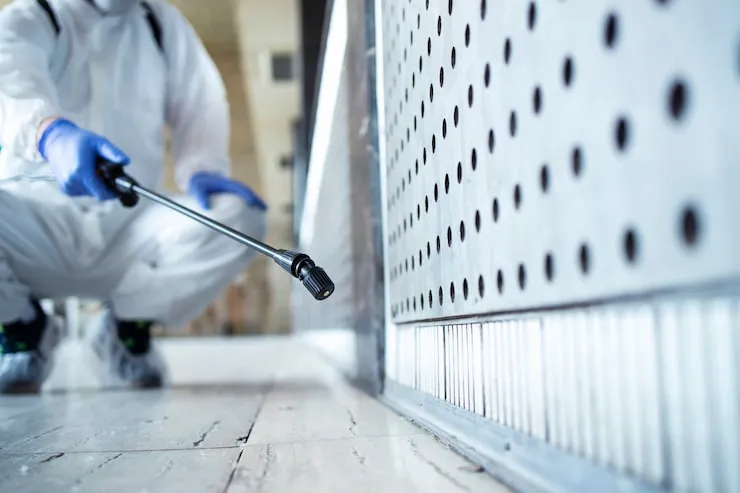
Discovering a pest infestation in your home or business can be stressful, unsettling, and even frightening. Whether it’s ants in the kitchen, rodents in the walls, termites in the foundation, or roaches lurking after dark, pests threaten health, property, and peace of mind.
Mark wakes up to find tiny ants marching across his kitchen counter. His first thought? Spray everything and hope for the best. Within a few days, the ants return—and this time, he notices other critters too.
That’s when he discovers that the real secret to solving a pest infestation isn’t frantic spraying—it’s the very first step that experts swear by.
Knowing the correct first move can save time, money, and stress. In this guide, you’ll learn how professionals tackle infestations, why timing matters, and how to prevent pests from returning.
Why Pest Infestations Happen?
What it is:
A pest infestation occurs when unwanted creatures—ants, termites, rodents, or cockroaches—multiply and disrupt your home or business.
Why it matters:
Infestations aren’t just annoying—they can damage property, contaminate food, and even cause health issues.
Common culprits:
-
Ants and cockroaches: attracted to food and moisture
-
Termites: eat wood, silently damaging structures
-
Rodents: spread disease, chew wires, and gnaw through insulation
-
Bed bugs: hide in furniture, mattresses, and cracks
Mini takeaway: Understanding the type of pest is the first key to solving the problem.
The First Move Experts Take
Step 1: Inspection
Before spraying anything, professionals conduct a thorough inspection. They identify:
-
Type of pest
-
Entry points
-
Nesting areas
-
Severity of infestation
Why it matters: Spraying without knowing the pest can make the problem worse or only temporarily suppress it.
Step 2: Clean and Declutter
Experts remove food sources, moisture, and clutter that attract pests. This isn’t glamorous, but it’s crucial.
Step 3: Seal Entry Points
Cracks, vents, and gaps are sealed to block pests from returning. Even the best chemicals won’t prevent new intruders without this step.
Mini takeaway: Inspection, cleaning, and sealing form the foundation for effective pest control.
Treatment Options That Actually Work
1. Chemical Treatments
-
Targeted sprays for ants or roaches
-
Bait stations for rodents
-
Termiticide for termites
Tip: Use only approved products and follow instructions carefully.
2. Natural Remedies
-
Diatomaceous earth: safe for pets, kills insects mechanically
-
Borax mixtures for ants
-
Essential oils (peppermint, eucalyptus) for minor deterrence
3. Professional Services
-
Pest control companies handle severe infestations
-
Offer ongoing monitoring to prevent recurrence
-
Experts know which chemicals and treatments are safe for humans and pets
Mini takeaway: Matching the treatment to the pest and severity ensures long-lasting results.
Preventing Future Infestations
-
Store food in sealed containers
-
Regularly take out trash
-
Keep moisture under control (fix leaks, ventilate areas)
-
Inspect delivered items and packages
-
Schedule routine professional checks for termites and rodents
Mini takeaway: Prevention is cheaper and less stressful than fixing an infestation after it spreads.
Real-Life Example: How Experts Solved a Rodent Problem
Jenny noticed gnaw marks in her pantry. Instead of spraying randomly, she called a pest control expert. The technician:
-
Inspected the house and found entry holes behind appliances
-
Set up bait stations and traps strategically
-
Sealed the holes and cleaned up attractants
Within a week, the rodents were gone—and Jenny’s house stayed pest-free because she followed the expert’s first-move strategy.
Conclusion
Pest infestations are unsettling, but they don’t have to be overwhelming. The biggest mistake people make is rushing into action without understanding the problem. Experts know that the first move—proper identification—determines success or failure.
By slowing down, observing carefully, and focusing on source elimination and prevention, infestations can be solved effectively and permanently. Whether you handle the issue yourself or bring in a professional, adopting the expert mindset ensures you’re not just fighting pests—you’re ending the problem for good.
The next time pests appear, remember:
Don’t spray first. Think first.
That’s the expert secret that solves infestations—every time.
FAQs
Q1: How do I know if I have termites?
A: Look for hollow wood, mud tubes on walls, and discarded wings near windows. Early detection saves thousands in repairs.
Q2: Can I handle a pest infestation myself?
A: Small infestations (like a few ants) can be managed with cleaning and baits. For larger problems, professional help is safer and more effective.
Q3: Are natural remedies effective?
A: They can work for minor issues but may not eliminate a severe infestation. Consider them as preventive measures or supplements.
Q4: How long does pest control take?
A: It depends on the pest and severity. Minor problems may resolve in days, while termites or rodents may need weeks of treatment.
Q5: Can pests come back after treatment?
A: Yes, if entry points aren’t sealed or attractants remain. Regular inspection and maintenance prevent recurrence.
Q6: Are pest control chemicals safe for pets?
A: Most are safe if applied properly, but always check product instructions and keep pets away during treatment.