Buying your first home is a big, exciting step. It can also feel a little scary. There are so many questions! Where should you look? What can you afford? What makes a neighborhood "good"?
This guide is here to help. We will walk through the best ways to find your dream home in the top neighborhoods for people just like you. Let's turn that "maybe someday" into "welcome home."
Start Your Journey Right: Before You Look at Homes
You cannot find the right house in the right place if you do not know what "right" looks like for you. Let's start with some important homework.
Map Your Money: The Budget Talk
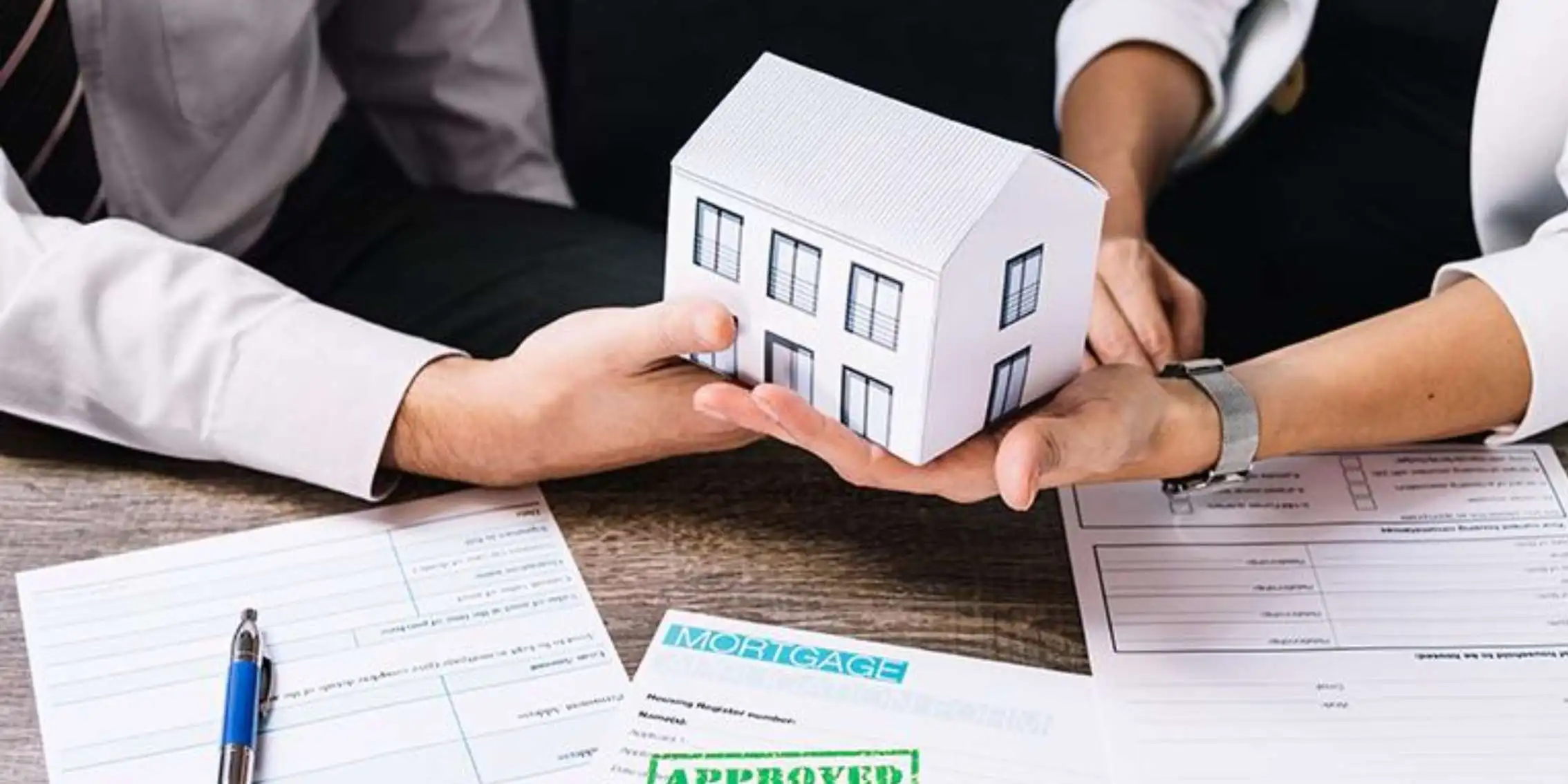
The first stop is not a neighborhood; it's a conversation with a mortgage lender. Getting pre-approved for a mortgage is like getting a golden ticket. It shows you exactly how much money a bank will lend you. This tells you your true home buying budget.
Do not forget the extra costs! You will need money for a down payment and closing costs. Also, remember monthly expenses like utilities, internet, and property taxes.
Make Your "Must-Have" and "Nice-to-Have" Lists
Grab a piece of paper and make two lists. This is the fun part!
-
Must-Haves: Things you cannot live without. Example: 2 bedrooms, a safe street, a short commute to work.
-
Nice-to-Haves: Things you would love but can compromise on. Example: A big backyard, a garage, a newly updated kitchen.
Knowing this helps you narrow your home search quickly.
Find Dream Homes: Top Neighborhoods for First-Time Buyers Revealed
This is the big question. The "best" neighborhood for you depends on your life. Here is how to discover it.
Looking for the "Up-and-Coming" Area
These are neighborhoods that are getting better. They often have lower home prices right now, but are seeing new shops and fixed-up houses. This can be a great way to get in early. Look for signs like new coffee shops, parks being cleaned up, and lots of "sold" signs.
The Charm of Established Communities
These areas have been popular for a long time. They usually have mature trees, well-known schools, and a stable feeling. Homes here might cost more, but they often hold their value very well. They are known for family-friendly amenities like community pools and block parties.
Don't Just Visit—Experience the Area
You must see a neighborhood at different times. Visit on a Tuesday morning and a Saturday night.
-
Talk to people. Chat with someone walking their dog. Do they smile and say hello?
-
Listen. Is it noisy from traffic? Is it quiet and peaceful?
-
Imagine your life there. Can you walk to get groceries? Is there a park nearby? How long is the drive to your job?
"As a home inspector, I tell all my first-time clients to visit at different times of day and week," says Michael Torres, a certified home inspector with 15 years of experience. "You're buying the street and community as much as the house. Check the water pressure in the morning when everyone is showering. See if the quiet street becomes a shortcut during rush hour."
Essential Tools for Your Home Search
You do not have to do this alone. Use these tools to help.
The Power of a Local Real Estate Agent
A good buyer's agent is your superhero. They know the hidden gems in the housing market. They can tell you which streets are best and help you understand home values. Their knowledge is priceless for a first-time home buyer.
Online Searches are Your Best Friend
Websites and apps are amazing for browsing home listings. You can set up alerts for new houses in your favorite areas. You can also look at maps to see how close houses are to schools and highways.
Digging Deeper: What Really Makes a Great Neighborhood?
Look beyond the house itself. The area around it is key for your long-term happiness.
Safety and Community Feel
Feeling safe is most important. You can check online crime maps. But also trust your feelings. Do people sit on their porches? Do the homes look cared for? A strong sense of community is a great sign.
The Convenience Factor: Location, Location, Location
Think about your daily life. A long, stressful commute can make you hate a beautiful house. Look for neighborhoods with easy access to your job, your family, and the places you go often.
Schools and Fun Stuff
Even if you do not have kids, good school districts make a neighborhood more desirable. This helps your home's resale value. Also, look for things to do. Are there libraries, community centers, restaurants, or bike trails? These things make a place feel like home.
Making the Move: From Search to "Sold!"
You found a neighborhood and a house you love. Now what?
The Offer and The Inspection
Your agent will help you make a smart offer. Once it's accepted, you will get a home inspection. This is a must! An expert looks at the house from roof to basement to find any problems. It is a key step for avoiding costly repairs later.
"When financing a first home, clarity is everything," advises Sarah Chen, a mortgage lender. "Beyond the loan, we work with buyers to plan for all the new costs of homeownership, like higher utility bills or HOA fees, so there are no surprises after moving in."
The Final Step: Closing Day
This is the day you get the keys! You will sign a lot of papers. Then, the house is officially yours. Congratulations, homeowner!
Frequently Asked Questions
Q: How much money do I really need to buy my first home?
A: You will need money for your down payment (often 3%-10% of the home's price), closing costs (2%-5%), and an emergency fund for repairs after you move in.
Q: Are older homes or new homes better for a first-time buyer?
A: Both can be great! Newer homes might need less repair. Older homes often have more character and might be in more established neighborhoods. A good home inspection is vital for either choice.
Q: How long does it usually take to buy a house?
A: From starting your search to moving in, it often takes 3 to 6 months. It can be faster or slower depending on the market and how quickly you find "the one."
Q: What's the biggest mistake first-time buyers make?
A: Many people only think about the monthly mortgage payment. Remember to budget for property taxes, homeowner's insurance, maintenance, and all your regular living expenses.