Why Get Into Real Estate? Does It Really Work?
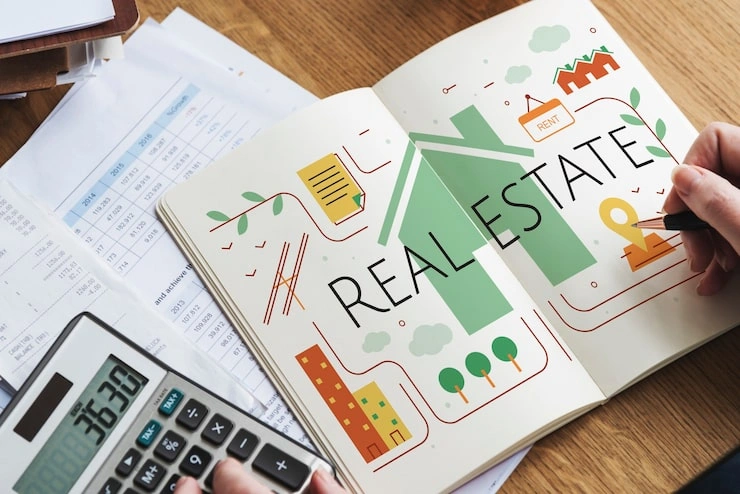
Ever wondered why so many people talk about buying properties? Real estate isn't just for the wealthy. It's one of the oldest ways everyday folks build wealth. When you hear "real estate investment guide," you might picture big city apartments or flipping houses on TV. But at its core, it's about owning something solid that might rise in value, give you steady rent checks, or both. People invest in real estate because it can offer long-term growth, regular income, and options you just don't get with things like stocks. Plus, everyone needs a place to live, right?
How Do You Actually Start? (A No-Fluff Step-by-Step)
- Save a down payment: Most people need at least 3-20% of the home's price up front.
- Check your credit: Better credit scores mean better loan deals.
- Research areas you like: Look for job growth, low crime, good schools.
- Talk to a real estate agent: Choose someone who knows the neighborhoods you want.
- Get pre-approved for a loan: This shows sellers you're serious.
- Crunch the numbers: Does rent cover the mortgage, repairs, and extras?
Don't let all this scare you. The first time I calculated these numbers, I kept double-checking if I forgot something. Listeneveryone's nervous at first. You don't have to go it alone.
What's the Best Real Estate Investment Strategy for Beginners?
If you're new, start simple. Some strategies fit beginners way better than others:
- Buy and hold: Buy a place, rent it out, and hold onto it for years. Think long game.
- House hacking: Buy a duplex or triplex, live in one spot, rent out others. Help pay your mortgage fast.
- REITs (Real Estate Investment Trusts): Invest in real estate without owning physical property. Good if you want to test the waters.
Stuff like flipping houses? It can look easy on YouTube, but it's risky and can eat your savings if you're not careful. Lots of folks lose money when they rush or skip steps.
What Makes a Property Worth Investing In?
It's not just about how cheap a place looks online. Smart investors focus on:
- Location: Near jobs, shops, and schools? That's gold.
- Rental demand: Are people lining up to live there?
- Condition: Fixer-uppers can work, but add repair costs to your math.
- Potential rent vs. costs: Will you actually make money each month?
- Future value: Is the neighborhood getting better or worse?
This is the stuff I wish someone told me early on. Don't buy on gut feeling aloneuse data and real estate tips for beginners to guide you.
Common Mistakes First-Time Investors Make (And How to Dodge Them)
- Skipping the math: Falling in love with a house and ignoring if it pays for itself.
- No emergency fund: All homes need surprise repairs. Set money aside.
- Rushing to buy: It's easy to get caught up in the hunt, but waiting for the right fit could save you thousands.
- Underestimating expenses: Taxes, insurance, repairs, and times when it's emptydon't ignore these.
- Not knowing local laws: Rental rules can change what you're allowed to do with your property.
If you avoid these, you're ahead of most new investors.
How to Keep Growing Once You Own Property
Buying your first place is an achievement, but it's only the beginning. Use your first experience to level up:
- Track every penny you spend and earn.
- Build a networkagents, handymen, other investors.
- Stay curiousread, listen to podcasts, learn what makes the market tick in your town.
- Ask renters what they like or don't like about your place to stay ahead.
- When you're ready, expandbuy another property, try new areas, or consider other real estate investment strategies.
FAQ
- How much money do I need to start investing in real estate?
A lot of people think you need loads of cash, but you can start with as little as 3% down for your first home. Plan for extra costs like closing fees, repairs, and a safety fund. Saving up $15,000-$30,000 is common for beginners, but your location matters. - What are the best real estate tips for beginners?
Stick to what you know, start small, and focus on making sure rent covers expenses. Take time to learn your local market and always have a backup plan for vacancies or repairs. - Is buying a rental property a good investment?
It can beif you run the numbers right and plan for bumps along the way. Rental property offers income and a chance for the value to increase. There's also work involved, so be ready for that part. - Can I invest in real estate if my credit score isn't great?
Credit scores help you get better loans, but they're not the end of the road. Pay down debts and try to boost your score before applying. Some lenders work with lower credit, but you may pay higher interest rates. - Should I manage my property myself or hire someone?
If you have time and live nearby, doing it yourself saves money. But property managers take care of finding renters, repairs, and calls at midnight. Their fee (usually around 8-10% of rent) can be worth it for peace of mind. - What is a property investment guide, and do I need one?
A good guide explains how to invest in real estate, covers the basics, warns about risks, and shows different property investment strategies. If you're new, reading a few can help you avoid mistakes and feel more confident.
Start small, learn as you go, and remember: Everyone starts with questions. The best investors keep looking for answers, one property at a time. You've got this.