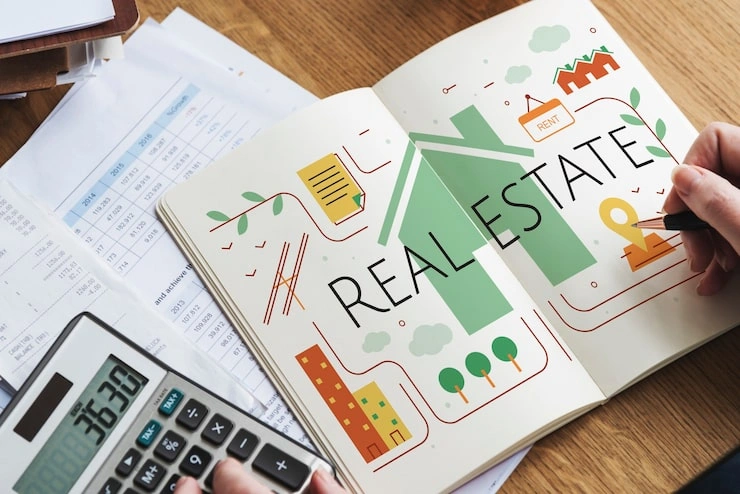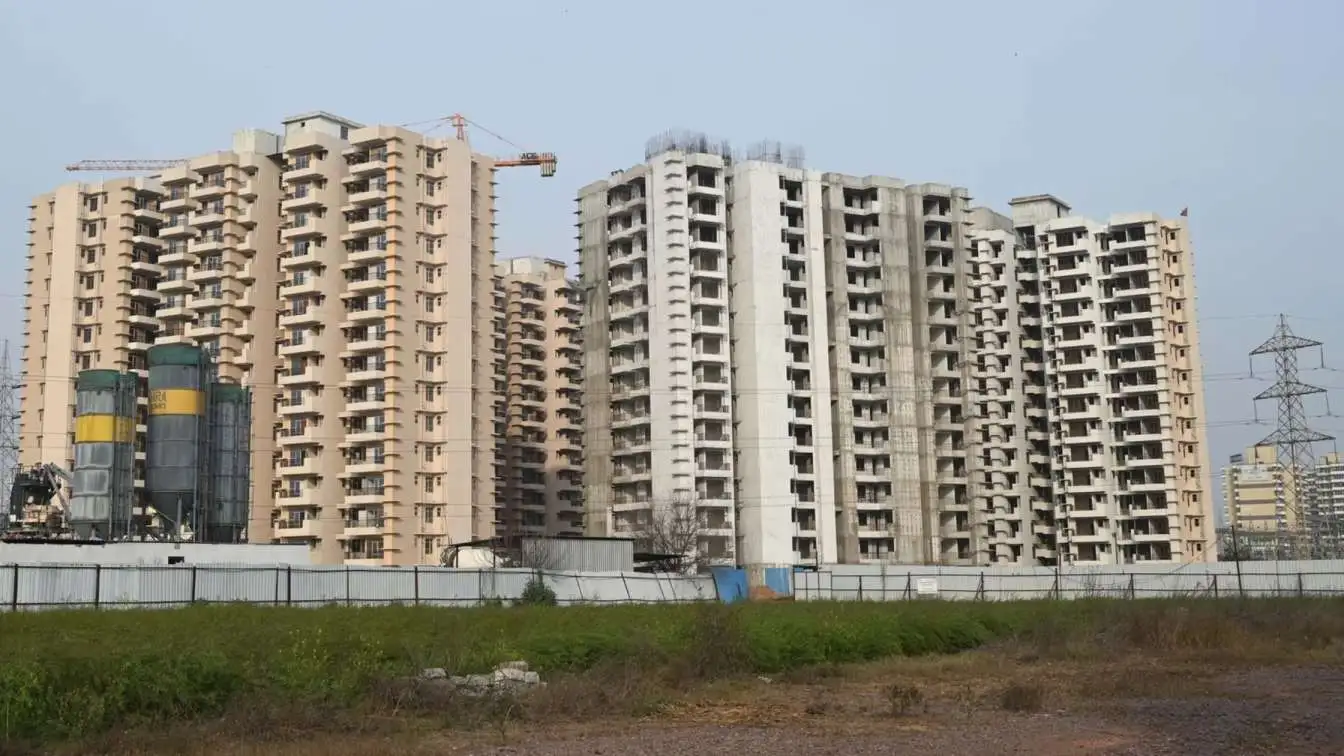
Buying a home is a big deal. It feels exciting and overwhelming, often in the same five minutes. Whether you're starting out or eyeing your second place, a few simple homebuying tips can save you a whole lot of stress. I learned most of these the hard way. You'll get the good, the bad, and the ugly upfrontso you can skip the worst of it.
What's the real first step to buying a house?
Lots of people think the house hunt starts with window shopping listings. That's fun, but the real beginning is figuring out your budget. Get pre-approved for a mortgage before you fall in love with any property. This isn't just about paperworkit's knowing what you can actually afford, so you don't waste time on homes outside your range. The benefit? You look like a serious buyer to sellers. One mistake I made was assuming my "rough math" was close enough. It wasn't. I missed out on two great houses that moved fast because I didn't have my pre-approval ready. Don't be that buyer. Get the golden ticket before you shop.
How do you make your home purchase checklist (and what goes on it)?
Your home purchase checklist isn't just about which countertop looks best. It's everything that matters to youlocation, commute, school quality, room sizes, even natural light. Write down what you can't live without, what you'd like, and what doesn't matter. Why? Because once you're touring places, it's easy to get distracted by staging or fresh paint. A checklist keeps you honest about what you need. I know people who've regretted forgetting storage space or street parking. Make your list, and use it to keep your priorities straight.
- Must-haves (number of bedrooms, location, yard, accessibility)
- Nice-to-haves (updated kitchen, bonus room, office space)
- Deal-breakers (busy street, tiny closets, old roof)
Why do first-time homebuyers get stressed about hidden costs?
If you think the price tag on a house is the whole story, you're in for a surprise. Hidden costs get a lot of new buyers. There are things like property taxes, home insurance, inspection fees, closing costs, and little expenseslike changing locks or fixing leaky faucets. These add up. I once set aside extra cash for furniture but spent most of it on fees I didn't plan for. The fix? Ask your real estate agent (or lender) for a full list of costs upfront. Add 2-5% to your home price for surprises. If you don't use it, great. If you do, you're ready.
How do you pick the right real estate agent without guessing?
Picking an agent is more than just calling the first name you see online. A good agent listens, keeps your needs first, and knows the neighborhoods you want. Ask friends who they trust. Interview two or three agentsdon't skip this! Ask them how they handle first-time buyers, what their schedule is like, and how they communicate. I once worked with someone who never returned texts, and that killed my momentum. Trust your gut, but ask real questions. The right agent makes this process much less stressful.
What's the biggest mistake first-time buyers make?
The biggest mistake? Rushingor letting someone else rush you. Whether it's an eager seller or an agent pushing you to "lock it in," don't move faster than you feel okay with. You need time to read, ask questions, and sleep on big decisions. It's your money and your life. I once lost sleep for a week over a house I almost bought too fast. Glad I walked away. Slow down, check your needs, and don't let FOMO (fear of missing out) win. You'll find the right house if you stick to what matters most to you.
Want your home buying process to go smoother?
- Stick to your home purchase checklist
- Ask questions, even "dumb" onesthere are none
- Double-check all your numbersdon't guess
- Keep some savings untouched for surprises
- Remember the goal: finding a place you want to come home to
FAQs
- What should I know before buying my first house?
You should know your budget, how much homes in your area really cost, and what you need in a house. Talk to a lender before you start searching. Ask about all the fees and surprise costs. Make a list of your must-haves, and don't get pressured into buying something just because it's available. - How can I organize my home purchase checklist?
Start with three columns: must-haves, nice-to-haves, and deal-breakers. Be honest with yourself. After seeing a few homes, update your list if needed, but always check off your top must-haves. A checklist helps you focus and avoid impulsive choices. - What's the best advice for first time homebuyers struggling with the process?
Take your time, ask friends for advice, and never be afraid to pause. Get clear on your finances and don't skip the inspection. If something feels off, it's okay to walk away. The right house will come, even if it takes a while. - How much should I save for unexpected homebuying costs?
Aim to have at least 2-5% of the home's price saved for extra costs beyond your down payment. This covers things like inspections, closing fees, and small repairs. If you don't need it, awesome. If you do, you're ready. - Why do people say buying a house is stressful?
Mainly because there are a lot of steps and surprises. You're spending big money, making life decisions, and dealing with paperwork. But if you break it down, have a plan, and ask questions, it's way more manageable. It gets easier with the right team and info. - Is it okay to make an offer below asking price?
Yes, it's totally normal to offer less, especially if the house needs work or has been sitting for a while. Your agent can check days on market and help you decide what's a fair offer. Worst they can say is no!
Getting the keys to your own place feels awesome. Use these tips, trust yourself, and don't worry about doing it "perfectly." You'll learn as you go, and your future self will thank you for starting with a plan.