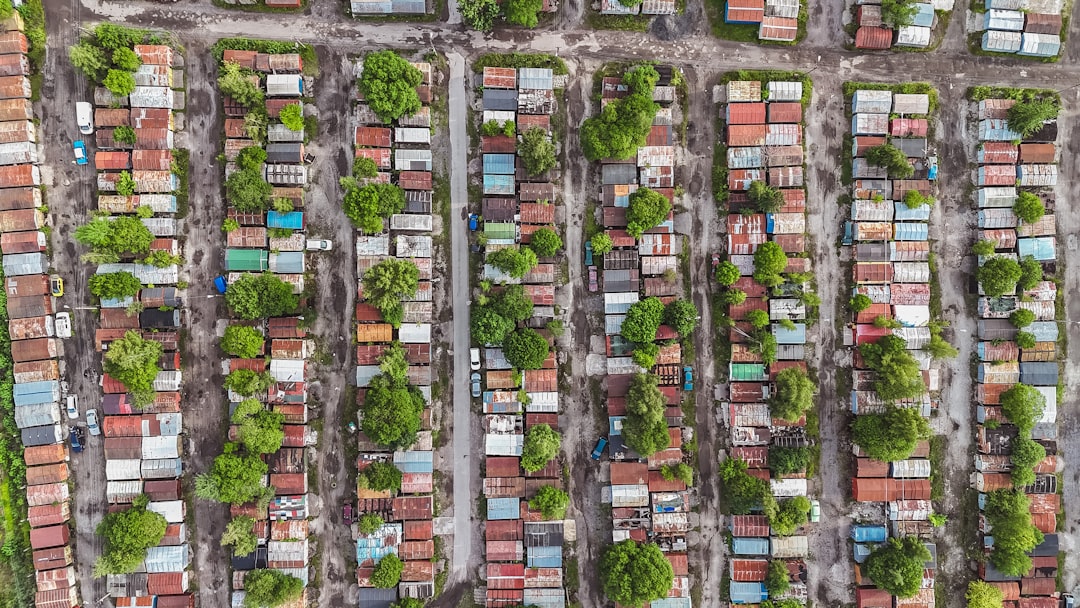
Finding a place to live shouldn't feel like winning the lottery. These days, though, tons of people are struggling with that exact problem. The cost of rent has shot up, homes go off the market in hours, and new apartments aren't keeping pace with how many people need them. If you've looked for a home recently, you know the struggle is real. But what if there were actually some housing shortage solutions that workednot just on paper, but for real people?
Why Do We Have a Housing Shortage Anyway?
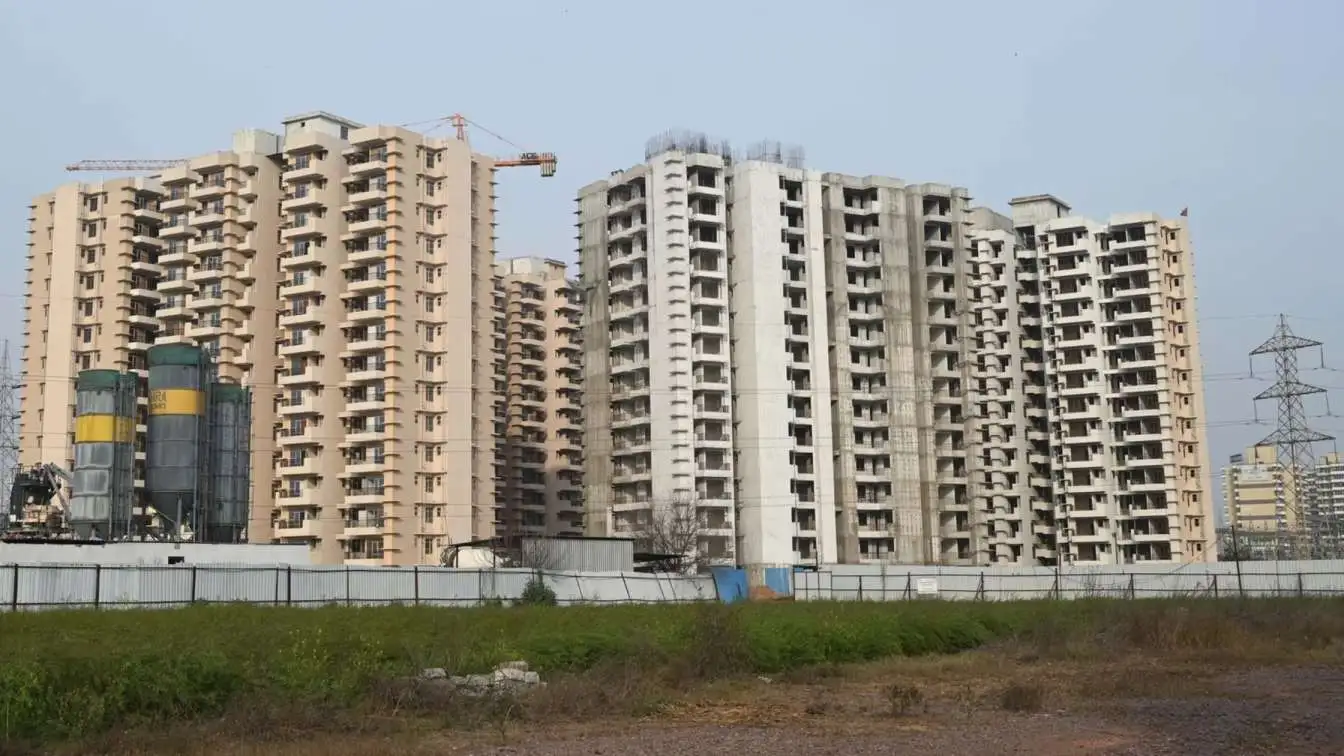
You see a crane on every corner but homes are still hard to come by. So what gives? The main reason: there arent enough places to live where people want to be. Cities get crowded, prices rise, and new homes can take years to go up. Plus, rules about what you can build (and where) make things even trickier.
Some of the biggest reasons include:
- Construction costs keep climbing
- Laws and local rules slow things down
- More people want to live in cities for jobs, schools, and fun
- Land is expensive, and big builders don't like risks
- The supply chain (for stuff like lumber and appliances) often gets delayed
What Are the Most Promising Housing Shortage Solutions?
There isnt one magic answer, but there are some creative ways to help more people find homes without waiting decades. These ideas arent new, but cities and towns are finally starting to try them on a bigger scale:
- Reduce red tape: Make it easier and faster to approve new housing projects
- Allow more mixed-use buildings: Places where people can live, work, and shop in the same area
- Encourage smaller homes or apartments: Not everyone needs a giant house
- Support accessory dwelling units (ADUs): Think backyard cottages, basement apartments, or granny flats
- Redevelop empty lots or offices: Turn unused spaces into affordable apartments
Trying these helps increase the number of homes pretty quickly, which can keep prices from skyrocketing. Plus, it opens up options for every stage of lifewhether youre just starting out, raising a family, or downsizing.
How Can Cities Make Housing More Affordable?
Making homes cheaper for regular people isnt impossible, but it does take effort. Heres what cities can do to turn things around:
- Offer tax breaks or cheaper loans for builders making affordable homes
- Set aside land for lower-cost housing
- Remove restrictions that only allow giant houses in certain zones
- Give renters more protections
- Create incentives for shared housing (like co-living spaces)
When cities use these affordable housing strategies, its easier for working families, teachers, and first-time buyers to stay in neighborhoods they love. It also keeps communities diverseso you dont end up with all the wealth in one place and everyone else pushed out.
Can We Really Manage Housing Demand?
You cant control where people want to live, but you can guide the demand in smart ways. Housing demand management means giving people more options around transportation, work, and lifestyle:
- Build new homes near public transit, so folks can live farther out without long commutes
- Encourage jobs and services in more neighborhoods, so not everyone has to move to the same block
- Offer support for remote and hybrid work, letting people live outside expensive city hubs
When cities balance where homes and jobs are, people dont get priced out in the same way. It spreads demand outmaking life a little saner for everyone hunting for a place to rent or buy.
Are There Fresh Urban Development Solutions?
City life gets a bad rap for being expensive. But good urban development solutions can make it better for everyonenot just millionaires:
- Build up, not out: Taller buildings create more housing on the same land
- Reuse what weve got: Old warehouses become lofts; outdated malls turn into apartments
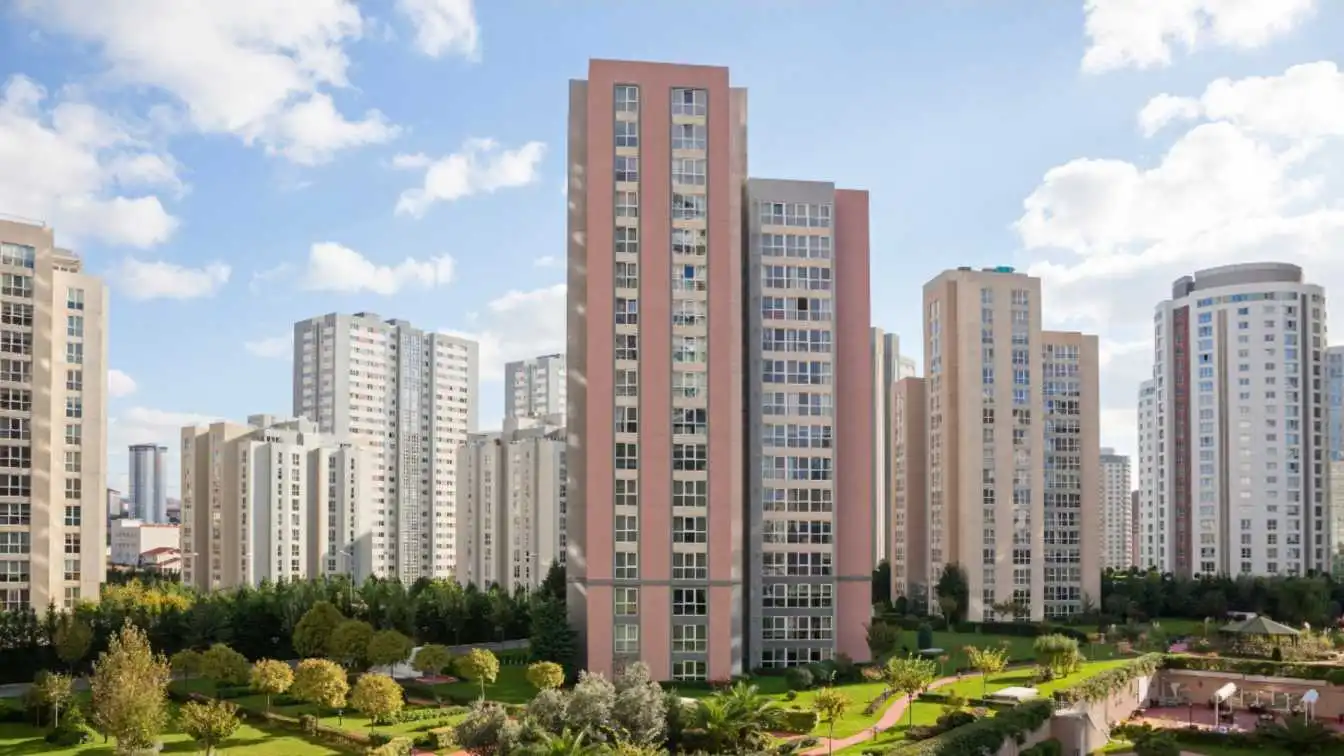
- Green spaces matter: Parks, plazas, and trees dont just look nicethey attract people to new neighborhoods
- Keep everything walkable: The closer you are to shops, schools, and jobs, the less you spend on cars
Great urban design isnt about making things fancyits about making daily life easier and cheaper. If new neighborhoods are designed for all ages and budgets, more people will find a place that works for them.
Whats Changing in Residential Construction Trends?
Residential construction trends look different in 2025 than they did a decade ago. Heres whats newand why it helps fight the housing shortage:
- Modular homes: Built in factories, put together quickly onsitecuts costs and delays
- Sustainable building: Energy-efficient homes save money in the long run
- Flexible floor plans: Spaces shift as your needs changework from home, host friends, or raise kids
- Community-focused design: Shared gardens, kitchens, and spaces bring neighbors together
These trends dont just help buildersthey make homes more affordable and easier to live in for everyone. Builders get homes up faster and at lower prices, and buyers get places that truly work for daily life.
What Happens If We Ignore Housing Market Challenges?
Lets be real. If cities and builders keep doing things the old way, the problems dont go away. You end up with:
- Higher costs for everyone, renters and buyers
- Longer commutes because people have to move farther out
- Neighborhoods losing the people who make them interesting and real
- Worst of all: younger folks and families give up on ever owning a home
The good news? These problems can get betterif enough people push for real change, even if progress is slow. Small wins add up.
What Can You Do to Push Housing Solutions Forward?
You dont have to run for office to help fix the housing shortage. Start small: talk about what youre seeing with friends, neighbors, or on social media. Go to city meetings when you can. Support local projects that offer honest, affordable options. Every voice matters.
Change wont happen overnight, but its getting clear that only new thinking will make a dent in the housing crunch. With a mix of smart building, better laws, and people who actually care, finding a place to call home wont have to feel impossible.
FAQs about Housing Shortage Solutions
- What are the fastest ways to build more homes?
Prefabricated and modular homes are among the quickest. They're put together in factories and set up on site, which saves time and money. Cutting down on long permit waits also speeds up the process. - How do accessory dwelling units help with the housing crisis?
Accessory dwelling units (ADUs)like backyard cottages or garage apartmentsadd homes in neighborhoods that already exist. They make it possible for more people to live in good areas without building big complexes everywhere. - Do zoning changes really make a difference?
Yes, updating zoning laws can help a lot. When cities allow different types of homes (like duplexes or tiny houses) in more places, builders can add more housing faster, which helps with shortages and keeps prices steadier. - Are affordable housing strategies the same in every city?
No, what works depends on local needs and rules. Cities with lots of open land might build out, while tight urban spots focus on building up or splitting existing homes. The main goal is always to create more options for everyone. - What is housing demand management, really?
It's aout giving people more choices, so everyone isn't rushing to live in the same area. This could mean supporting transit, making more jobs in different neighborhoods, or helping folks work remotely. The better the options, the less crowdedand expensivepopular places become. - Can regular people do anything to help?
Yes! You can back local projects for affordable housing, talk to city officials, or even share your story about what it's like to hunt for a home. When more people speak up, leaders pay attention, and positive change gets easier.