Buying your first house can feel like walking into a test you didn't study for. You know it's a big deal. Everyone seems to have advice, but none of it sounds simple. Here's the good news: You can get it right and save money if you know the real tricks. This guide packs honest tips for first-time home buyers that I've learned the hard way so you can skip the drama and get a deal you'll brag about.
What Does It Really Cost to Buy Your First House?
Lots of people think the sticker price is all that matters. They see a house listed for $325,000 and figure that's the magic number. Rookie mistake. Here's what can sneak up on you:
- Down payment: Usually 3% to 20%. Bigger is better, but small is possible
- Closing costs: Lender fees, taxes, title, insurance. Budget 2-5% of the price
- Home inspection: Don't skip it. $300$600 well spent
- Moving costs: Trucks, pizza for helpers, tiny things like packing tape
- Repairs and updates: Even 'move-in ready' isn't always ready
If you don't expect these, they'll knock you flat. Know the real cost before you get excited that's rule one in any first-time home buyer guide.
How Much House Can You Actually Afford (Not What a Bank Says)?
Banks love approving you for the biggest number possible. That's not your real budget. Lenders aren't the ones who'll be eating cereal for dinner so your mortgage gets paid. How much should you spend?
- Take home pay: Keep your monthly payment at or below 25-30%
- Leave space: Remember, your new place will mean new bills (utilities, HOA, stuff breaks)
- Emergency fund: You want cash left for surprises
- Think lifestyle: Will this house force you to say 'no' to travel, hobbies, or going out?
Bottom line? Don't max out "what you're approved for." Decide what makes you sleep easy instead. Saving money starts with picking the right number not the bank's number.
What Are Mortgage Types and Which One Should You Pick?
Mortgages sound confusing but boil down to a few choices:
- Fixed-rate: Your interest rate never changes. It's what I always recommend first
- Adjustable-rate: Low at first, risks going up later. Good if you know you'll move fast not for most first-timers
- FHA/VA/USDA loans: Easier for low down payment or if you qualify for help
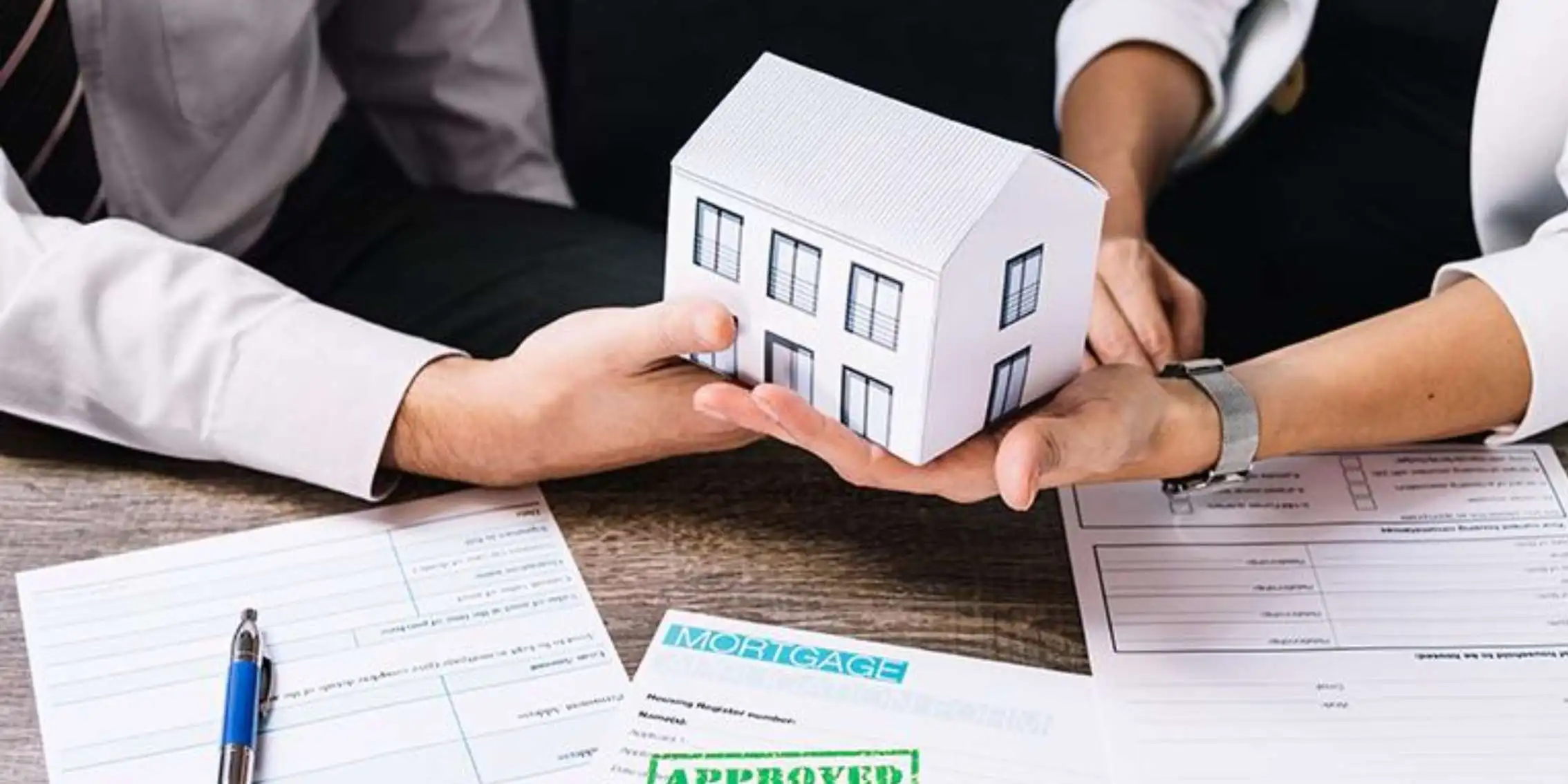
Shop three lenders minimum. Ask for the total up-front and monthly cost, not just rates. If you feel lost, bring someone you trust to meetings. A first-time home buyer guide isn't just about getting a loan; it's about getting a fair deal and understanding the small print.
How Do You Nab the Best Price (Without Losing the House You Want)?
No one wants to overpay. But you also don't want to lowball and lose out. Here's the move:
- Research recent sales: Know what local homes went for, not just asking prices
- Check days on market: Longer = more room to negotiate
- Look for seller signals: Vacant house or "motivated seller"? Leverage it
- Use your agent: They're not psychics, but they know the game
- Be ready to walk: The strongest buyer is one who can say no
It's stressful I'll admit that. But a little research and a cool head save real money. That's how you save on your first home without missing out.
What Mistakes Trip Up First-Time Home Buyers?
- Falling in love too fast: Every house looks amazing at first
- Ignoring the inspection: If you skip it, be ready for bad surprises
- Opening new credit cards: Your lender will notice, and it could tank your approval
- Buying big stuff before closing: Wait on furniture and new cars until the keys are in your hand
- Poor communication: Don't hide job changes or big expenses from your lender
I made some of these mistakes. Everyone does at least one. What saved me? Admitting when I was overwhelmed and asking for help. That's the real secret. You'll learn as you go, and help is out there even if it means changing agents or double-checking what you read online.
How Can You Save the Most Money as a First-Time Buyer?
- Shop for homes in off-peak seasons: Less competition, more negotiable prices
- Consider homes that need light updates: Paint and minor fixes are cheaper than perfect places
- Ask about first-time buyer programs: Free money or better rates are real if you qualify
- Look for seller-paid closing costs: Some sellers offer these to sweeten the deal
- Negotiate everything: Even that fridge or washer/dryer can be part of the package
Don't be shy. Ask every question, get every possible break. These are real, simple first-time home buyer tips that save you thousands if you take them seriously.
What If You Feel Overwhelmed or Unsure?
If all this sounds like a lot, that's normal. Even after years in real estate, I still get nervous with big decisions. The trick is to break it down:
- Set one small goal at a time: Today is "find a good agent", not "buy a home"
- Talk it out: Friends, family, anybody who's been there they'll share what worked (and what didn't)
- Checklists help: Cross things off so it feels doable
- Give yourself permission to pause: Not every deal is "the one"
Buying your first house is a huge step, but you really can do it sensibly. Stick with these plain-English tips, reach out when stuck, and trust your gut. In a year, you'll laugh about how stressed you were promise.
FAQs
- What's the best way to save for a first home?
Start by tracking your spending see where your money goes now. Set up a separate savings account for your house fund. Aim to put something in it each month, even if it's small. Cutting a few expenses (like eating out or unused subscriptions) adds up faster than you think. - Are there really programs that help first-time home buyers?
Yes, lots of states and cities offer help. Some give down payment assistance or lower mortgage rates. Ask your lender and real estate agent about options in your area so you don't miss free help that's out there. - Should I buy a fixer-upper or move-in ready home?
If you can handle small repairs and have savings for fixes, a slightly dated home is usually cheaper. Move-in ready is easier but costs more. It depends on your patience and budget. Be honest with what you can handle before you fall in love with a project. - How long does it take to buy your first house?
It varies, but most people spend 2-6 months looking and then 1-2 months from offer to move-in. The process feels slow, but a good agent keeps you on track. Being flexible helps things go smoother. - What credit score do I need to buy a house?
Most lenders want to see at least 620, but the higher, the better. If your score is lower, some loan programs can still get you a deal. Try to pay off debt and don't open new accounts right before you apply for a mortgage that'll boost your chances. - Are open houses worth going to?
Yes, go to a few even if you're not ready to buy right now. It's free research. You'll learn what you like, what you can't stand, and maybe meet an agent who gets what you're looking for.
Buying your first house feels huge, but with the right info, you can do it on your terms and for less money than you think. Pick one step to focus on today start simple, build from there. In a year, you'll look back and be glad you did it your way.