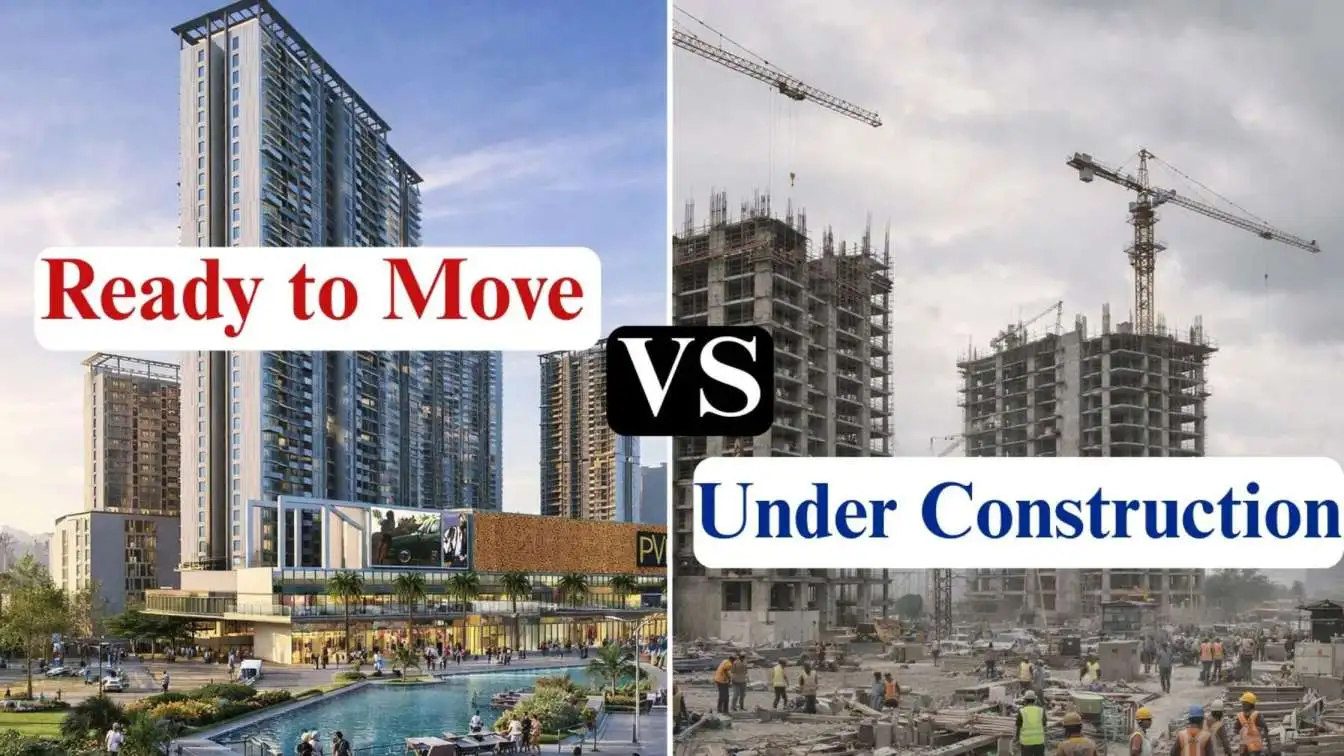
Every month when you pay rent, that money's gone forever. It helps your landlord, not you. But what if you could use that same money to build real wealth? That's the secret behind home ownership investment. It's not just about owning a place to live. It's about making your money work harderso you don't always have to. If you've ever wondered how people end up with real estate portfolios or retire in a house that's totally theirs, keep reading. You'll get practical advice, real-world stories, and simple action steps to help you flip rent payments into something way more valuable.
What Does Home Ownership Investment Really Mean?
When people talk about "investing in your home," they're talking about turning the money you'd pay for rent into equityactual ownership. Basically, every mortgage payment builds up value in something you control, instead of giving cash away each month. Yes, property comes with a big price tag. But over time, it helps you build wealth with real estate, one payment at a time.
- Mortgage payments gradually give you a bigger slice of the property
- Home values usually grow over the years
- You can sell and pocket the profit, or rent it out for income
How Does Owning a Home Build Wealth?
Every payment you put toward a mortgage goes partly to "paying yourself"in the form of home equity. That means your net worth grows a little each time. Here are the biggest benefits of owning a home:
- Turning rent into equity: Your monthly payment adds value to something you own
- Real estate values have grown for decades in most places
- You gain freedom to improve, rent, or sell anytime
I've seen people who bought a small house in their 20s later use the equity as a down payment for rental properties or even a bigger home. That's how regular people start investing in property and build a nest egg for the future.
What's the Catch With Buying Instead of Renting?
It's not all sunshine. Buying a home is a huge commitment. There are some challenges that scare people off:
- You'll need a down payment (often 3%-20% of the purchase price)
- Upkeep is on youroof leaks, appliances break, you pay
- If you want to move soon, selling can be a hassle
- The market can shift and your home's value might dip
Still, over the long haul, the odds of building wealth with real estate are way better when you own vs. rent. Every step matterseven if you start small or mess up the first time (most people do!).
How Do You Start Investing in Property If You're Broke?
This one's real: Lots of folks think they need a huge pile of cash to buy a place. Not 100% true. Some ways to get started even if you don't have loads of savings:
- Look for zero-down or low-down loans (especially for first-time buyers)
- Consider "house hacking": buy a duplex, live in one unit, rent the other
- Team up with family or friends to buy together
- Try a fixer-upper to save upfront (but budget for repairs!)
The first home I bought was tiny and needed a lot of love. But just paying my own mortgage felt better than watching rent checks disappear. That move set me up to buy my next, better home later on.
How Do You Avoid Big Mistakes?
A lot can go wrong when buying property. Some common slip-ups:
- Ignoring hidden costs (taxes, insurance, repairs)
- Stretching your budget too far
- Skipping a proper home inspection
- Not researching the neighborhood (schools, crime, resale values)
Best advice? Talk to people who've done it. Get recommendations for a good real estate agent. Never rushthere's always another home to buy. One smart move beats five fast ones.
Does Owning Always Beat Renting?
This question gets asked all the time. Owning isn't always the winner. Renting might be better when:
- You plan to move in a year or two
- Savings are low and you can't cover unexpected costs
- You want zero maintenance or responsibility
But if you're ready for some extra effort (and a little risk), home ownership can turn your rent into something solid. That's why so many people use real estate as a starting point for wealth building.
What Steps Should You Take Next?
If this all sounds good, here's a quick action plan to get started:
- Start savingany amount helps (even $50 a month)
- Check your credit score and fix any issues
- Talk to a mortgage lender to find out what you can afford
- Look at homes in your price rangeonline or with an agent
- Ask friends and family for advice
Your first property doesn't have to be perfect. The point is to get started, build some equity, and let time do its thing.
FAQ: Common Home Ownership Investment Questions
- Q: Is buying a home really better than renting?
A: Buying can help you build equity and wealth, but it depends on your situation. If you plan to stay in one place for years and can afford the upfront costs, owning is usually a smarter long-term money move. If not, renting might make more sense for now. - Q: How much money do I need to start investing in property?
A: Most people think they need a lot, but some loans let you buy with as little as 3% down. You'll also need money for closing costs, moving, and repairs. Start saving earlyeven a small amount adds up. - Q: What are the benefits of owning a home besides building wealth?
A: You'll get stability, freedom to decorate or remodel, and a sense of pride. Plus, you stop worrying about rent hikes or getting kicked out when your lease ends. Homeowners often feel more rooted in their community, too. - Q: Can I really make money by renting out part of my home?
A: Yes! Lots of people rent out rooms, basements, or buy duplexes. The rent you collect can help cover your mortgage or even give you extra income. Just make sure local laws allow it and let your lender know. - Q: What should I watch out for when buying my first home?
A: Beware of hidden costs like taxes, home repairs, and insurance. Always get a home inspection. And don't let anyone rush you. Take your time and double check the neighborhood and the real value of the property. - Q: How fast can I build equity through home ownership investment?
A: It takes years to build up real equity, but every payment counts. If property values go up, you get there faster. Paying extra on your mortgage helps too, but don't stretch your budget too thin at first.
Owning a home can be stressful at times, sure. But if you stick with it, those small steps now can lead to real wealth down the road. Even if you start tiny, it's your startand that counts.