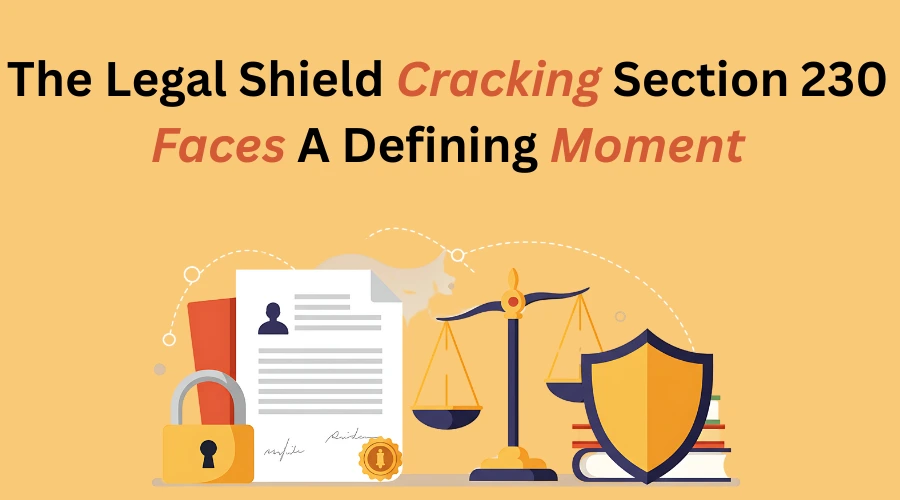
A once-obscure internet law is now under national scrutiny as lawmakers, courts, and citizens question whether Big Tech should remain immune from the content it hosts and moderates.
Section 230: From digital freedom to political flashpoint
For years, Section 230 of the Communications Decency Act quietly powered the internet revolution, granting websites broad legal protection for content posted by users. This immunity allowed platforms like Facebook, YouTube, and Reddit to flourish without fear of being sued over every comment, post, or video shared on their sites. But that once-unquestioned protection has entered the political crosshairs. Critics now argue that it either gives tech companies too much control to silence opinions or allows them to ignore the spread of dangerous content. Both left and right are calling for change—but for very different reasons.
2018: The first legislative blow
The first major dent in Section 230 came not from rhetoric but from legislation. In 2018, Congress passed the FOSTA (Fight Online Sex Trafficking Act), making platforms liable for user content that facilitates sex trafficking. It marked the first time U.S. law imposed a clear carve-out from the once-bulletproof protection Section 230 offered. To some, this was a necessary correction. To others, it was the beginning of a slippery slope.
Elections, Censorship, and the Free Speech Crossfire
The 2020 election season turned Section 230 into a political lightning rod. As social media companies took aggressive action to moderate false election claims, backlash followed. Some accused platforms of playing gatekeeper with political narratives. Former President Donald Trump and other conservative figures called for the law to be repealed, claiming it enabled ideological censorship. At the same time, others criticized the tech industry for not acting fast enough to remove harmful disinformation. The tension revealed a core dilemma: platforms are condemned both for what they leave up and for what they take down.
New legislation, new pressure: enter the earn it act
In 2021, momentum for reform continued with the introduction of the EARN IT Act a bill designed to hold tech companies more accountable for online child exploitation content. Though it doesn’t directly alter Section 230, the law forces companies to meet certain “best practices” or risk losing immunity. The message was clear: The days of blanket protection are likely numbered.
Legal showdowns test the boundaries
Beyond the legislative front, Section 230 is now being tested in the courtroom. A growing number of individuals and groups are suing platforms, arguing their content was unfairly removed or their accounts suspended without due cause. These cases are not only challenging corporate policies they’re challenging the very meaning and limits of what “platform immunity” should be in a world where online life affects real-world consequences.
What comes next: Rewrite or replace
The future of Section 230 hangs in the balance. Lawmakers are floating proposals that range from minor amendments to full-scale repeals. Some want more government oversight on moderation policies. Others warn that tampering with Section 230 could stifle free speech and innovation by making platforms overly cautious or legally vulnerable. Whatever path is chosen, one thing is certain: Section 230 will no longer operate in the shadows. It has become a central battleground in the debate over digital rights, corporate accountability, and the kind of internet society wants to preserve or reform.