You hear stories about people building wealth in real estate. Most started with zero experiencejust a big question: Where do I even begin? That's the heart of beginner property investment. Maybe you're saving up, scoping out neighborhoods, or wondering if you're about to make a massive mistake. It's normal to feel lost. But you don't have to go in blind. Here's the real talk you need to start with confidence.
What's Beginner Property Investment, Really?
It's about buying property not to live in, but to make moneyusually through rent or selling for more later. Sounds simple, right? Sort of. The basics matter. This means learning how the market works, handling your cash, and understanding what makes a good investment. Think of it as a slow game, not a get-rich-quick trick.
- It's slower than TikTok promises (but that's good)
- You don't need to be rich to start (a solid savings helps)
- Even one mistake can cost thousands (so you've got to pay attention)
If you skip the basics, you're rolling the dice. Take your time. Learn what you're doing.
Where Do You Start With Property Investment?
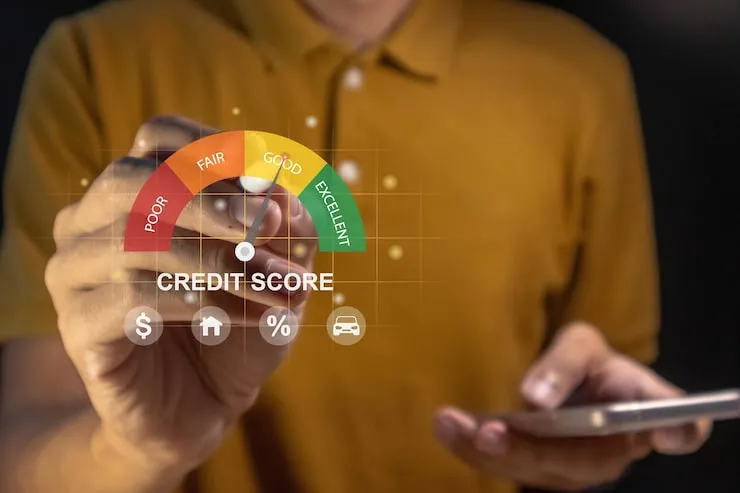
Start with your own finances. Yeah, it's boring. But if you don't know how much money you havereally haveyou can't play this game. Beginner property investment isn't about owning ten houses tomorrow. It's about not ending up broke. Check your credit score. List your debts. Figure out what you can honestly afford to invest without risking your sanity or sleep.
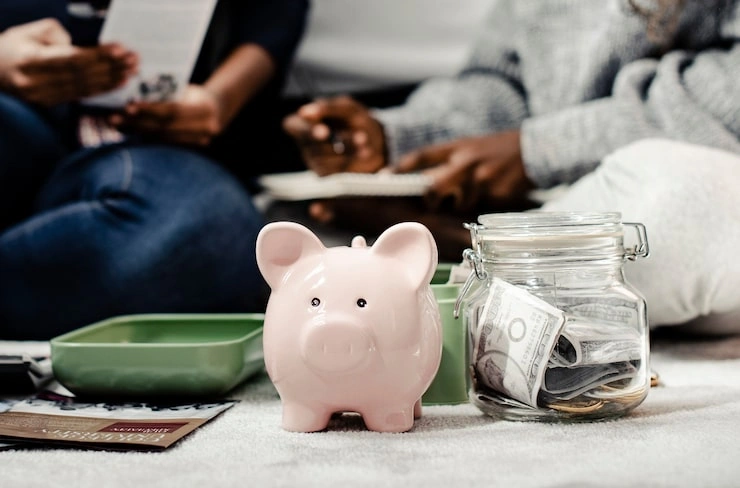
- Check your savings (and emergency fundseriously)
- Talk to your bank about mortgage options
- Make a simple spreadsheet for your monthly spending
It's not glam, but it's the step people skip the most. The ones who skip? Usually regret it.
How Do You Choose Your First Investment Property?
Smart beginner property investment means thinking about location and what people want to rent or buynot just what looks cool on Instagram. Some properties look great but never get renters. Others are plain but always full. What's the main thing?
- Safe neighborhoods with steady jobs nearby
- Close to transport, shops, or schools
- No weird money traps like hidden HOA fees
Visit the area, even if it means a drive. Ask what rent goes for. Picture the tenant you'd want. If you wouldn't want to live there, why would anyone else?
Big Mistakes Beginners Make (and How to Dodge Them)
If you want one golden property investment tip, it's this: Don't rush. The most common starter mistakes all come from hurrying or chasing easy money. What are they?
- Skipping inspections (that 'bargain' house might have big problems)
- Underestimating costs (maintenance, repairs, vacancythey add up)
- Not understanding the local rental laws or taxes
- Letting emotions, not numbers, pick your property
Step back and do the math. If the numbers don't work, walk away. It's not personal. It's business.
Should You Go Solo or Build a Team?
You can buy your first property alone. But down the line, beginner investors realize a team makes life easier.
- Agent knows the local market
- Mortgage broker finds loan deals
- Property manager handles tenants (if you don't want 3AM calls about broken pipes)
- Handyman for quick repairs
If you're good with details and love learning, you can do a lot yourself at first. As you grow, pick helpers you trust. The right team saves moneyand headaches.
What If Things Go Wrong?
No sugarcoating here: Sometimes you lose money. Tenants bail, roofs leak, or the market shifts. Even the smartest investors mess up. The key? Don't put all your cash in one basket. Keep a rainy-day fund for repairs and surprise months with no rent. If you panic now, that's okay. Fear keeps you careful. But with every problem, you learn.
- Set aside 10% of rent for repairs
- Have insurance for worst-case disasters
- Remember: One bad year isn't the end
Ask other investors what went wrong in their first year. You'll find everyone's got horror stories and funny lessons. That's part of the deal.
How Long Does It Take to See Real Results?
Beginner property investment is a long game. In your first year, you might make very little (or nothing). You're learning, setting things up, and paying costs. The real rewards show up over time. Rents go up. The mortgage goes down. In a few years, you really feel the difference. If you want instant cash, look somewhere else. If you want steady growth, stick with it.
- The first 12 months is about not losing money
- Year 2 or 3 is when things start smoothing out
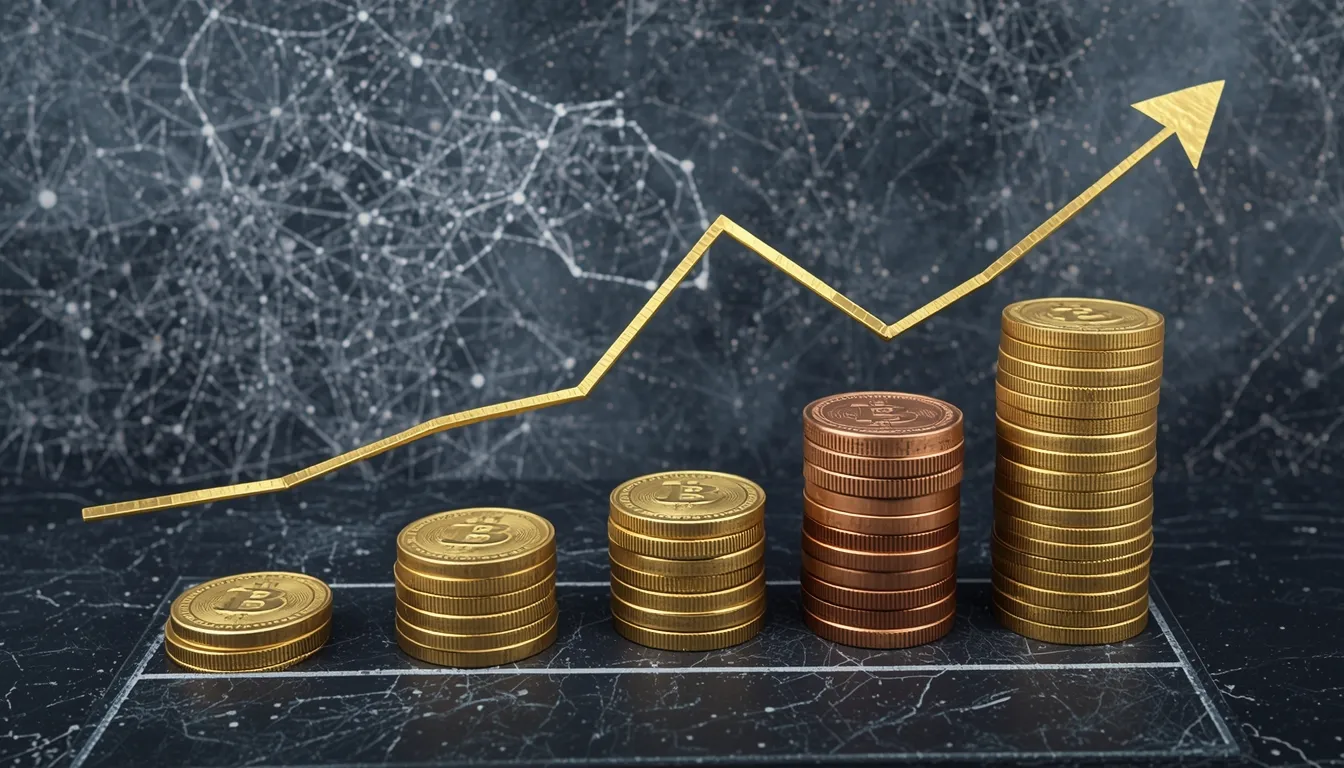
- Five years in, you see serious gains
Don't compare yourself to the stories online. Most skip the tough beginnings and brag about the ending.
FAQs About Beginner Property Investment
- How much money do I need to start investing in property?
Theres no magic number, but most beginners save up at least enough for a 10-20% down payment, plus extra for fees, repairs, and emergencies. Start small and dont risk everything on your first deal. - Can I invest in property if I have bad credit?
Its harder, but not impossible. You might need a bigger deposit or a co-signer. Try paying down debts first and check your credit report for mistakes you can fix quickly. - What are common costs first-time investors forget?
Beginners often forget about property taxes, insurance, routine maintenance, tenant turnover costs, and unexpected repairs. Budget for more than just your loan payment so youre not caught off-guard. - Should I buy a house or apartment as my first investment?
Both can work. Houses usually need more upkeep but can attract families. Apartments might need less fixing up. Look at the market in your area to see which rents better and suits your budget. - How do I spot a good investment property?
Check if rent covers the mortgage and costs, see if the area has low vacancy rates, and look for signs the neighborhood is improving. Talk to local agents and visit in person before deciding. - Is it better to manage the property myself or use an agency?
Managing it yourself saves cash but takes time and patience. An agency costs more but handles tenant calls, repairs, and finding renters. Choose what fits your comfort and schedule best.
Starting beginner property investment is scary at first, but it's like learning to ride a bike. The first pedal is shaky and you might fall. But each month gets easier. Don't overthink itrun your numbers, start small, and give yourself room to learn. Down the road, youll be glad you took that first step.