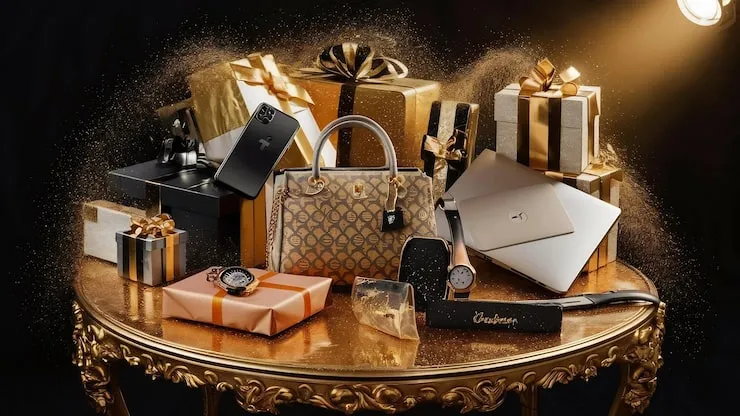
When Mia inherited her grandfather’s vintage Rolex, she didn’t just inherit a watch—she inherited a fortune. Over the years, that Rolex appreciated far faster than she expected. Turns out, luxury items investing isn’t just for billionaires. Watches, handbags, rare wines, and even certain sneakers are becoming serious assets that grow in value while you enjoy them—or at least appreciate silently in your safe.
If you’re curious about putting your money into tangible assets beyond stocks or real estate, we’ll break down which luxury items are appreciating fastest, how to invest wisely, and what pitfalls to avoid.
Why Luxury Items Can Be Smart Investments
Luxury items have intrinsic and market value. Unlike digital assets or stocks that fluctuate wildly, tangible luxury often appreciates due to scarcity, brand prestige, and collector demand.
Why it matters: With inflation and market volatility, owning luxury assets can diversify your portfolio and protect wealth.
How to invest:
-
Focus on iconic brands and limited editions
-
Learn the market trends for each category
-
Buy from reputable sources to ensure authenticity
What could go wrong: Fakes, overpaying, or investing in items that lose relevance. Research is crucial.
Top Luxury Items Appreciating Fast
1. Watches
-
Brands like Rolex, Patek Philippe, and Audemars Piguet dominate
-
Limited editions often double or triple in value over a decade
-
Condition, provenance, and rarity matter more than age
Example: A 1970s Rolex Daytona bought for $2,500 today can fetch over $200,000. That’s some serious appreciation.
2. Handbags
-
Hermès Birkin and Kelly bags are gold standards
-
Limited editions, collaborations, or vintage pieces increase in value
-
Condition and authenticity certificates are key
Mini takeaway: Some handbags outperform traditional investments, especially when sold at auctions.
3. Fine Art
-
Paintings, sculptures, and prints from renowned artists
-
Emerging artists’ works can skyrocket in value if they gain recognition
-
Auctions and galleries track market trends
Tip: Art investing requires patience and understanding of the artist’s career trajectory.
4. Rare Wines and Spirits
-
Bordeaux, Burgundy, or Japanese whiskies often appreciate over time
-
Storage conditions affect value—humidity, temperature, and light matter
-
Limited editions and vintages are highly sought after
Personal note: I bought a rare 1996 Bordeaux. Ten years later, its value tripled, and drinking it feels like celebrating an investment win.
5. Collectible Sneakers
-
Limited releases from brands like Nike and Adidas
-
Collaborations and hype editions drive rapid appreciation
-
Condition, box, and authenticity are crucial
Mini takeaway: Sneaker flipping isn’t just hype—it’s now a legitimate alternative investment for younger collectors.
How to Invest Wisely in Luxury Items
-
Do your homework: Research brands, editions, and historical trends
-
Verify authenticity: Certificates and reputable sellers prevent fraud
-
Track the market: Follow auctions, resale platforms, and collector communities
-
Maintain items carefully: Storage, cleaning, and insurance matter
-
Be patient: Luxury appreciation is often slow and steady, not overnight
Pro tip: Don’t invest blindly. Passion + knowledge = profitable and enjoyable investment.
Common Mistakes in Luxury Investment
-
Buying purely for trend hype
-
Overpaying due to scarcity panic
-
Ignoring storage or maintenance, which can destroy value
-
Forgetting authenticity checks—fakes are everywhere
Mini takeaway: Approach luxury investing like you would any serious portfolio—strategy, research, and patience.
Why Luxury Items Are Becoming Hotter Investments
-
Global demand from collectors is rising
-
Limited editions create scarcity that drives prices up
-
Tangible assets act as a hedge against market fluctuations
Perspective: Luxury items are enjoyable in themselves. Even if the market fluctuates, wearing a vintage watch or displaying rare art adds value beyond money.
FAQs
Q1: Can anyone invest in luxury items?
Yes. You don’t need a fortune, but starting with reputable, mid-tier collectibles is smarter than jumping straight to ultra-expensive pieces.
Q2: How do I know which items will appreciate?
Research historical trends, track auctions, and monitor collector communities. Scarcity and brand recognition are good indicators.
Q3: How long does it take for luxury items to appreciate?
Typically, 5–10 years, depending on the item, rarity, and market demand. Patience is key.
Q4: Is it risky?
All investments carry risk. Luxury items can lose value if trends fade, items are damaged, or fakes enter the market.
Q5: Should I insure luxury investments?
Absolutely. High-value items need insurance to protect against theft, damage, or loss.
Q6: Can I liquidate luxury items easily?
Yes, through auctions, resale platforms, or private sales—but timing and market conditions affect the price you get.
Final Thoughts
Start small, focus on items you understand, and enjoy the process. Luxury items investing can grow your wealth while letting you experience beauty, craftsmanship, and exclusivity. Research, patience, and authenticity checks are your keys to turning collectibles into real financial gains.