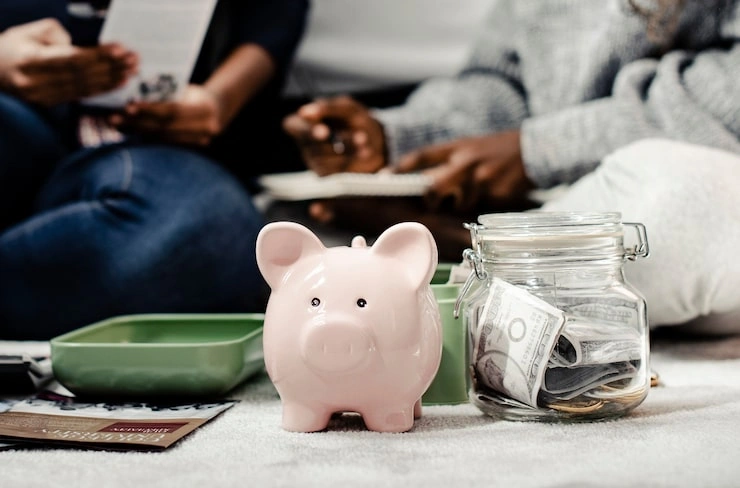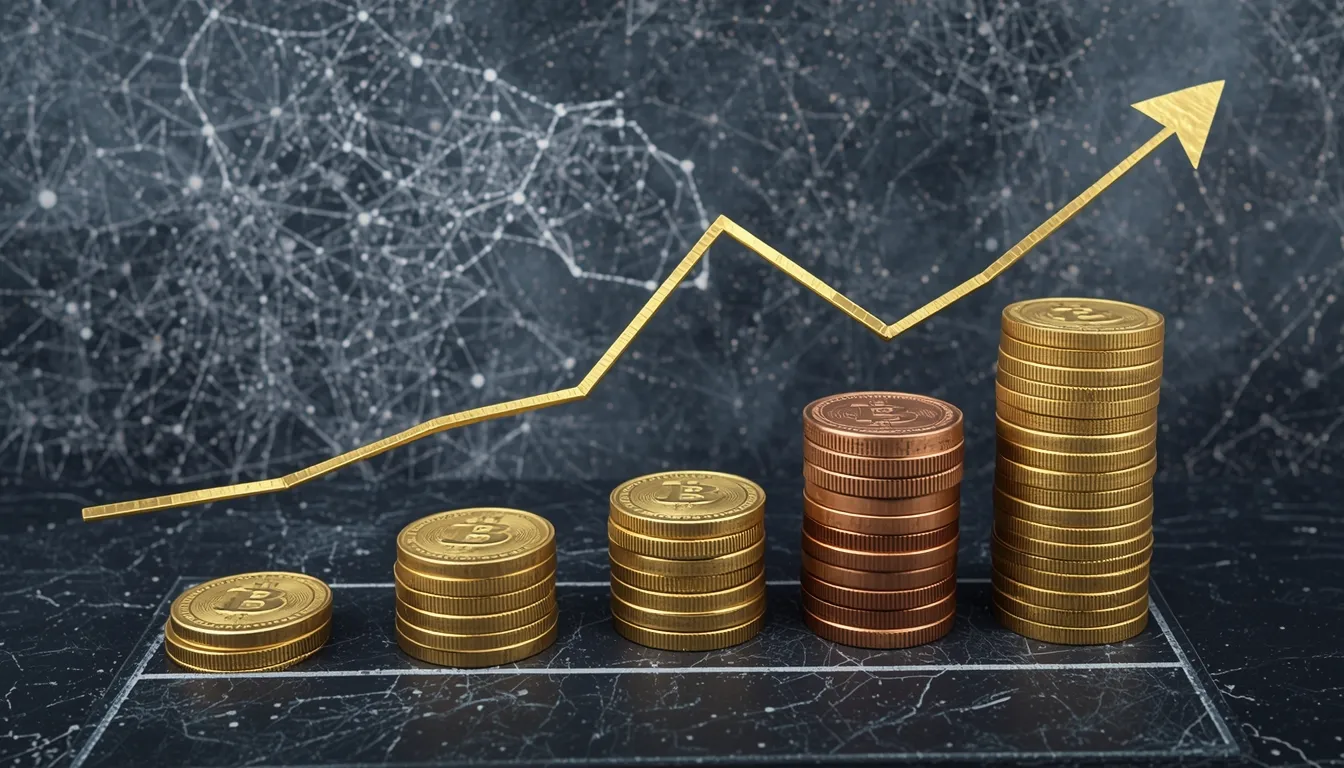
If you've ever wished your money could work harder than you do, you're not alone. The secret? It's all about picking the best appreciating assets. These aren't just things that sit therethese are real-world investments that often climb in value, helping regular people turn small amounts into big wins over the years. You don't need a finance degree or a fat bank account to get started, but you do need to know what actually works and what sounds good but flops. Let's talk about what assets really have the power to make your future self say, 'I'm glad I did that.'
What Are Appreciating Assets (And Why Should You Care)?
At its core, an appreciating asset is something you buy that typically grows in value. These aren't gadgets or new carseven if they're shiny. We're talking about assets that increase in value over time, maybe slowly but steadily, or sometimes with big jumps. The main point is, they're not losing value every year like most of the stuff in your garage.
- They help protect your money from losing buying power (thanks, inflation).
- They can offer high return investments if you play it smart.
- Often, they're key to long term asset growth and building real wealth.
The catch? Not all assets go up. There are risks with everything. But choosing the right types is how some people get ahead without a six-figure salary.
Which Assets Usually Appreciate Like Crazy?
- Real Estate: Your home, rental properties, or even land can go way up in value over time. There's only so much land, and people always need a place to live or work. Example: Grandma bought her house for $50,000. Thirty years later? It's worth $500,000.
- Stocks: Owning a piece of big companies can pay off. Think Apple, Amazon, or even steady index funds (which are bundles of lots of companies). Stocks can swing up and down, but over decades, they've made a lot of regular folks rich.
- Collectibles: Some surprises herewatches, rare sneakers, art, and vintage cars. Buying the right items (not just anything 'old') sometimes leads to serious profits. But, this takes research or some luck.
- Business Ownership: Ever started a small business or bought into one? That business can grow, get bought out, or make you steady cash while increasing its own worth.
- Education and Skills: It might sound odd, but what you learn can be the best appreciating asset there is. Meaning, an in-demand skill often leads to higher pay in the future.
Each one pays off differently. Some are slow-growth, some are roller coasters, but all have created wealth for everyday people.
How Can You Spot the Best Appreciating Assets?
Not everything that 'could' go up will. Here are some clues that you're looking at strong appreciating investment options:
- There's a limited supply (land, rare art, unique sneakers).
- Lots of people want it, or will in the future (housing in good cities, in-demand stocks).
- It produces something people need (business that solves a real problem).
- It holds value over time (classic cars, gold, timeless skills).
Don't buy something hoping it's the 'next big thing' unless you really get it. FOMO (fear of missing out) is a real wealth killer.
What Could Stop Your Assets from Appreciating?
Even the best plans have risks. Here's what trips most people up:
- Buying at the wrong time: Everyone's talking about a certain asset? Prices may already be sky-high.
- Neglecting maintenance: Rental house falling apart or classic car rusting? Value drops fast.
- Not doing your homework: Buying stocks just because someone on social media hyped it up is a classic way to lose money.
- Forgetting liquidity: Some assets are tough to sell quickly when you need cash (like real estate or art).
The biggest mistake? Thinking every asset appreciates. The truth is, some go cold for years or never bounce back. That's why you spread your betsbuy different types, not just one.
How Much Should You Invest in Appreciating Assets?
This part trips a lot of people up. If you're starting out, you don't need thousands. You can start with:
- A small amount in a stock investing app (even $10 at a time with some brokers).
- Saving for a down payment on a home or investment property.
- Buying one solid collectible per year, once you know the market.
- Taking classes or certifications in something that's actually hiring right now.
The best move? Invest what you can leave alone for at least five years. Money you need next month doesn't belong here. Patience gives these assets time to grow.
Real-Life Wins (And Fails) with Appreciating Assets
Everyone loves a good win. Here's one:
- Stock Triumph: Mike put $100 a month into index funds during his twenties. Now, at 40, he's got enough to take a mini-retirement soon. It wasn't flashy, but it worked.
Now, a flop:
- Collectible Crash: Jen spent $5,000 on limited-edition shoes based on hype. Years later, styles changed and interest dipped. Now, she can't even sell them for what she paid.
What's the lesson? Winning with appreciating assets isn't luckit's picking long-term trends, not short bursts of popularity.
Which Appreciating Asset Is Right for You?
This depends on your goals, patience, and risk tolerance. Here's a quick breakdown:
- Want steady growth? Go for a mix of index funds and real estate.
- Like excitement and have extra cash? Look into collectibles, but don't bet rent money.
- No time to learn new markets? Focus on your own skills or a side business.
Your investing personality shapes what fits you best. There's no perfect answer for everyone.
How to Avoid Regretting Your Investment Choices
You don't need a crystal balljust a little planning and honesty with yourself. Before you jump in, ask:
- Can I leave this money alone for years?
- Would I want to own this if the price dropped tomorrow?
- Do I actually understand how this asset could make me money?
If you can't answer yes, wait until you can. You'll thank yourself later.
KEY TAKEAWAY
The best appreciating assets do their thing for you in the background, growing over time while you go about your life. Start with what you understand, add more as you learn, and focus on long-term growth. It's not about luckit's about smart, steady choices.
FAQs About Appreciating Assets
- What are the best appreciating assets for beginners?
Stocks (especially index funds), entry-level real estate (like a starter home or a small rental), and boosting your own skills are top picks. They offer long term asset growth without needing expert knowledge right away. - How risky is it to invest in assets that increase in value?
All investments come with risk. Stocks can drop, real estate values can fall, and collectibles can go out of style. The key is not betting everything on one thing and giving your investments time to grow. - Can collectibles really be a high return investment?
They can, but they're risky. Some people make a lot from things like rare sneakers or art, but most don't. Invest small amounts you can afford to lose and learn the market before spending big money. - How long does it take for appreciating investment options to pay off?
Usually, real asset growth happens over years, even decades. Stocks can have short-term ups and downs, but big gains often take patience. Real estate and personal skills can take time too, but they're worth it if you stick with it. - What shouldI avoid when picking the best appreciating assets?
Skip anything you don't understand, assets hyped up on social media, or investments you can't sell if you need cash in a hurry. Focus on proven long term asset growth, not short-term excitement. - Is real estate always a good investment?
No asset is always good. Real estate usually appreciates, but there are times and places it can lose value. Do your research, buy in solid areas, and plan to hold for several years to lower risk.