


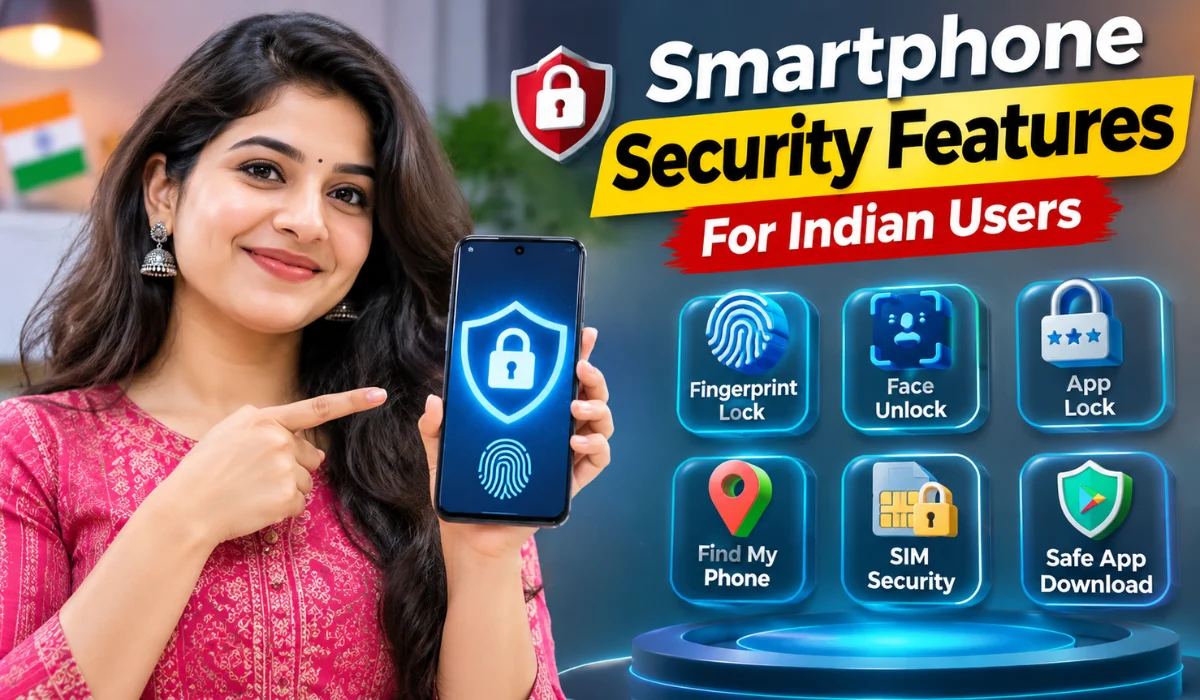
Phones are tiny computers that live in your pocket. In India, millions of people use smartphones every single day to chat with family, buy groceries, watch videos, and send money through apps like UPI. Because your phone holds your entire life, keeping it safe is very important. Cyber criminals look for weak spots to steal money or personal details. Learning about Smartphone Security Features For Indian Users helps you stay one step ahead of online cheats. This guide explains everything you need to know in simple words so you can lock down your device like a pro.
What Are the Essential Smartphone Security Features For Indian Users?
When you buy a new phone, it comes with built-in tools designed to protect your data. These tools act like a digital shield around your personal space. Knowing What are the best smartphone security features for Indian users? is the first step toward total peace of mind. Most modern Android and iOS devices feature hardware-backed encryption. This means your photos, chats, and passwords turn into secret codes that outsiders cannot read, even if they physically take your phone apart. Screen locks, secure boot chains, and built-in permission managers also stop bad actors from getting inside. When you turn on these features, you make it very hard for hackers to cause trouble.
Understanding Cyber security for mobile phones in Daily Life
Cyber security for mobile phones sounds like a big, difficult phrase, but it simply means keeping your phone safe from digital germs and thieves. Think of your phone like your house. You do not leave your front door wide open for strangers, right? You lock the door and check who is knocking.
The same rule applies to your mobile device. Every time you connect to public Wi-Fi at a local cafe or download a game from the internet, you open a small door. Good cyber security habits help you close those doors quickly. Simple actions, like turning off Bluetooth when you do not need it, keep invisible hackers away from your personal files.
Read Also: Energy Efficient Smartphones In India: Best Battery Backup
Top 10 Smartphone Security Features For Indian Users That Everyone Needs
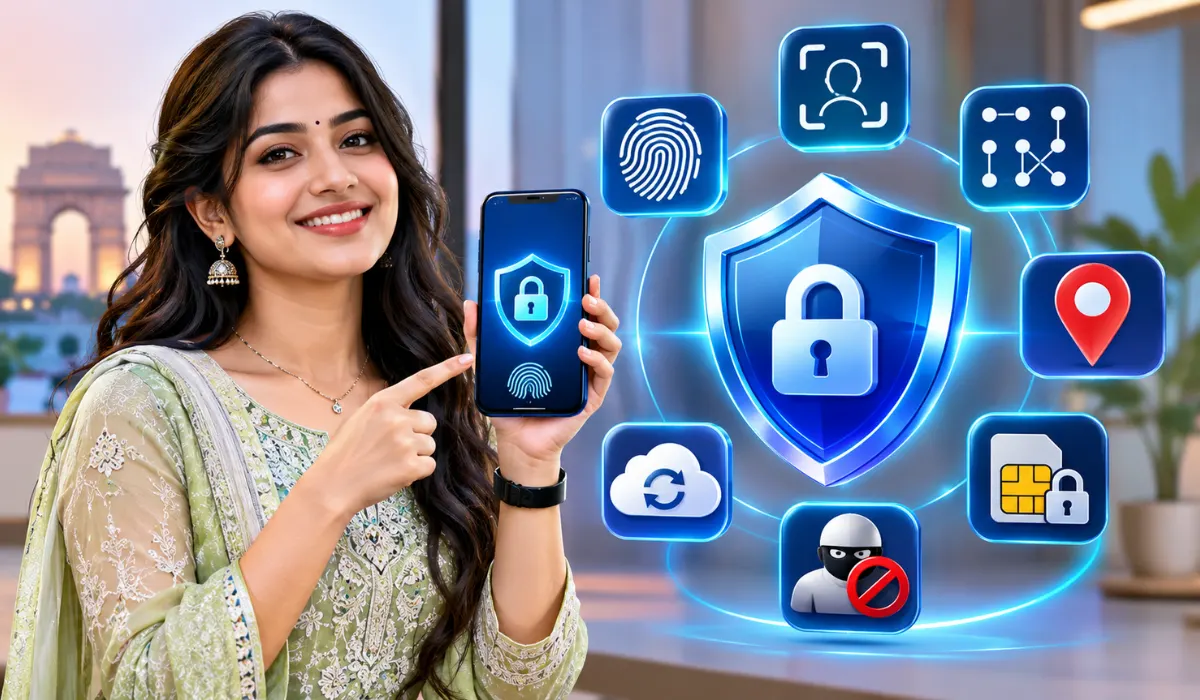
To keep your digital life secure, you need to know which tools matter the most. Here are the top features you should check on your device right now:
- Biometric Locks: Fingerprint scanners and facial recognition keep your phone locked tight.
- App Permissions Manager: Lets you control which apps can see your camera or contacts.
- Two-Factor Authentication (2FA): Adds an extra layer of defense when logging into accounts.
- Find My Device / Find My iPhone: Helps you track, lock, or erase your phone if it gets lost.
- Automatic Security Updates: Fixes hidden bugs before hackers can find them.
- Google Play Protect / Apple App Shielding: Scans downloaded apps for viruses and malware.
- Secure Folders / Private Spaces: Hides sensitive photos and banking apps behind a secondary password.
- Wi-Fi and Bluetooth Security Filters: Warns you when a public network looks unsafe.
- Sim Card Lock (PIN): Stops someone from putting your SIM card into another phone to steal OTPs.
- Remote Wipe Feature: Cleans all your data if your phone is stolen beyond recovery.
Fingerprint security features for Android smartphones and Biometrics
Passwords can be guessed, but your body parts are unique. Fingerprint security features for Android smartphones provide a fast and secure way to unlock your screen and approve payments. When you press your finger on the scanner, the phone reads the tiny swirls and lines on your skin. It turns that picture into a mathematical code stored safely inside a secure chip. No app on your phone can steal your actual fingerprint picture. Always use your fingerprint or face scan alongside a strong PIN code for maximum safety.
Smartphone security features for Indian users and Safe Banking Apps
India leads the world in digital payments. Because apps handle daily transactions, Smartphone security features for Indian users must include robust banking app safeguards. Modern smartphones use isolated hardware areas—such as Apple's Secure Enclave or Android's Knox Vault—to run payment apps safely. This means that even if a shady app enters your phone, it cannot read your UPI PIN or bank passwords. Always make sure your banking apps are downloaded from official stores and have biometric login turned on.
How can you protect your smartphone from online scams in India?
Scammers in India use clever tricks like fake text messages, lottery wins, and fraudulent KYC alerts to fool people. How can you protect your smartphone from online scams in India? The answer lies in awareness and built-in filtering tools.
Modern phones come with automated spam detectors in text messaging and phone call apps. These tools flag unknown numbers and warn you if a link looks dangerous. Never click on random links sent via SMS about electricity bills, bank account blocks, or prize wins. If an offer sounds too good to be true, it is usually a trap.
Smartphone anti-theft features available in India
Losing a phone on a crowded train or market street is stressful. Thankfully, Smartphone anti-theft features available in India give you a fighting chance to recover or protect your device. Tools like Google’s Find My Device network and Apple's Activation Lock make stolen phones completely useless to thieves. If your phone gets snatched, you can log into another device, put your phone in lost mode, or trigger a loud alarm. If recovery is impossible, you can remotely wipe all your personal data so strangers cannot misuse your photos or bank details.
Smartphone malware protection features for Indian users
Malware is a bad computer program designed to spy on you or steal your passwords. Smartphone malware protection features for Indian users work quietly in the background to catch these threats.
Android phones use Google Play Protect to scan every app you install, while iPhones use strict app sandboxing to keep programs separated. Never download apps from random websites outside the official app store. Sideloaded apps often contain hidden malware that can record your screen or steal your OTP codes.
Read Also: Best Fast Charging Mobile Phones In India: Ultra-Fast Smartphones
Advanced smartphone privacy settings for Indian users
Once basic security is set, you should look deeper into your device settings. Advanced smartphone privacy settings for Indian users help stop companies and trackers from watching your every move. Go to your phone settings and review app permissions. Does a simple flashlight app really need access to your phone's microphone or location? Absolutely not! Turn off permissions for apps that do not need them. Also, turn off ad tracking and limit background data usage for apps you rarely use.
Mobile data protection and privacy control
Your personal data is valuable. Mobile data protection and privacy controls ensure that your private messages, photos, and documents remain private. Turn on full-disk encryption in your phone storage settings. If your phone ever falls into the wrong hands, encrypted data looks like gibberish code without your lock screen password. Use secure cloud backups that use end-to-end encryption so even cloud server workers cannot peek at your family photos.
Mobile device tracking and recovery systems
Knowing where your device is brings great comfort. Mobile device tracking and recovery tools use GPS and nearby device signals to locate lost gear. Make sure location services and offline finding networks are turned on in your settings. Even if your lost phone is turned off or has no internet connection, other nearby smartphones can help bounce its signal back to you securely.
Why Smartphone security updates and patch management Matter Most
Many people ignore update notifications because they find them annoying. However, Smartphone security updates and patch management are your strongest armor against hackers. Software engineers constantly discover new security holes in operating systems. When they find a hole, they release a patch to fix it. If you do not update your phone, you leave your front door unlocked with an old rusty lock. Turn on automatic updates so your phone patches itself while you sleep.
Smartphone security features to prevent online fraud with UPI and Digital Wallets
Digital transactions make life easy, but they also attract cyber thieves. Smartphone security features to prevent online fraud are built directly into modern payment ecosystems. Features like real-time transaction alerts, device binding, and app runtime protection ensure that UPI apps only run on your verified device with your physical SIM card inside. Never share your screen using third-party apps when someone calls claiming to be a bank helper. Banks will never ask you to share your screen or read your OTP codes over the phone.
Why should Indian users enable two-factor authentication?
A password can be guessed or leaked in a data breach. Why should Indian users enable two-factor authentication? Because it adds a second lock to your digital doors. Even if a hacker steals your password, they cannot log into your email or social media accounts without the second code sent to your authenticator app or phone number. Prefer using authenticator apps over simple text message codes, as text messages can sometimes be intercepted by clever scammers.
Best smartphone security features for indian users for Account Protection
Utilizing the Best smartphone security features for indian users means combining passkeys, biometric logins, and hardware security keys. Passkeys are a modern replacement for passwords. Instead of typing a complex word, your phone uses your fingerprint or face scan to log you safely into websites. Passkeys cannot be stolen by phishing websites because they only work on the official website domain.
Read Also: Best Lightweight Mobile Phones In India: Slim And Featherlight Picks
Expert Opinions on Modern Mobile Safety
Industry leaders and cyber security researchers frequently share insights on how mobile threats evolve. Security experts note that human error remains the biggest loophole in digital safety.
"Technology can build the strongest walls, but safety begins with user awareness. Never share your OTP, verify app permissions, and treat every unexpected link with extreme caution." — Dr. Alok Sharma, Cyber Security Analyst & Digital Safety Researcher
Another prominent voice in tech protection highlights the role of device hygiene:
"The rise of AI-driven scams means phishing messages look more convincing than ever. Enabling multi-factor authentication and keeping software updated are non-negotiable habits for every smartphone owner today." — Neha Verma, Mobile Security Consultant
Frequently Asked Questions
What is the single most important security step for my phone?
Enabling a strong screen lock (like a 6-digit PIN or biometric fingerprint) combined with Two-Factor Authentication on your primary accounts provides the strongest baseline protection.
Are budget smartphones safe to use for online banking in India?
Yes, as long as the manufacturer provides regular security updates and you download apps exclusively from official stores like Google Play or the Apple App Store.
What should I do if I accidentally click a suspicious phishing link?
Immediately disconnect your phone from the internet (turn on Airplane Mode), run a full virus scan using a trusted security app, change your vital passwords, and check your bank statements for unauthorized activity.
How do I stop random spam calls and fraudulent text messages?
Turn on built-in spam protection features in your phone's dialer and messaging apps, and register your mobile number with official telecom DND (Do Not Disturb) services.
Does public Wi-Fi put my banking data at risk?
Yes, public Wi-Fi networks are often unsecured. Avoid logging into banking apps or entering sensitive passwords while connected to public hotspots unless you use a secure Virtual Private Network (VPN).