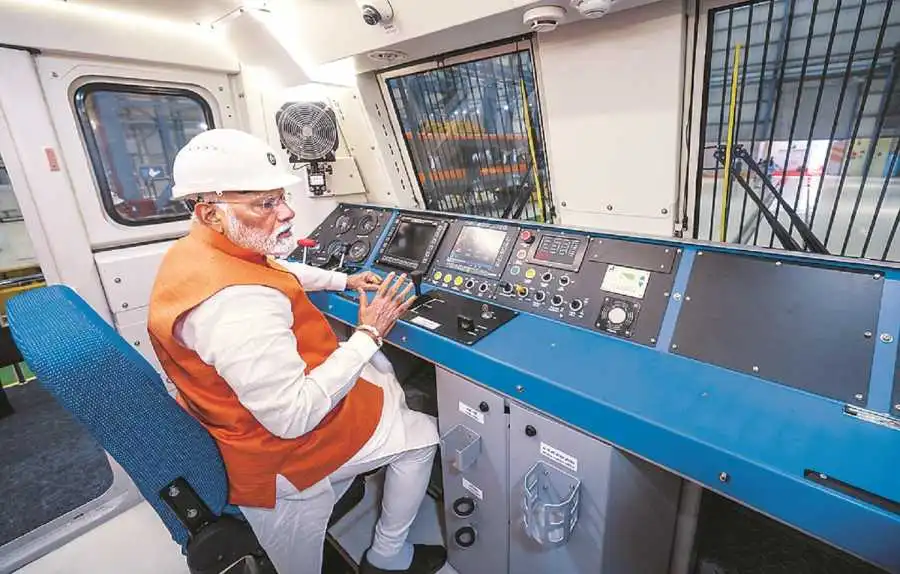
Deep in the heart of Gujarat, the town of Dahod has quietly made its way onto India’s industrial map with something big: a brand-new locomotive manufacturing plant. But this isn’t just any factory; it’s where India’s first D-90 electric engine recently rolled out, catching the attention of the entire nation.
With the D-90 now a reality, the region is being eyed as a center for high-powered electric engine production that could change how India moves goods and people. This engine? It's the outcome of a solid team-up with Alstom—yeah, the big rail-tech company from abroad. They brought their top-tier brain smarts, and we matched it with our homegrown muscle.
What’s cool is, it wasn’t just made for some generic use—it’s built to handle what India throws at it. Hilly routes, endless heat, tight schedules—this machine’s ready. And here’s the kicker: it doesn’t just “meet” the international guys—it gives them a run for their money. Best part?
Since Dahod made it, we don’t have to wait on anyone overseas if something breaks or needs tweaking. We’ve got it all here, under one roof. The design fits India’s unique geography—whether it’s winding hills or flat lands baked in the summer heat.
But here’s the thing: it’s not just following global standards—it’s actually going toe-to-toe with them. And because it’s built right in Dahod, there’s no need to run abroad for upgrades or fixes. Everything from repairs to future improvements can be handled right here, on home turf.
The Birth of the D90: A Powerhouse on Rails
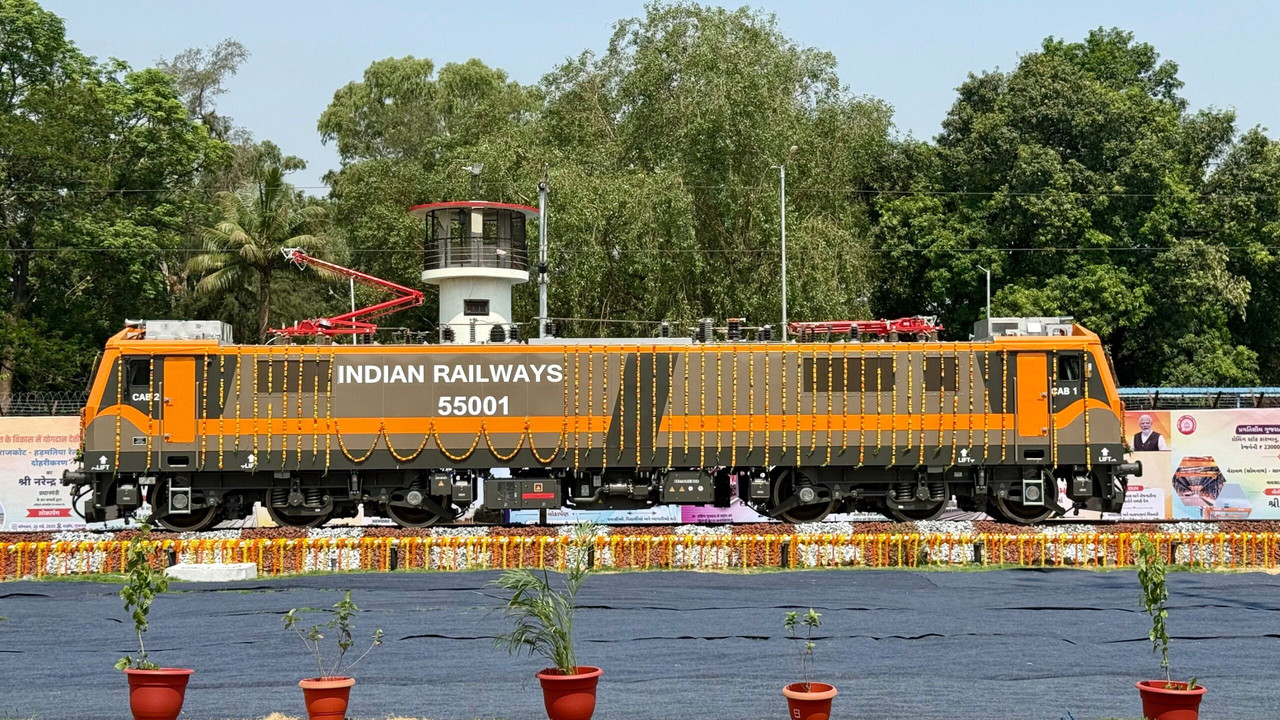
Let’s talk about the real star here: the D-90 electric locomotive. This isn’t your typical train engine. This beast is designed to pull some of the heaviest freight loads over long distances and do it cleanly with zero emissions.
The name “D-90” itself hints at its massive 9,000 horsepower strength, which is significantly higher than most existing engines in the Indian fleet. This engine is built for the future, fully electric, faster acceleration, and advanced control systems that make it safer and more efficient.
Dahod Transformed: Jobs, Skills, and Industry
Before the plant was set up, Dahod was better known for its tribal heritage and rural surroundings. But now, it’s seeing a steady shift. Thousands of skilled and semi-skilled jobs have opened up since the project’s start. Engineers, welders, electricians, and machine operators from nearby districts have found meaningful employment here.
Local youth, who once had to migrate to metro cities for factory work, now find stable careers much closer to home. What’s more, several vocational institutes and ITIs are collaborating with the plant to train future workers. There’s also an important social shift.
With women being hired in many technical roles, the plant is challenging long-held employment norms in rural Gujarat. Training sessions, workshops, and skilling programs have not just boosted employment; they’ve changed how people think about the type of jobs that exist. This goes beyond economics. It touches family incomes, local schooling, and overall community pride. Dahod isn’t just making locomotives; it’s making history, one engine at a time.
The Electric Future: Green and Efficient Transport
Why is everyone suddenly talking about electric trains? It’s not just a tech buzz—it’s a real shift. See, a lot of trains in India still run on diesel, and that stuff isn’t cheap, plus it pollutes the air like nobody’s business. The new electric engines, like the D-90, are a step toward cleaner railways. They’re faster, quieter, and don’t chug out smoke.
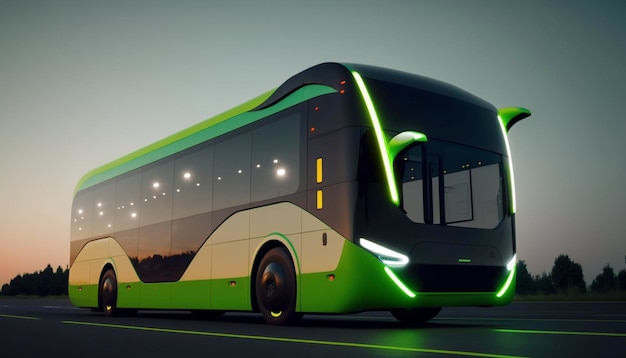
They also save a good chunk on fuel, which means money stays in the system instead of going up in smoke. Indian Railways wants to cut out carbon completely by 2030, and this move pushes that goal forward. Now, let’s talk about Dahod’s plant—it’s not just building engines; it’s doing it smart.
Solar panels cover the roofs, and water gets reused right in the plant. It’s not just lip service to climate goals; this place actually practices what people usually just preach. India’s often made big green promises, but here’s something real. Announcements are easy—building something that actually helps the planet? That takes effort. And this time, they’ve done just that.
What This Means for India’s Transport Landscape?
The launch of the D-90 electric engine is not just a Gujarat story; it’s a national milestone. With faster production cycles expected in the coming months, India could see hundreds of these engines deployed across key freight corridors like the Eastern and Western Dedicated Freight Corridors.
These routes are critical for moving everything from coal and steel to food and consumer goods. A powerful, home-built engine like the D-90 ensures timely, cost-effective, and greener deliveries. But even beyond logistics, there’s a larger picture. When India builds engines like this in its own backyard, it reduces its dependency on expensive imports.
It sends a message globally: that India can build at scale, innovate at speed, and deliver at quality. For Gujarat it also means positioning itself as a serious contender in railway innovation. Dahod, once just a name on the map, may soon become synonymous with next-gen locomotives the way Detroit became linked with cars.
Final Thoughts
The D-90 engine rolling out of Dahod isn’t just a technical success; it’s a signal of transformation. Gujarat’s focus on modern transport, job growth, and green industry is creating ripples fr beyond its borders. The locomotive may weigh tons, but it’s carrying the hopes of many, from railway workers to policymakers, and setting the track for a better, faster, cleaner future.