International News: In recent years, Kazakhstan has witnessed a significant shift in its approach toward religious and cultural practices, particularly concerning the issue of face coverings. The government of Kazakhstan has imposed a ban on wearing face veils, such as the niqab, in public spaces, sparking debates about religious freedom, cultural identity, and national security. This move has drawn attention both domestically and internationally, with various groups offering contrasting perspectives on its implications.
The Rationale Behind the Ban
The ban on face veils, especially the niqab, was introduced by the government as part of broader efforts to promote social integration and security. Authorities argue that the face coverings could hinder the identification of individuals, thus posing a potential security risk. Additionally, the government claims that the ban is a step toward promoting a more open and cohesive society. According to the state, the ban helps maintain public order and protect the rights of individuals who might feel intimidated or excluded by those wearing face veils in public spaces.
Religious and Cultural Implications
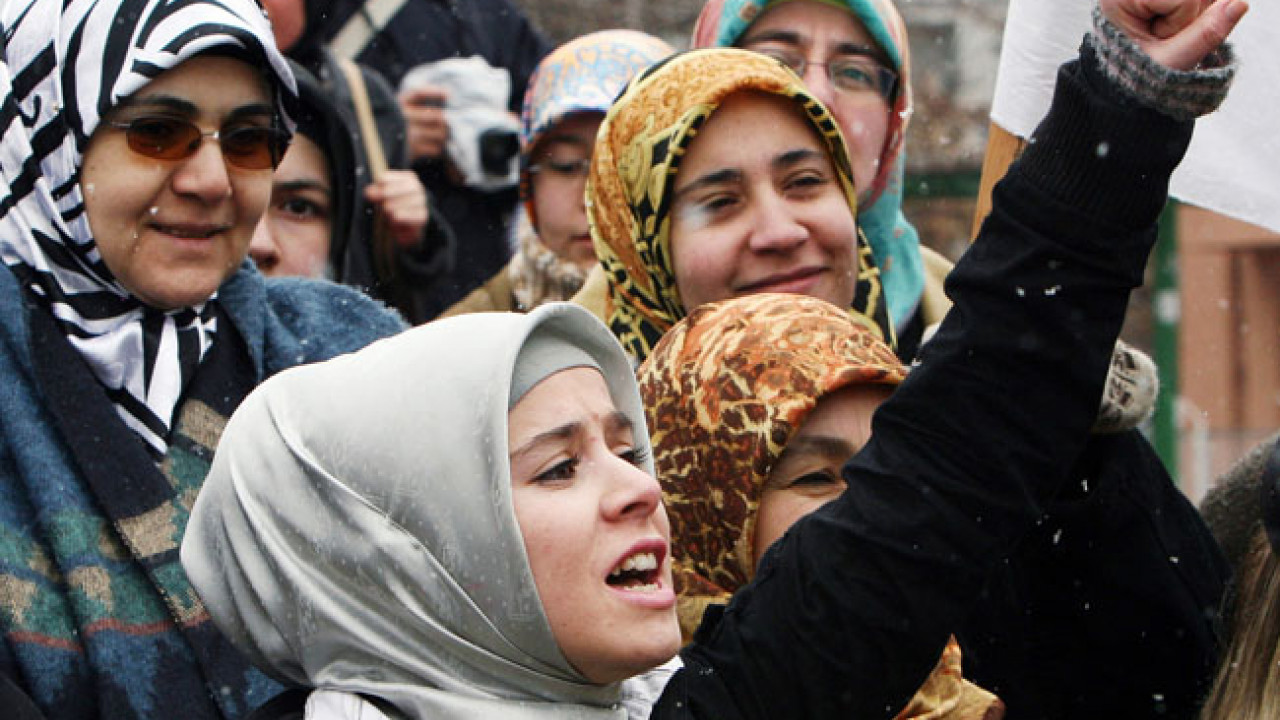
For many Muslims, wearing the niqab is an important religious and cultural practice that signifies modesty and devotion. The ban, therefore, has led to a clash between the government's policies and religious freedoms. Critics argue that this prohibition infringes upon the right to practice religion freely and could alienate Kazakhstan’s Muslim population, which makes up a significant part of the country’s demographic. Additionally, some view the ban as a way of imposing a Westernized cultural standard upon a diverse society that includes individuals with deep-rooted Islamic traditions.
Social Divisions and Controversy
The ban has resulted in significant social and cultural divisions within Kazakhstan. On one hand, proponents of the policy believe that it promotes unity and encourages people to adopt more secular norms in public spaces. On the other hand, opponents of the ban argue that it stigmatizes Muslim women who choose to wear face coverings as part of their religious practice. These differing viewpoints have created tensions, with some calling the ban a form of discrimination and others arguing that it is a necessary step for societal harmony.
International Reactions
Internationally, the ban has received mixed reactions. Human rights organizations have expressed concerns about the violation of religious freedom and the potential marginalization of Muslim women. Countries with more liberal policies on religious expression have also criticized the move, claiming that it undermines the principles of individual freedom and choice. However, some nations with similar policies, such as France, have expressed support for Kazakhstan’s decision, citing national security and the need for integration.
Political Context and Government Support
The ban is part of broader political strategies implemented by Kazakhstan’s government to consolidate power and maintain control over a diverse society. President Kassym-Jomart Tokayev has emphasized the importance of state unity and national security in his leadership. While the government asserts that the law is designed to protect social cohesion, critics argue that it may be politically motivated, aiming to appease more secular segments of the population and strengthen the government’s standing in the global arena.
Impact on Kazakhstan's Muslim Women
The impact of the ban is most deeply felt by Kazakhstan's Muslim women, many of whom see the niqab as an important part of their identity. For these women, the ban can be seen as a form of marginalization, as they may be forced to choose between their religious beliefs and their participation in public life. The prohibition could lead to a rise in social exclusion, with women who wear the niqab facing discrimination in both public and private spheres.
Striking a Balance
The debate surrounding the face-covering ban in Kazakhstan highlights the challenge of balancing national security, social cohesion, and individual freedoms. While the government’s stance focuses on unity, critics argue that it undermines the rights of Muslim women to freely express their religious beliefs. As Kazakhstan moves forward, it will be crucial for the government to engage in dialogue with its diverse population to find a solution that respects both the principles of religious freedom and the need for public safety.