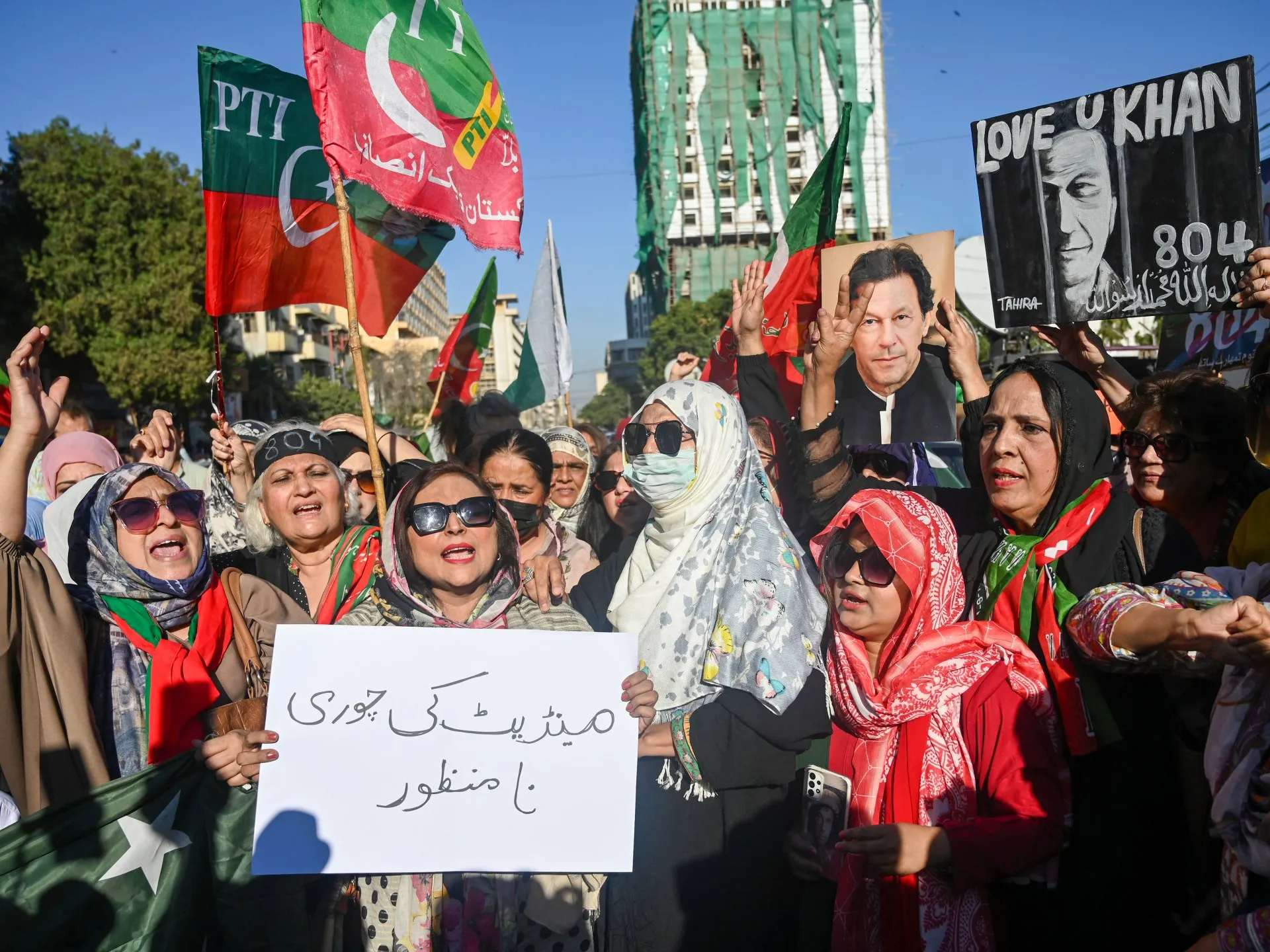
Pakistan's 2024 general elections have become a focal point of international scrutiny and satire, as allegations of widespread electoral fraud continue to surface. The controversy has not only sparked domestic unrest but has also drawn sharp criticism and ridicule from global observers, highlighting concerns over the country's democratic processes.
Allegations of Electoral Manipulation
The general elections held on February 8, 2024, were marred by accusations of pre-poll and post-poll rigging. The Pakistan Tehreek-e-Insaf (PTI), led by the incarcerated former Prime Minister Imran Khan, claimed that state institutions, including the Election Commission of Pakistan (ECP), manipulated the electoral process to favor the military-backed Pakistan Muslim League-Nawaz (PML-N) . PTI candidates were forced to run as independents after the party was barred from using its electoral symbol, the cricket bat, a move that was widely criticized as an attempt to suppress the party's visibility .
Admission and Retraction by Election Official
In a surprising turn of events, Liaqat Ali Chatha, the commissioner of Rawalpindi, publicly admitted to tampering with election results, stating that he had "put fake stamps on ballot papers, turning losers into winners" . However, he later retracted his statement, expressing that he was "extremely ashamed" and "embarrassed" over his claims . The credibility of the voting process was further cast into doubt by this about-face.
The alleged electoral malpractices have not gone unnoticed internationally. Human rights organizations, including Amnesty International, have called for urgent and transparent investigations into the crackdown on protesters and the suppression of political dissent . The United Nations Secretary-General, António Guterres, expressed concern over the violence during protests, urging all parties to exercise restraint.
U.S. lawmakers have also weighed in, with 31 members of Congress urging President Joe Biden not to recognize the new Pakistani government until a thorough investigation into the alleged election interference is conducted . The lawmakers highlighted instances of mobile service shutdowns on election day and the arrest of political leaders and activists in the lead-up to the elections.
Adding to the international mockery, Indian External Affairs Minister S. Jaishankar criticized Western countries for their historical support of military regimes in Pakistan, stating that no one has undermined democracy in Pakistan more than the West .
Media and Public Reaction
Global media outlets have characterized the elections as fraudulent, with reports suggesting that the military's preferred candidate, Nawaz Sharif, was unable to secure a majority despite alleged manipulation efforts . The Washington Post noted that the military's control is being questioned more than ever before, with the youth of Pakistan playing a significant role in challenging the status quo.
Social media platforms were also affected, with Twitter (now X) being inaccessible in Pakistan from February 2024 to May 2025. The government cited national security concerns, but activists argued that the ban was designed to suppress dissent following the elections .
The 2024 general elections in Pakistan have not only sparked domestic turmoil but have also drawn international ridicule and condemnation. Allegations of electoral fraud, suppression of dissent, and military interference have raised serious questions about the country's commitment to democratic principles. As Pakistan navigates this crisis, the need for transparent investigations and comprehensive electoral reforms has never been more pressing.