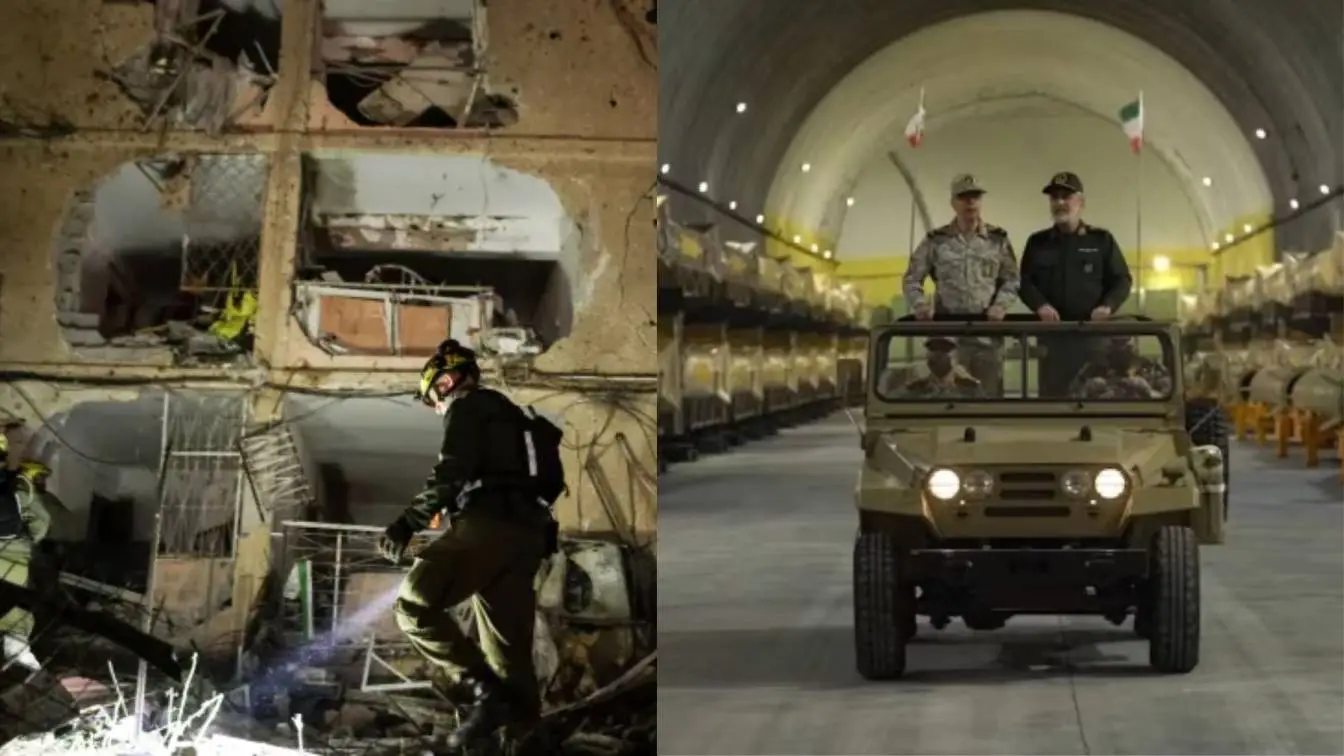
On 28 February 2026, Israel and the United States launched surprise airstrikes on multiple sites and cities across Iran, killing Supreme Leader Ali Khamenei and numerous other Iranian officials. Iran responded with missile and drone strikes against Israel, US bases, and US-allied countries in the region. The Middle Eastern crisis which began in 2023 led to Iran and Israel exchanging missile strikes during 2024 and Israel together with the United States conducting airstrikes against Iranian nuclear facilities during the Twelve-Day War of June 2025. The Iranian security forces killed thousands of protesters during the January 2026 protests which became the largest demonstration since the Islamic Revolution. US president Donald Trump threatened to take military action The Iranian regime violence against its people led to a protest movement within Iran. Badr bin Hamad Al Busaidi Oman foreign minister who worked as mediator of the talks stated that US and Iran indirect nuclear negotiations made important progress during their February meeting. The US conducted its biggest military expansion in the Middle East since the Iraq invasion which US forces launched in 2003.
The 2026 Iran War: A Turning Point in History
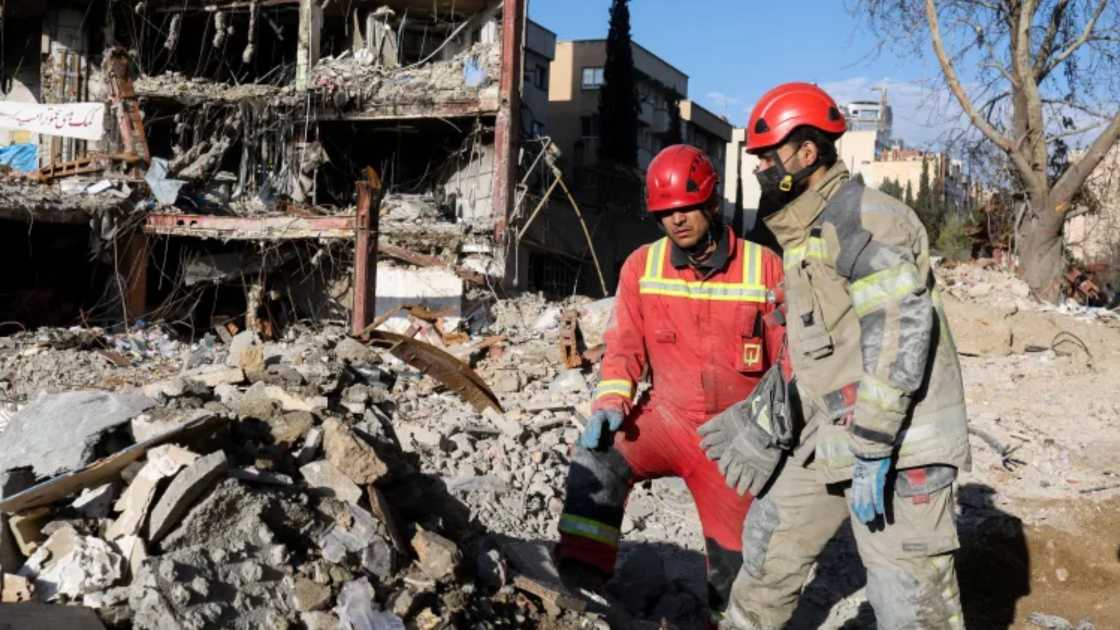
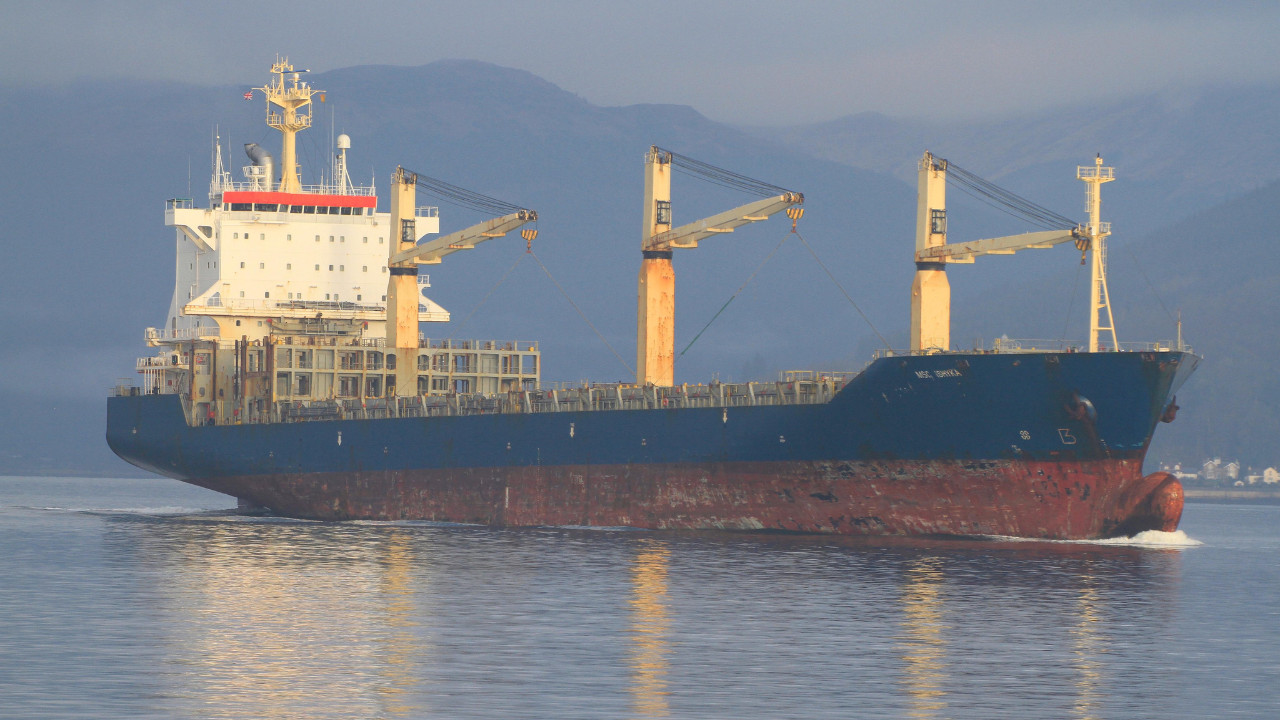
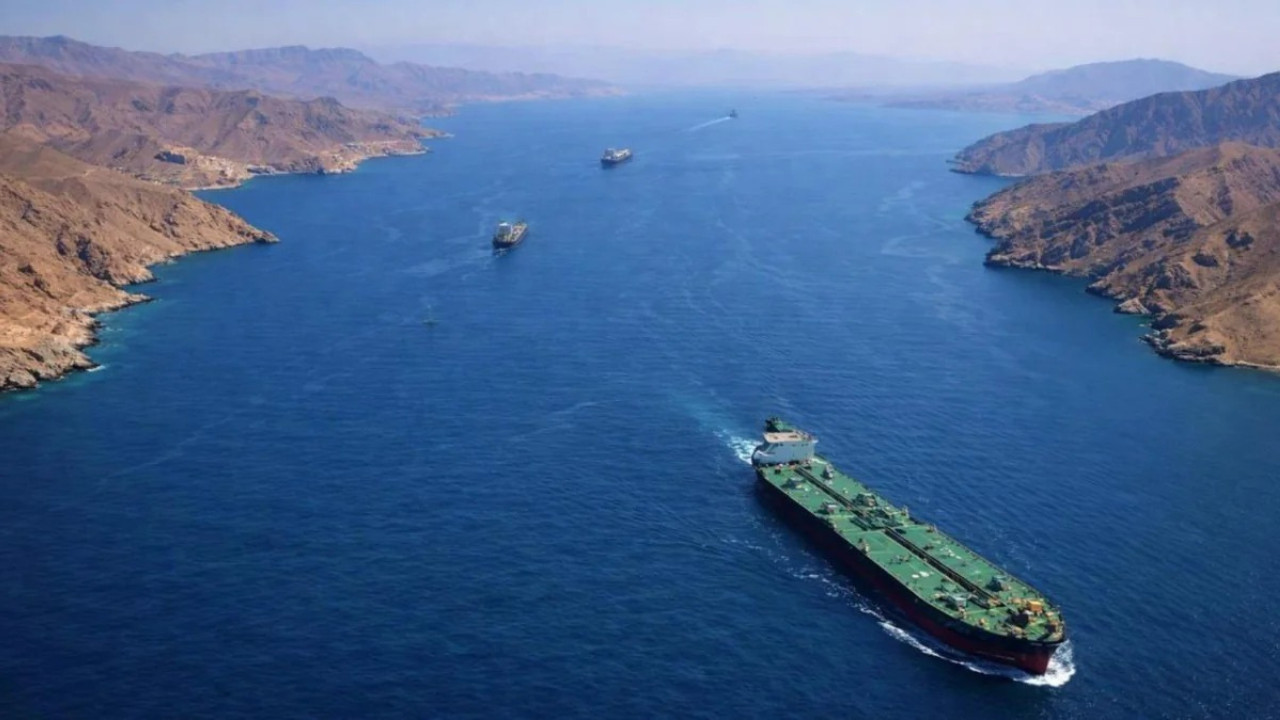
The conflict caused immediate increases in oil and gas prices while it disrupted both aviation and tourism operations and created unpredictable financial market conditions. Iran closed the Strait of Hormuz through its military activities while it attacked energy facilities, which created disruptions to worldwide oil and gas delivery systems.
Read Also: Will Israel crush Iran alone? Netanyahus war path sparks shockwaves across the Arab world
United States relations with Iran:
The relationship between the United States and Iran has maintained a complicated and hostile nature for more than fifty years. The two countries established strong ties during the 1950s but later developed a state of intense competition which remains until the present day. The following text provides a straightforward summary of the information.
Early Cooperation (Before 1979):
In the 1950s–1970s, the U.S. and Iran had close diplomatic ties. The U.S. supported the rule of the Iranian monarch Mohammad Reza Pahlavi (the Shah). The two nations established the Treaty of Amity Economic Relations and Consular Rights in 1955 to promote their trade and cooperative activities. The U.S. supported Iran's nuclear program development by supplying research reactor equipment to Tehran during the 1960s. Iran was one of America's key allies in the Middle East during the time.
The 1979 Iranian Revolution – Turning Point:
Relations between the two countries completely ended after the Iranian Revolution which occurred in 1979. The Shah was overthrown. The new Islamic government established by Ruhollah Khomeini came into power. Iranian students took control of the U.S. embassy in Tehran and kept 52 American diplomats as hostages for a period of 444 days. This event ended diplomatic relations between the two countries and created deep hostility.
Military Confrontations (2020s):
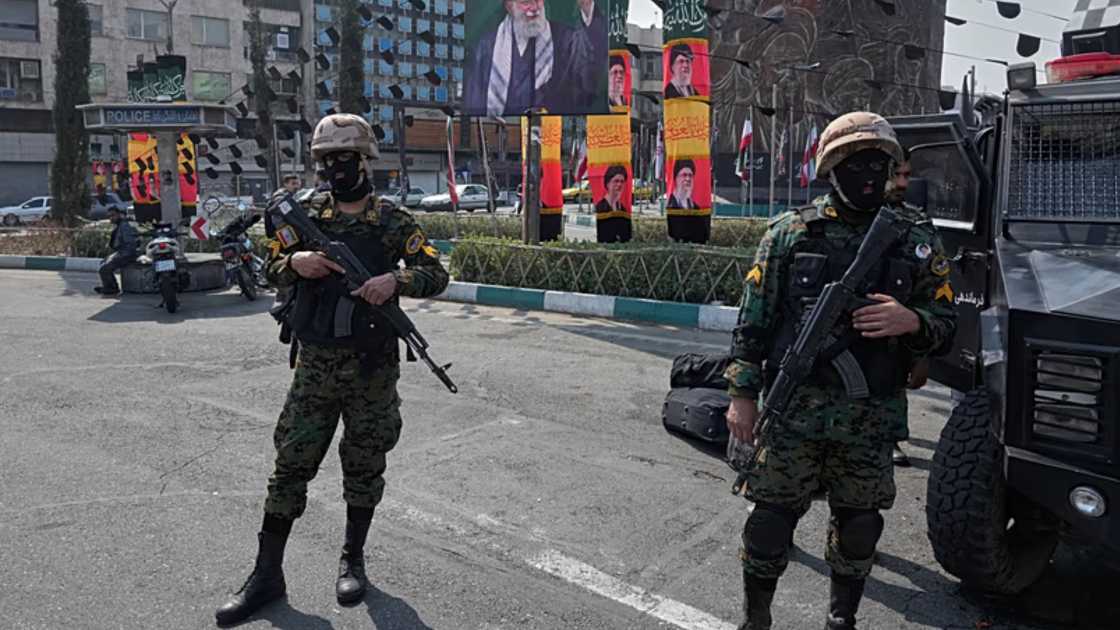
Relations between the two nations reached their most dangerous point in recent years when the United States conducted airstrikes against Iranian nuclear facilities in 2025 which succeeded in delaying Iran's nuclear program development. The negotiation process for Iran's nuclear program remained active but encountered frequent disruptions.
Iran nuclear issue:
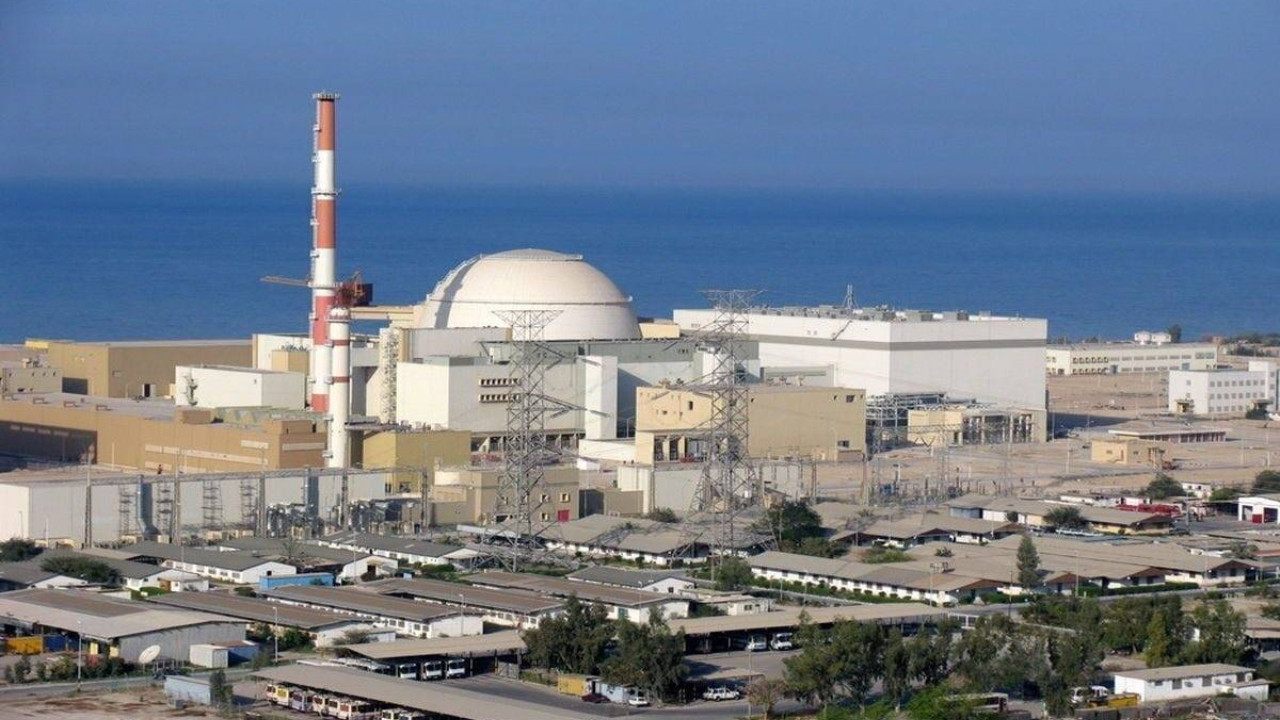
The international community disputes whether Iran operates its nuclear program for peaceful energy development or for nuclear weapons production. The issue has remained a vital international security concern since the start of the 21st century. During the State of the Union Address which occurred in late February 2026 President Trump declared that Iran had resumed its nuclear activities while developing missiles which possessed the capability to attack the United States.[126] The International Atomic Energy Agency (IAEA) discovered that Iran had concealed highly enriched uranium in an underground facility which remained intact after the previous conflict The IAEA reported that it lacked proof of an organized nuclear weapons program yet the agency could not confirm whether Iran's entire nuclear activities were "exclusively peaceful" because access to their facilities had been denied at that time.
Assassination of Ali Khamenei:
Ali Khamenei the supreme leader of Iran was assassinated on 28 February 2026. The Iranian state media declared Khamenei's death early on 1 March. The Fars News Agency which the IRGC controls reported that Khamenei's family members had died in the attacks, including his daughter, son-in-law, granddaughter, and daughter-in-law Zahra Haddad-Adel who was married to Mojtaba Khamenei and survived with injuries. The state declared 40 days of mourning. CIA assessments suggested that a hardliner from the IRGC would replace Khamenei. They think they leader killed top leader Iran and Iran become weak. For trump things become difficult to handle and their no planning how to stop war. Now American economy became weaker. Dollar value goes down.
Israel:
The first Iranian airstrike which established a direct connection with Israel attacked an Israeli building, which resulted in injuries to one Israeli civilian. Magen David Adom reported that Iran's initial attacks had left 89 injured, with three directly wounded and the rest indirectly, most of them civilians. The direct hit in Tel Aviv on 28 February resulted in the death of one civilian woman and the injury of 22 others, with one person sustaining serious injuries. The Iranian strike on 1 March attacked both a synagogue and residential buildings in Beit Shemesh, which resulted in nine deaths and 49 injuries. Two workers died on 9 March in Yehud which lies outside of Tel Aviv after Iranian missile submunitions struck them while they worked outdoors at a construction site.
You May Also Like: Israels Bold Claim Iran Was Building a Nuclear Bomb We Can No Longer Remain Silent
FAQs
When did the 2026 Iran War start?
It started on February 28, 2026, with nearly 900 U.S.-Israeli strikes killing Supreme Leader Ali Khamenei and others.
What caused the war?
Tensions arose from Iran's nuclear ambitions, missile program, proxy support (e.g., Hezbollah, Hamas), failed JCPOA revival, and January 2026 protest crackdowns.
What is the current status?
Ongoing U.S.-Israeli strikes target IRGC sites; Iran retaliates with missiles/drones; Trump pushes talks, but escalation persists on day 26.