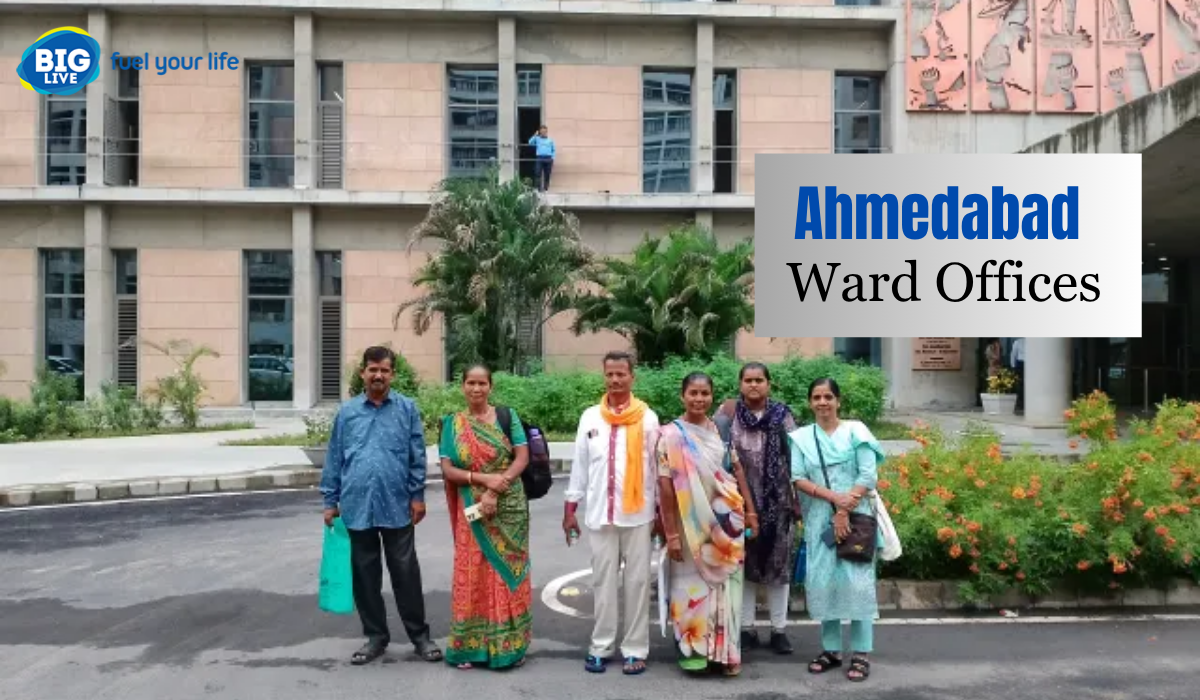
Across the city, ward offices once thought of as slow, dull, and bureaucratic are picking up speed. And not just in how they function, but in how they connect with the people. Birth certificates in a day? Grievances resolved in 24 hours? It’s becoming the new normal. This transformation isn’t about grand announcements or fancy launches.
A New Kind of Local Office
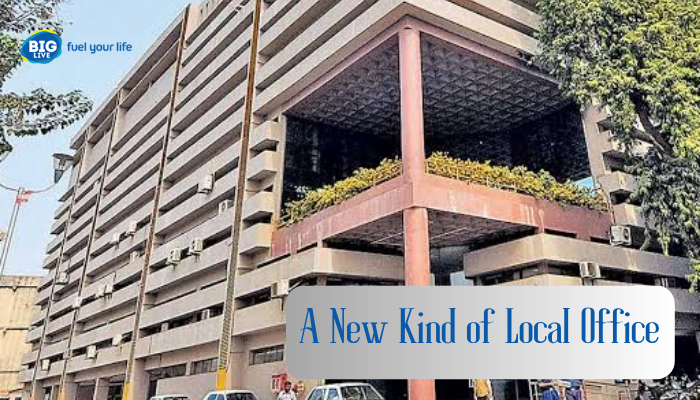
Ahmedabad is divided into zones. Each ward is divided into multiple wards. Each ward office is responsible for essential public services. Also cleanliness, tax payments, registration of documents, and handling day-to-day grievances. It sounds like standard work. But here’s the twist: these services are now being delivered faster, friendlier, and more transparently than ever before. Take a resident who recently needed a death certificate. What used to take five days and a couple of follow-ups is now done the same day, often within a few hours. No middlemen. No guessing. Just clear instructions and faster turnaround. Part of this is because ward officers are now more present. Many of them live near the areas they manage. That personal touch changes the game. Each office works with its self rule, helps in quick decisions without multiple levels of approval. Roads, lighting, garbage—local fixes happen where the problems are, without delay from higher-ups.
Tech That Actually Works
You’d expect “digital India” to mean apps nobody uses or portals that never load. But in Ahmedabad’s ward offices, technology isn’t just a buzzword—it’s functional.
Let’s say you want a copy of your birth certificate. Now their is no need for a human to stand for hours in a queue. Just apply online and collect it once ready—usually the same or next day. Sanitation complaints? A quick tap on the AMC mobile app sends it to the right staff. Behind the scenes, officers monitor everything on real-time dashboards. If your complaint isn’t closed in 48 hours, it shows up in red. There's no hiding. Files are tracked. Delays are noticed. Some wards have introduced clever tools: QR codes on bins, GPS-based tracking for garbage vans, and even sensors that detect when a bin is full. These might sound futuristic, but they’re being used—today, on actual streets. Importantly, none of this feels like show-and-tell. It’s quiet tech that works behind the curtain, making the system leaner and less frustrating for citizens.
People Are Not Just Data Points
What truly sets this model apart is the tone of the service. Fast and tech-driven is great. But human? That’s rarer. Ward officers now regularly meet with residents—sometimes through WhatsApp groups, sometimes over chai in neighborhood societies. They listen. They follow up. And they don’t pretend to know everything. In several wards, Resident Welfare Associations (RWAs) help co-manage public concerns. If there’s flooding on a lane, the RWA brings it up, the ward acts, and both sides stay in the loop. It's not always perfect—but it's functional, collaborative. There’s even space for local volunteers. Youth interns help digitize records. Senior citizens pitch in with neighborhood surveys. This mix of formal structure and informal participation makes governance feel local, not distant. In one case, a community suggested switching their streetlights to solar. Within two weeks, the ward office had consulted a vendor, secured funding, and installed them. Try pulling that off in most cities, and you'd still be waiting for someone to answer the first email.
Holding Themselves Accountable
Quick work isn’t just about speed—it’s about trust. Ahmedabad’s ward offices are making transparency a habit. Every office maintains weekly dashboards of pending files, completed tasks, and turnaround times. Some even post them publicly. There’s little room to bury delays. Citizens receive SMS alerts for updates, can track application status online, and know exactly who’s in charge of their file. No guesswork, no bouncing from desk to desk. And if something doesn’t move? Residents don’t have to stage protests. They can escalate through a structured system that actually responds. Many officers share their contact numbers openly—and not for show. They pick up, respond, and sort things out. It’s worth mentioning: this kind of accountability isn’t flashy. It’s not a viral moment. But it builds quiet confidence that public service can work, without friction.
Where It’s Going From Here
Ahmedabad’s ward system has already started attracting attention. City planners from places like Indore, Nagpur, and even parts of Delhi have come to observe and learn. Yes, there are hurdles. Not every ward works at the same speed. Some struggle with manpower. Others hit hiccups when tech platforms freeze or crash. And in areas with lower digital literacy, access remains a concern. But the core idea—that small, decentralized offices can deliver big—holds strong. These ward offices are beginning to take on more: handling climate resilience projects, urban heat response plans, and even ward-level budgeting. They’re not just executing orders. They’re helping shape policy on a hyper-local scale.
A Silent Change
These happenings of Ahmedabad is not about the infrastructure or building. It’s about trust being rebuilt—one certificate, one cleaned street, one answered call at a time. In a country where civic services are often equated with long waits and helplessness, Ahmedabad’s ward offices offer a refreshing counter-example. You walk in, you’re greeted politely, your file moves, and you walk out—job done. No bribes. No endless follow-ups. Just efficient, honest work. If other cities are serious about making governance better—not just bigger—they might want to look here. Because in Ahmedabad’s wards, the government isn’t just present. It’s working.
And that’s a quiet revolution we can all get behind.