Some towns just go about their business quietly. Halwara was one of those places. For years, people passed by without noticing. But now, things are shifting. A brand-new airport is rising there and it might just change how Punjab travels.
Why Halwara? Why Now?
Ludhiana is a powerhouse. It makes bikes, clothes, machines you name it. But despite all that energy, it lacked one simple thing: a nearby airport. People here had to take long drives to Chandigarh or Amritsar just to catch a flight. Hours on the road. Wasted time. Halwara is now filling that gap.
Where It’s Happening
Roughly 32 km southwest of Ludhiana, Halwara has an existing air force station. The Indian Air Force already operates from there. That gave the project a head start a full 3,050 meter runway was already in place.
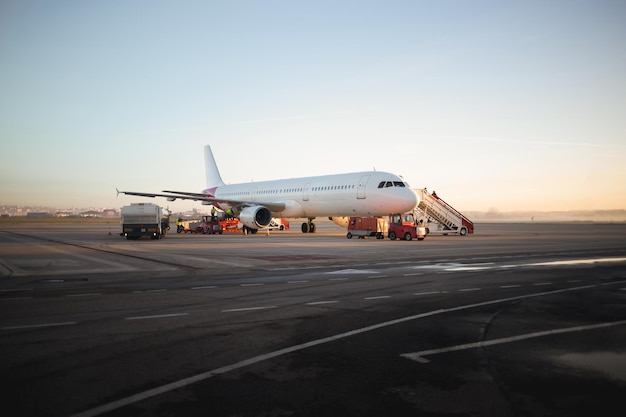
Now, the government of Punjab and the Airports Authority of India (AAI) are turning that military base into a dual-use airport military and civilian. A 161-acre area has been cleared. A passenger terminal is nearly ready. Shared runways mean quicker takeoff for the project, both literally and metaphorically.
A Long Project in the Making
This wasn’t an overnight decision. Plans for a commercial terminal in Halwara had started back in 2018. Hopes were high that flights would begin by 2020. But reality had other ideas. Land handovers moved slowly. Funds were delayed. Then came COVID, and everything stalled. By 2022, work had pretty much stopped due to funding disagreements.
Then, the Punjab government gave it a push. More funds. More clarity. Construction picked up again in late 2022. By mid-2025, the terminal building was nearing completion. Runway upgrades were happening too. If all goes well, the airport may open by late 2025.
What Will the Airport Offer?
This won’t be a giant airport. Not like Delhi or Mumbai. But it’ll be clean, modern, and practical. The terminal is being built to handle narrow-body aircraft like the Airbus A320 and Boeing 737. That means flights to big cities across India, and possibly to short international destinations later on.
Here’s what’s planned:
- Check-in counters
- Waiting lounges
- Arrival & departure gates
- Baggage claim
- EV charging points
- Medical facilities
- Food stalls
- Well-lit parking zones
The good thing is that there’s space left for future expansion if passenger numbers increase.
How It Helps More Than Just Ludhiana?

Yes, Ludhiana will benefit the most. But Halwara’s reach won’t stop there. People in Jagraon, Raikot, Moga, and Sangrur will also find flights easier to access. Fewer long drives. More options. That can make a big difference for families, students, workers, and tourists.
- New jobs in transport, logistics, and hospitality
- Faster medical and academic travel
- Growth in local supply chains
- Quicker movement of goods like dairy and produce
- Even small farmers stand to gain fresh food reaches markets faster, with less spoilage.
- Boosting Local Industry
Ludhiana is a city built by small manufacturers. With a nearby airport, these businesses can operate more efficiently. Faster sample deliveries. Easier meetings. Better buyer visits. Small changes in travel access can mean big changes for productivity.
Even the event and tourism sectors get a push.Individuals traveling for weddings, celebrations, or devout visits will presently arrive much closer to where they need to be. Anandpur Sahib, Amritsar, and other key destinations ended up more accessible. Less Activity, Less Delays.
If more individuals fly, less individuals drive long separations. That’s great news for activity and discuss quality. Instead of a 5-hour travel by street to Chandigarh, travelers can reach Halwara in beneath an hour and take off from there. That time spared things particularly for restorative crises or last-minute commerce trips.
What’s Still Missing?
As much as the buildings are nearly ready, some critical pieces still need work.
- Airlines need to be convinced there's enough demand.
- Air traffic controllers need to be staffed and trained.
- Ground handling services need setup.
- Logistics teams, baggage handlers, and security need training.
No airport works until the whole system does. So, while construction is almost over, operational readiness will take a few more months.
A Glimpse at What’s Coming
Once it’s open, expect the first routes to be Delhi, Mumbai, or Bengaluru. Later, there might be routes to Jaipur, Hyderabad, and maybe even international destinations like Dubai. And once those flights take off, a ripple effect begins. More businesses open near the airport. New hotels, taxi services, courier services. Property values around Halwara may rise. Life speeds up. The local economy grows.
What It Feels Like on the Ground?
Think about this: a parent in Ludhiana wants to visit their child in Pune. Before Halwara, that trip started with a 3-hour drive to Chandigarh. Then the flight. Then another drive. Now, that same parent could catch a cab to Halwara and be in Pune by afternoon.
Or take a student heading to college. Or a doctor traveling to attend a medical seminar. Or a bride’s family flying in for a wedding. These little changes matter. Time, energy, effort all saved.
A Quiet Place Taking Off
For years, Halwara was just a name on a map. Now it’s turning into a key travel hub for northern Punjab. It’s not just about flights. It’s about connection. About keeping people closer to opportunities. About saving hours on the road. About helping businesses grow and communities move forward.
The work hasn’t been smooth. There were setbacks, Pauses,Disagreements. But the project held on. And soon, it will open up the skies for a region that’s waited far too long.
When Halwara’s first commercial flight takes off, it won’t just carry passengers. It’ll carry a signal: that progress is finally landing where it’s long overdue.