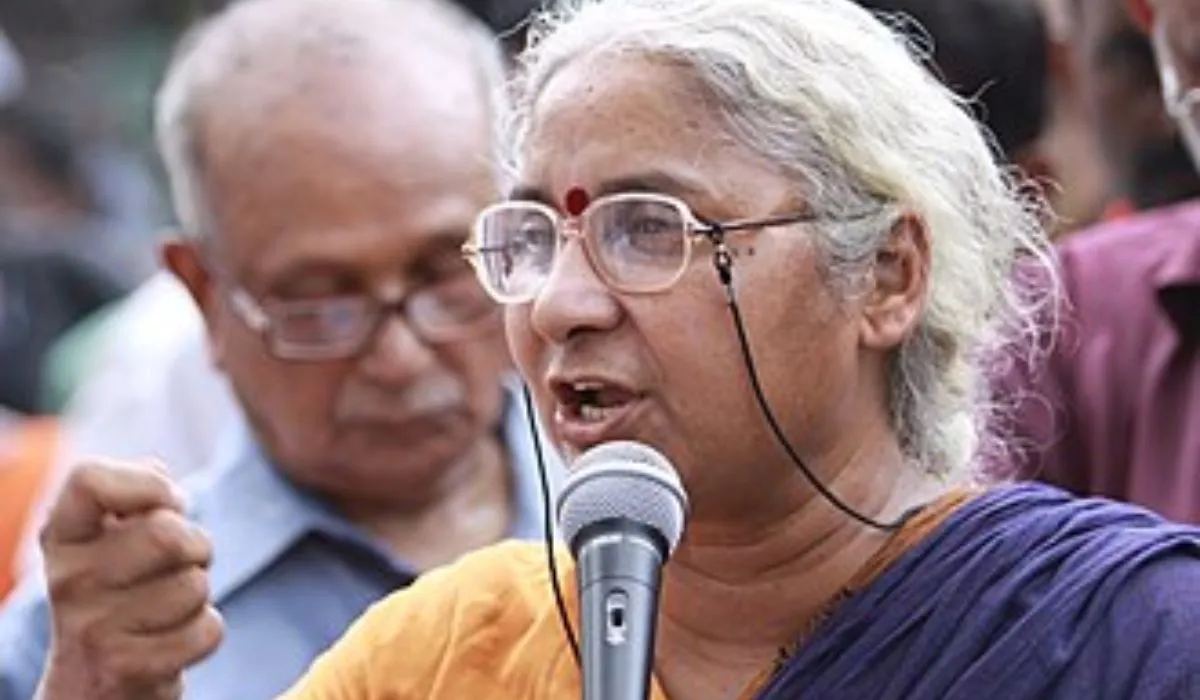
Some folks go to work, make a living, and then return home. And then, there are people like Medha Patkar — who give their entire lives to people they don't even know by name. She didn’t ask for applause. She didn’t wear khadi for photos. She stood — quietly, firmly — between bulldozers and tribal huts in Gujarat. And that, more than any title, is what defines her. This story is about her — the woman who said no when everyone else said yes to drowning villages in the name of “development”.
Before the Protests: A Heart That Chose the Margins
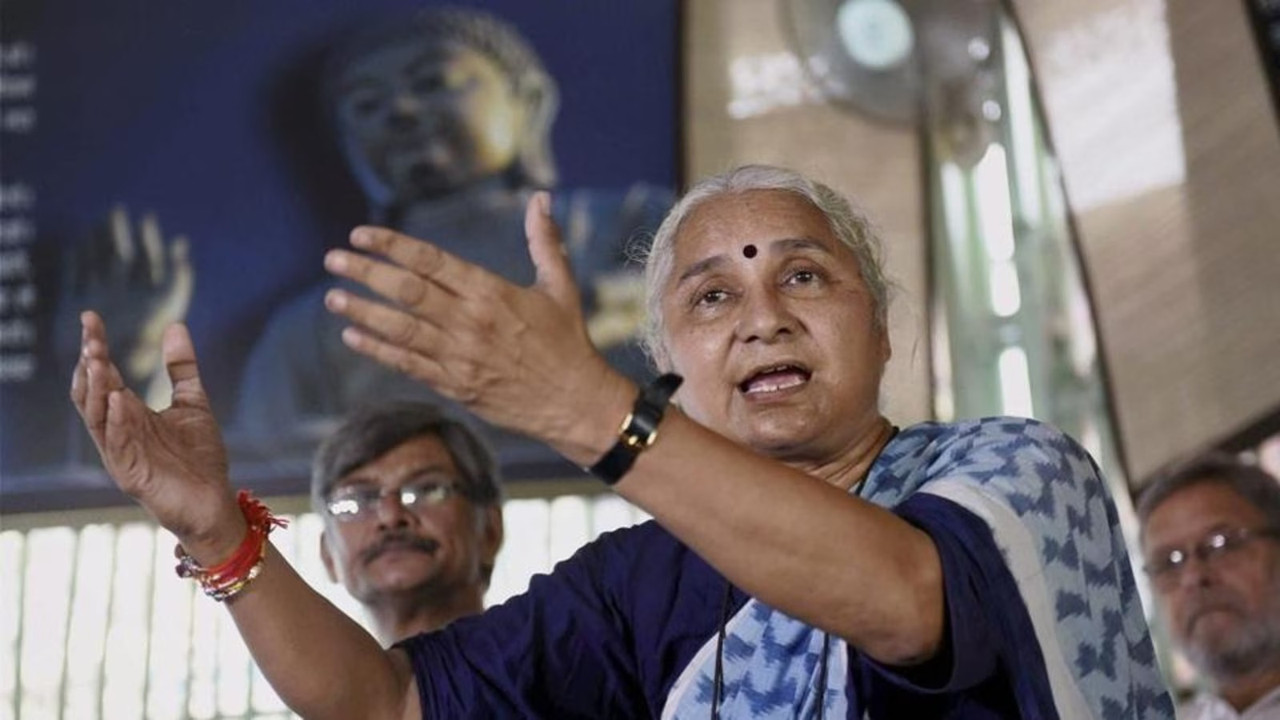
Born in Mumbai in 1954, Medha could have lived a comfortable life. Her father was a freedom fighter. Her mother worked in the government. She studied at TISS (Tata Institute of Social Sciences), and had every chance to pick a high-paying job.
But somewhere deep inside, she felt restless. Meetings in air-conditioned rooms didn’t feel proper while human beings have been drowsing hungry just out of doors. So, she packed her baggage and walked into India’s rural heart — wherein electricity traces don’t reach, and tribal songs nonetheless echo below the celebs.
The Narmada River: Lifeline or Loss?
In the Eighties, the Indian government announced a big mission a series of dams on the Narmada River. On paper, it sounded promising: power, irrigation, consuming water. But on the ground? It meant something else.
- Entire villages would be submerged
- Adivasi communities (indigenous tribes) would lose their forests and homes
- No proper rehabilitation plans were in place
- The river that fed them for generations would be tamed and blocked
People were scared. But no one in power was listening. And then Medha Patkar walked in. As someone who just wouldn't turn away, not as a rescuer.
The Birth of a Movement: Narmada Bachao Andolan
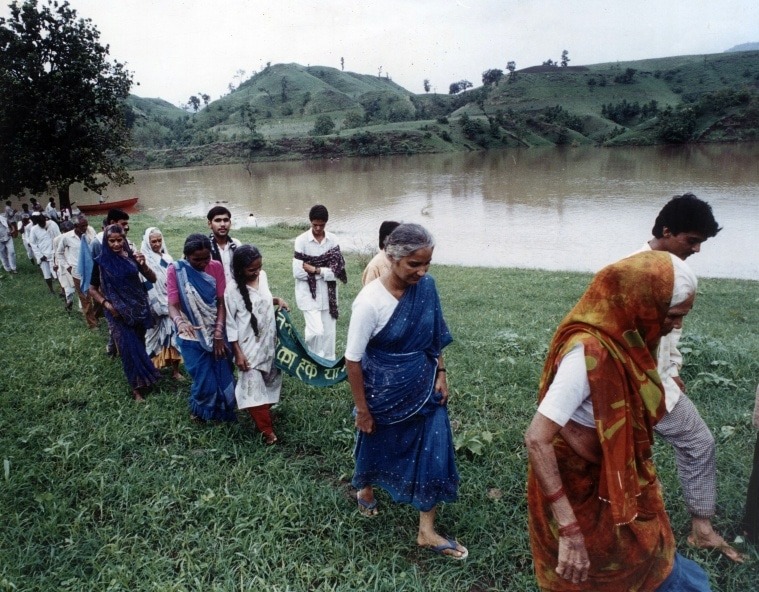
She didn’t shout. She didn’t throw stones. She sat down — literally — in protest, under trees, in courtrooms, on dry riverbeds. The Narmada Bachao Andolan wasn’t just a protest. It became a movement led by ordinary villagers, farmers, and tribal elders — with Medha as the heartbeat holding them together. She walked from village to village, explaining what the dam would really mean. She stood in front of bulldozers when homes were being torn down. In Gujarat, where the Sardar Sarovar Dam was being built, her presence became both a comfort and a challenge. Comfort to those being displaced. A challenge to those in power.
Gujarat: The Ground Zero of Displacement
Of all the states involved, Gujarat was hit the hardest. Here’s what was happening on the ground:
- Entire tribal settlements were drowned without warning
- Promises of new homes, compensation, or land were mostly on paper
- Rich cities got water, but villages remained thirsty
- The forests, sacred to local tribes, were cut for roads and industries
Medha Patkar didn’t just speak in press conferences. She sat with villagers during floods. She took their stories to Delhi and beyond. She connected their pain to policy, and their silence to the country’s conscience.
Development vs. Displacement: Medha’s Message
Medha never said she was against development. She asked the uncomfortable questions:
- Why do tribal families lose their land for someone else’s electricity?
- Why do government reports ignore the voices of women and farmers?
- Why does progress drown the poorest, while benefitting the powerful?
Legal Battles and Peaceful Resistance
Her movement wasn’t just emotional — it was legal, strategic, and powerful.
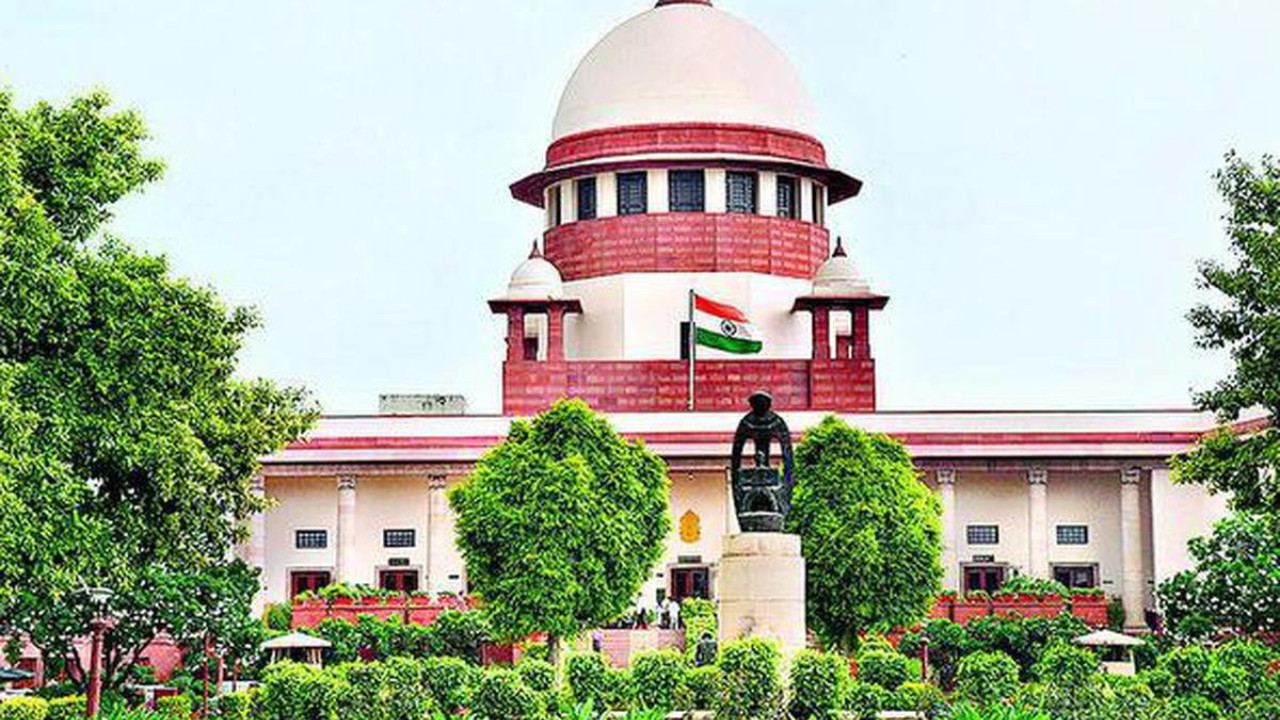
- She filed petitions in the Supreme Court
- She challenged environmental clearances
- She demanded fair rehabilitation policies
And yet, she never picked up a stick or stone. Her strength was in non-violence — something she learned from Gandhiji, whose spirit still lives in Gujarat’s soil.
Not Just Awards, But Achievements
Medha has received dozens of national and international awards — but ask her, and she’ll say her real rewards are:
- A school that now stands in a resettled village
- A mother who smiles because her son got land back
- A tribal elder who didn’t lose their forest home
She wasn’t in it for fame. She was in it because someone had to be.
What She Taught Us (And Still Teaches)
You don’t need a uniform to fight.
You just need to care — deeply, stubbornly — about what’s right.
Here’s what Medha teaches us:
- Listen to those at the bottom first
- Don’t trade people’s homes for profits
- Stand firm, even if you stand alone
- Nature doesn’t need saving — it needs respect
- Real progress leaves no one behind
Read more:- Truck Plot to Kill Tejashwi? Rabri Devi Accuses BJPJDU as SIR Probe Triggers Political Storm in Bihar
Still Walking, Still Speaking
Even today, Medha Patkar continues to speak out. She travels to rural areas, supports local protests, and keeps reminding India that growth must have a soul. Whether it’s a factory trying to take tribal land, or a new project ignoring environmental risks — Medha shows up. Often alone. Often tired. But never silent.
Final Thoughts: A River Never Forgets
The Narmada River still flows. It’s seen floods, dams, and protests. But in its gentle waves, there’s a memory — of a woman who sat beside it, listening. Medha Patkar didn’t save every village. But she made sure the world heard them before they vanished. In Gujarat, her footprints remain — not on roads, but in people’s hearts. In the end, she didn’t stop the dam. But she built something stronger: a belief that the poor deserve justice, that nature deserves dignity, and that one voice — if loud enough, honest enough — can move a mountain.