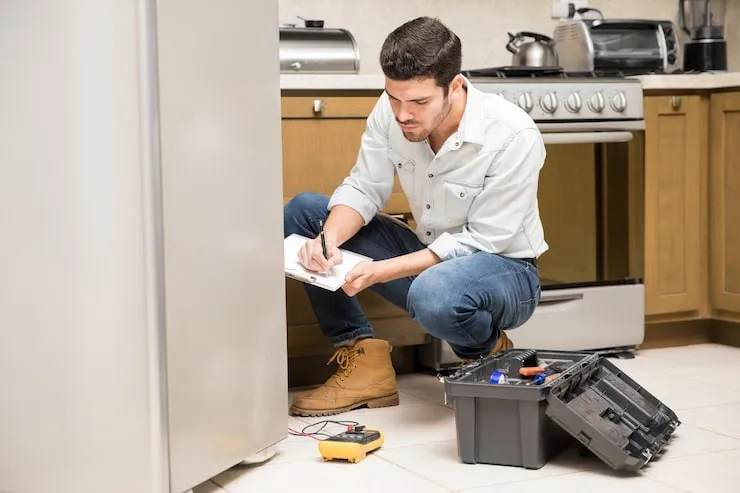
Your machines don't call in sick. But if you skip their care? They break down on you at the worst time. Think about that one Friday afternoon, when the AC died and everyone got cranky. Or the conveyor belt that snapped right before a big delivery. Stuff like this isnt random. It usually happens because small problems pile up. If you want to skip the drama and keep things running, you need a preventive maintenance checklist. Heres how to build one, why it works, and how to make sure things actually get done.
Whats a Preventive Maintenance Checklist (and Why Bother)?
A preventive maintenance checklist is a simple, step-by-step list of maintenance tasks you do before things break. Instead of waiting for stuff to go wrong, you stay ahead of it. The benefit? Less surprise downtime, lower repair bills, and more days when everything just works like it should.
- You spot issues before they become expensive problems
- Your team knows exactly what needs doing
- Everyones less stressed when nothings on fire
Lets be realnobody likes extra paperwork. But a checklist keeps your maintenance routine organized. It turns maybe-Ill-get-to-it jobs into habits you dont forget.
What Goes Into a Good Maintenance Schedule?
Your maintenance schedule lays out when each task happens. Maybe its daily (check oil), weekly (test emergency stop buttons), or monthly (clean filters). Without a schedule, things slip through the cracks. With one, you know whats due and you can plan without scrambling.
Heres what to put on your schedule:
- Daily: Visual inspections, check for leaks, clear debris
- Weekly: Lubricate moving parts, check fluid levels
- Monthly: Inspect belts and hoses, test alarms/sensors
- Quarterly: Review wear on major parts
- Yearly: Full equipment inspection and deep cleaning
Pick timeframes that make sense for your equipment. If somethings always running hot, check it more often. If it hardly moves, you can space things out.
How Do You Create an Effective Preventive Maintenance Checklist?
You dont need fancy software. Start with a piece of paper or a spreadsheet. List every asset you want to keep runningboilers, trucks, a/c units, even coffee makers if theyre mission-critical.
For each asset, write down:
- What needs checking (oil level, belt tension, filter condition)
- How often to do it
- What tools or parts are needed
- Whos responsible
- Signs of trouble to watch for
And be specific. Instead of check engine, say inspect engine oilshould be between lines, not milky or dark. Anyone should be able to run through your checklist and know if things are okay or not.
Whats the Deal With Equipment Inspection?
Equipment inspection is the heart of any maintenance plan. Its your chance to catch trouble early. Do it with your eyes (look for leaks, cracks, odd noises). Use your hands (feel for vibration, heat). Trust your nose and earssmells and strange sounds often hint at a problem.
- Loose bolts
- Worn-out parts
- Weird noises (grinding, hissing, clanking)
- Leaks or standing water
If you find something, log it and fix what you can right away. For bigger problems, set a deadline. The biggest mistake? Spotting an issue, then doing nothing and hoping itll go away.
What If You Already Have a Maintenance Plan?
If youve got a system but things still break, its time to revisit your approach. Maybe your maintenance planning is too generic, or maybe people skip steps because the checklist is confusing. Ask your team whats working and what isnt. Sometimes the solution is as easy as clearer instructions or fewer boxes to check.
Other times, it means adding more detail to your asset management process. Dont be afraid to tweak things. The best checklists grow and change as you learn what your space really needs.
How Does Preventive Maintenance Help Asset Management?
Asset management is about getting the most life out of everything you own. A good checklist keeps your stuff running smoother, longer. It also gives you dataif something keeps breaking, youll spot patterns and can plan replacements or upgrades. No more guessing when that old truck will die. Youll know because youve tracked little fixes over time.
Think of it as investing 10 minutes now to save yourself hours (and lots of cash) later. Leaders who stay on top of routine maintenance almost always spend less on emergency repairs and replacements.
What Can Go Wrong With Preventive Maintenance?
This isnt magic. Even with the best checklist, things slip:
- People get busy and rush through checks
- Someone forgets to write down an issue
- No one owns the job, so it doesn't get done
- Maintenance planning gets ignored for months
- Your list is too long or full of confusing steps
Stay realisticstuff happens. But a checklist you actually use is always better than one sitting in a drawer. Start simple. Add detail as you see what works.
How to Get Your Team On Board
No one likes new routines shoved down their throat. Explain the why behind preventive maintenance. Tell real stories about breakdowns that ruined a day. Let your team help build the checklistthey know the equipment best. Make it easy by keeping tasks quick and clear. And when you catch issues early? Celebrate those small wins.
- Keep the checklist simple at first
- Explain how it saves pain, not just paperwork
- Share quick success stories so people see it works
Mini-Takeaway
Sticking to a preventive maintenance checklist wont fix everything overnight, but its one of those habits that keeps saving you big headaches. Youll notice fewer frantic calls, more uptime, and a team that works smoother together. Try starting with your most annoying equipmentonce you see results, itll be easier to roll out a system for everything else.
FAQs
- What should be included in a preventive maintenance checklist?
List every job that keeps your equipment running, like inspections, oil checks, cleaning, and parts replacement. Include how often to do each, the tools you need, and what signs mean theres a problem. - How often should I review my maintenance schedule?
Check your schedule at least once a month. If you notice stuff still breaks a lot, tweak your checklist and schedule for better results. - What's the difference between routine maintenance and preventive maintenance?
Routine maintenance is all the regular jobs you do (like cleaning or greasing), while preventive maintenance is about spotting and fixing issues before they get big. Both help equipment last longer. - Do I need special software for maintenance planning?
No. You can use paper, a whiteboard, or a simple spreadsheet. Software helps if you have lots of assets, but the main thing is making sure the plan gets followed. - Why do some people skip doing equipment inspections?
Usually because they're busy, don't know what to look for, or think it doesnt matter. A clear checklist makes the job quicker and easier, so people are more likely to do it right. - Can a preventive maintenance checklist really save money?
Yes. Most breakdowns cost way more than doing a few quick checks each week. Spotting problems early almost always means a cheaper fix and less downtime.
Final Thoughts
Pick one piece of critical equipment and start your checklist today. See how it feels after a few weeks. Youll learn what works, whats annoying, and youll be better off than if you wait for things to fall apart. Small steps, big payoffyour future self will thank you.