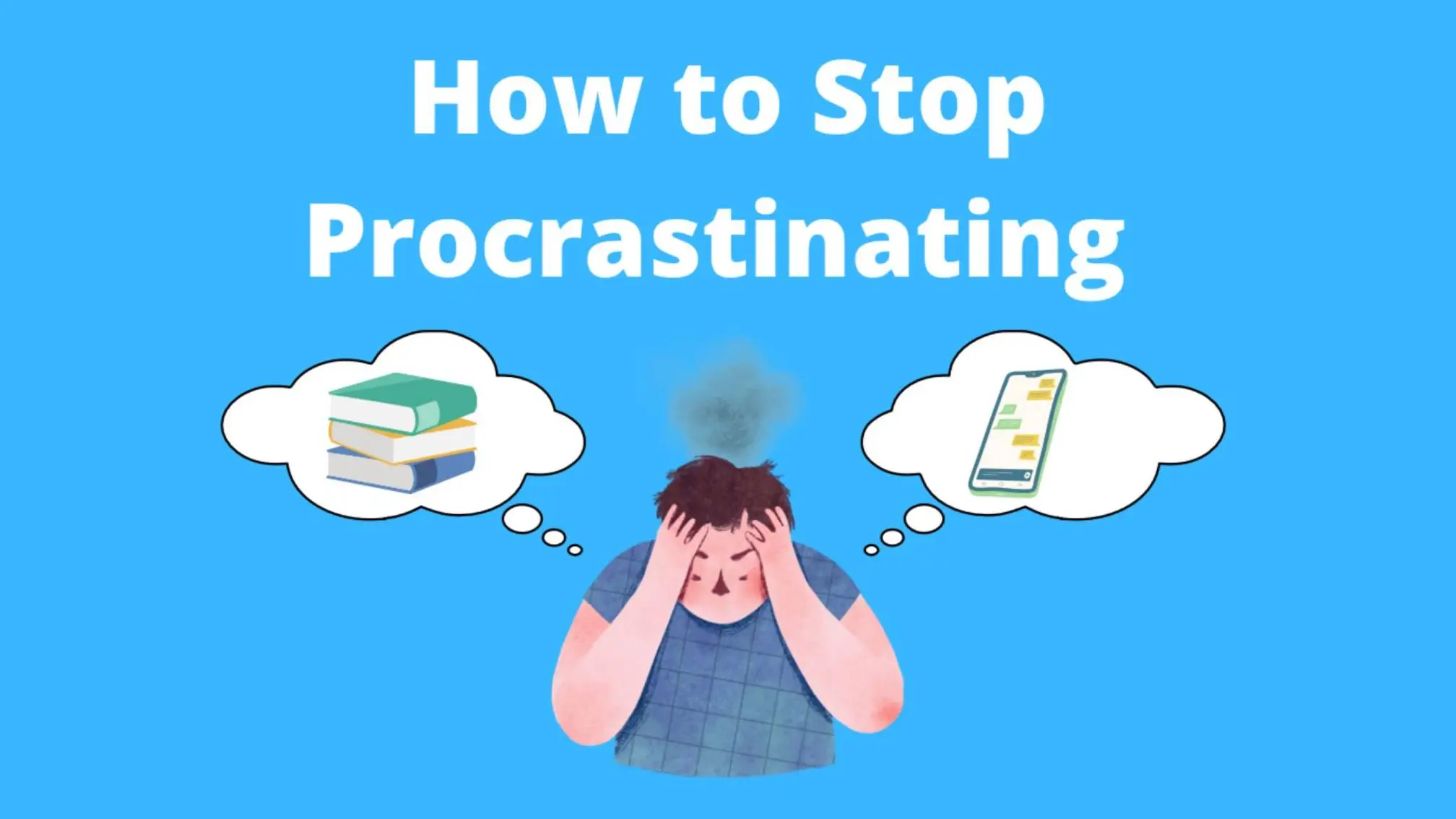
You know that feeling when you sign up for an online course, thinking it's your ticket to a new skill or even a better job? But two weeks in, you find yourself scrolling your phone mid-lecture, putting assignments off, and wondering if you'll ever finish. We've all been there. The truth is, online learning sounds easy but takes real habits and commitment. If you're ready to finally nail online learning success, these seven learning steps are your cheat code. I'll walk you through what works, common mistakes, and tricks I've learned after years of writing about digital education.
What's the First Move for Online Learning Success?
The first thing? Set clear goals you actually care about. Not what you 'should' do, but what matters to you. If your goal is vague like 'learn coding,' you'll never know when you're done or what to work on next. Instead, go for something like, 'Finish the HTML module and build a one-page website by June 30.'
- Why set specific goals? You get a clear target and a way to track progress.
- How to do it: Break down topics into weekly mini-goals.
- Possible snag: Aiming too high and burning out. Start small. Win early.
Trust me, ticking off a goal feels way better than writing it in a planner and forgetting about it.
How Do You Build a Distraction-Proof Study Zone?
If you're not careful, studying online feels like working in a zoomessages, TikTok, food, family, you name it. Good online study tips always start with setting up your space. Find a spot that's comfortable but not too cozy. Use headphones if it helps you tune out noise. Leave your phone out of reach, or go old school and turn off notifications.
- Why it matters: Distraction sucks away focus, and even 10 minutes of real concentration can outdo an hour of multitasking.
- Set up a regular 'study spot' so your brain knows it's time to learn.
- Test with a friend: If you wouldn't do a Zoom interview there, don't study there.
- Don't fall for the 'I'm a great multitasker' trap. No one is.
What's the Smartest Way to Organize Your Learning?
Half the struggle with online learning is actually knowing what to do next. That's where digital learning strategies like time blocking shine. Block chunks in your calendar for lessons, quizzes, and practice. Use to-do lists or simple sticky notes (whatever keeps you honest).
- Why organize? You avoid last-minute panic and wasted time rereading the same intro three times.
- Real-life example: One student I worked with put every assignment deadline into Google Calendar with reminders. Missed zero. Got an A.
- What not to do: Don't rely on memory alone. You'll forget. Set up reminders and cues.
How Can You Stay Motivated When Things Get Tough?
Online courses can be long, some lessons are boring, and it's easy to quit when no one's watching. One trick is to track small wins, like finishing a lesson or acing a quiz. Another is to find an accountability buddysomeone you text when you finish a module (or when you need a push to start one).
- Why? Small wins build momentum, and accountability makes quitting awkward (which helps you stick with it).
- Use a journal or a digital tracker to see your progress over weeks.
- Common mistake: Trying to go it alone. Sharing your goals helps more than you'd think.
Which Online Study Tips Help Information Stick?
If you find yourself forgetting everything as soon as you finish a lesson, you're not alone. The key? Active learning. Instead of just watching videos, take notes in your own words. Pause and quiz yourself out loud. Teach the concept to a friend (or your dog). It sounds weird, but it works.
- Why use active learning? It makes your brain work harder and keeps info from slipping away.
- Try: Making flashcards, drawing diagrams, or summarizing concepts after every session.
- Don't: Passively rewatch videos or reread slides hoping it'll magically sink in.
How Can You Get Real Help When You're Stuck?
Everyone hits a wall, whether it's a confusing math module or a new programming language. The fastest way out? Ask questions early. Use discussion boards, send a polite email to your instructor, or look for study groups. Most courses have a built-in way to get supportdon't be shy to use it.
- Why ask for help? It saves hours of frustration and prevents misunderstandings from growing.
- Example: I once spent two days stuck on a quiz until I asked a discussion group. Got a clear answer in 20 minutes.
- Don't think you're bugging people. That's what resources are for.
How Do You Make Online Learning a Lasting Habit?
The real secret of online learning success isn't a fancy tool or course. It's turning small actions into habits. Pick a study time and stick to it, even if it's only 15 minutes after dinner each night. Celebrate when you hit milestones but get back on track after a slump.
- Why build habits? Over time, you build skills almost automatically.
- Habit stacking works: Tie your lesson time to something you already do, like drinking coffee or after your workout.
- Don't: Beat yourself up if you miss a day. Aim for consistency, not perfection.
Change doesn't happen overnight, but a little progress each week adds up fast.
FAQs: Real Answers About Online Learning Success
- Q: What's one thing most people miss about effective online learning?
A: People often skip the basics, like setting a real schedule. Even if you use the best platform or have all the motivation, without time set aside, nothing gets done. Make your study time a real appointment. - Q: How can I stay focused during long online classes?
A: Break your learning into short blockslike 25 minutes, then a five-minute break. This is called the Pomodoro technique. It helps your brain reset and keeps you from zoning out. - Q: What should I do if I start falling behind in a course?
A: Stop worrying about catching up all at once. Pick the next lesson or assignment and finish it. Tiny steps get you back on track faster than any crash study session. - Q: Are there any digital tools that really help with online study?
A: Simple ones work bestlike Google Calendar for deadlines or Quizlet for flashcards. Focus on tools you'll actually use, not the ones that look fancy but gather dust. - Q: How can I make sure I've really understood what I learned?
A: Try teaching it to someone else in your own words. If you get stuck or confused, that's the part you need to review. Explaining things out loud is the best reality check. - Q: Can online learning really replace in-person classes?
A: For some topics and learners, yes. You need strong habits and motivation, though. The main difference is you're in charge of your own time and focusso set yourself up to win.
If you want real online learning success, start with just one of these steps this week. Build your routine, ask for help, and track your wins. It's not always easy, but it's totally doable when you make it personal and stay honest about what works for you. Trust yourself, keep it simple, and remember: you're learning all the time, whether you realize it or not.