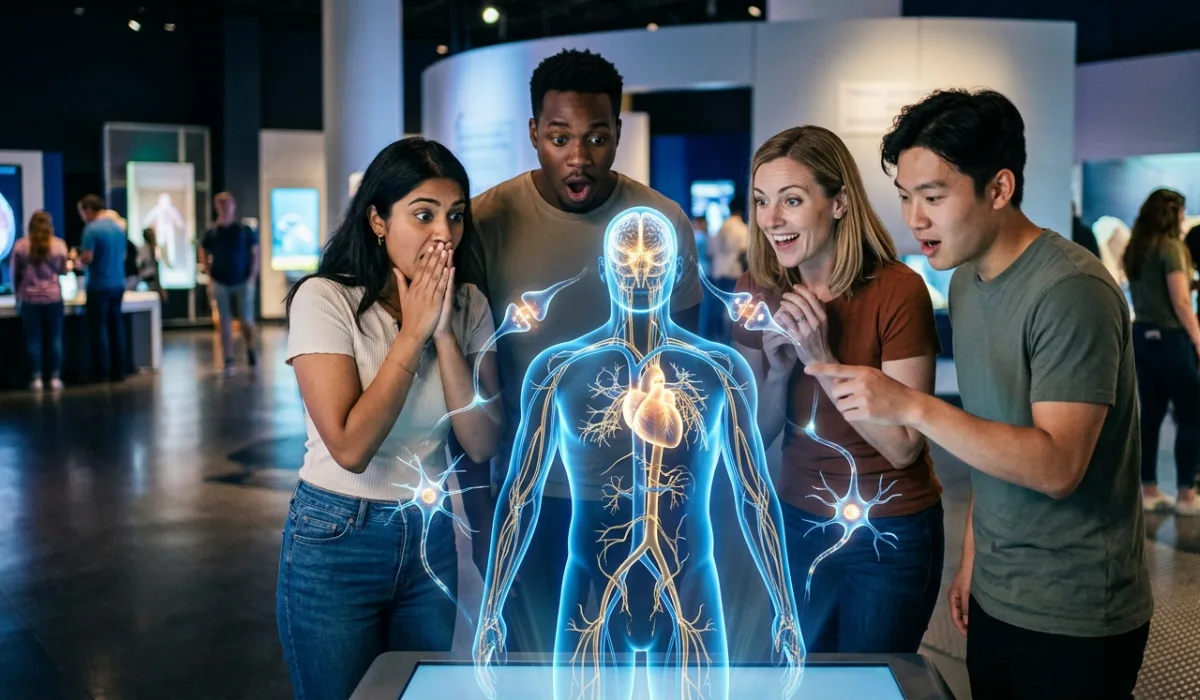
So, you're probably wondering what skills you'll actually need for the future. All those buzzwords get thrown at youAI, coding, datauntil your head spins. But here's the real secret: it's not magic and it's not just for kids who ace every math test. The truth is, essential STEM skills are for everyone, and they unlock doors way beyond the classroom.
What Really Counts as "Essential STEM Skills"?
Let's break it down. STEM stands for science, technology, engineering, and math. That sounds fancy, but at its core, it's about solving real stufffiguring out how things work, asking questions, trying ideas, and using numbers to back up your hunch. These are the skills that jobs, schools, and life will toss your way over and over.
- Problem-solving: The guts to face a mess, break it down, and fix it.
- Critical thinking: Not just taking something at face valueactually asking "does this make sense?".
- Math and data smarts: You don't need calculus, but you do need to spot patterns and know what numbers are telling you.
- Tech basics: Comfort with gadgets, apps, and figuring things out as you go.
- Collaboration: Most real-world science and technology involves working with other people, not in a vacuum.
Notice how these skills pop up in loads of jobsengineers, nurses, designers, even chefs use STEM learning all the time. And the more you practice them, the less intimidating they seem.
Why STEM Education Matters (Even If You're Not a "Math Person")
Here's the thing: future skills aren't just for rocket scientists. A lot of jobs are shifting under our feet thanks to technology and automation. That freaks people out, but knowing the basics (like how computers work or why a graph matters) puts you aheadno matter what you do for a living.
- STEM education trains you to learn new stuff fast. That's huge when jobs change.
- Science and engineering are all about questions. The world needs more curious people, not just know-it-alls.
- Math isn't about speed; it's about thinking. Real life gives you time (and calculators).
If you ever said "I'm just not a math person," trust this: nobody is born knowing algebra or how circuits work. Everyone learns it, one step at a time.
How to Build STEM Skills Without Feeling Lost
Start simple. You don't have to learn everything at once. Pick one thing you find sorta interestingrobots, puzzles, weather, even sports stats. Follow your curiosity. STEM learning happens in the tinkering and the mistakes, not from never messing up.
- Play with code: There are free tools that teach you to build little games or apps.
- Try science experiments in your kitchenlike making slime or building a baking soda volcano.
- Tinker with gadgets: Open up an old radio (with permission!), see what's inside, try to put it back together.
- Watch videos of how stuff works, then sketch your own explanations.
- Team up: Ask a friend to solve a puzzle with you. Two brains are better than one.
There's no right map or official checklist. Key STEM competencies come from exploring, not just memorizing facts for a test.
Is Coding Really the Holy Grail of STEM?
You hear it everywhere: "You need to learn to code!" Coding is coolit teaches logic, helps you make stuff on your computer, and gives you serious job options. But it's only one tool in the STEM toolbox. If you hate it, that's fine. You can focus on design, building things, running experiments, or working with numbers. The core is understanding problems and trying solutions.
What If I'm Just Not Good at STEM?
This is the fear nobody says out loud, so let's tackle it. Everyone hits a wall sometimesthe science feels weird, the math doesn't click. Here's what helps:
- Ask dumb questions (they're not dumb, and most people are thinking the same thing).
- Break problems into smaller chunks. Bite-sized problems feel doable.
- Try again. Seriously. The big brains don't always get it the first time either.
- Find a mentor or group who cares. That could be a teacher, online forums, or even your family.
You don't have to love every part of science technology engineering math. It's about picking up the essentials so you can roll with whatever's next.
Real-World Examples: STEM in Everyday Life
STEM isn't just for the lab. It's all around you. Think about:
- Cooking dinner: Measurements, heat, and timing are chemistry and math.
- Sports: Stats, scoring averages, and even shoe design use STEM knowledge.
- Keeping your phone running: Batteries, coding, and screen technology come straight from engineering classrooms.
- Budgeting your money: Understanding interest rates and tracking expenses leans on math.
Mastering essential STEM skills means seeing these connections and not being nervous to learn more. The world won't wait for you to "feel ready." You'll learn as you go.
Common Mistakes People Make With STEM Skills
- Thinking you need to be a "genius"you don't.
- Skipping the basics and jumping into hard stuff, then getting frustrated.
- Ignoring team projectsalmost all great science starts with a group.
- Sticking to what you already know instead of trying something new.
- Giving up after one tough lesson.
There's no shame in starting over. Every pro made rookie mistakes at the beginning.
How to Keep Growing Essential STEM Skills
You want to keep up as things change? Here are some easy habits that work:
- Keep asking why whenever you don't get something.
- Make learning part of your weekeven 10 minutes a day counts.
- Show your work to someone elseyou learn more by explaining.
- Write down successes and roadblocks, so you see how much you improve.
- Read or watch stories about inventors, scientists, or tech creatorsit turns out, they're a lot like regular folks.
Building future skills is a slow process, but it's worth every bit of effort. You'll get more confident handling new stufftechnology, numbers, even wild career changes.
Key Takeaways: Getting Real About STEM and Your Future
- Essential STEM skills are for everybody, not just "math geniuses."
- Practicing problem-solving and trying new things is more important than memorizing facts.
- STEM careers are everywhere, but even if your dream job isn't "science-y," these skills open more doors.
- Don't let setbacks or tough topics scare you off. Every pro struggled once.
- Focus on steady learning, not being perfect day one.
Bottom line: the future is going to surprise us. If you keep asking questions and want to figure things out, you're already ahead. Go play with ideas, tinker, mess up, and try again. That's what sets you up for any careerand lifein a world that's always changing.
FAQs About Essential STEM Skills
- What are the most important STEM skills for the future?
Problem-solving, critical thinking, teamwork, and basic tech knowledge lead the pack. Being able to learn new things quickly and stay curious is just as important as coding or advanced math. These skills help you face challenges in almost any job. - Can I learn STEM skills without being great at math?
Yes, you can. Math helps, but STEM learning covers lots of thingslike design, experiments, and using technology. If math is tough, start with the basics and ask lots of questions. It's about understanding, not speed or memorization. - How can kids start building STEM skills at home?
Try small science projects, play puzzle games, cook together, or build things wih blocks. Kids learn STEM by exploring and being curious, not just reading from a textbook. Even fixing things around the house or organizing toys uses those skills. - Are essential STEM skills useful outside of science careers?
Absolutely. These skills help in jobs like business, healthcare, art, sports, and more. Problem-solving, teamwork, and understanding how things work will give you a big advantage wherever you go. - What if I keep failing at STEM subjects?
That's normal. Everyone struggles at some point. Break big problems into smaller ones, try different ways to learn, and ask for help when you're stuck. Failing is just another way to learn, not a reason to give up. - Why does everyone say coding is essential?
Coding is popular because a lot of jobs use computers or websites. It teaches logical thinking and opens many doors, but it's not the only path. Focus on what interests you mostproblem-solving works in every part of STEM education.