Trying to pick the right online master's program can make your brain hurt. There's a mountain of info, a million schools claiming they're the "best," and decision fatigue happens fast. You're probably wondering: Will this degree even help me? Is it legit? How do people manage working and studying at once? I've gone through the process myself, and after years of helping friends (and readers) avoid mess-ups, here's what you need to know to get it right.
What Is an Online Master's Program, Really?
An online master's program is a graduate degree you can earn mostly or entirely from home. Classes, assignments, and group work all happen on your laptop. Some programs are 100% online. Others might ask you to show up in person once or twice (think big tests or final projects). These degrees are legitlots of top schools now offer them. But it still means plenty of reading, essays, and often, awkward group chats with classmates you may never meet in person.
- Flexible schedules for busy people
- Avoids huge moves or quitting your job
- Can open doors to better jobs and bigger paychecks
Sounds easy, right? It's not a shortcut. Classes demand just as much effort (sometimes more) as in-person options.
Why Pick Online Over On-Campus?
Online master's programs work for people with full plates: jobs, families, or other commitments that make moving impossible. They're designed for you to squeeze study between everything else. My friend Taylor, a nurse, did her MSN online between 12-hour night shifts. The point is: You can, too. Its not magic, but it is doable.
- Study when it fits you (nights, weekends, lunch breaks)
- No traffic or moving costs
- Access to programs far from home
But heads up: You need discipline. Nobody is waking you up for class.
How Do You Choose the Best Online Master's Program?
This part trips up a lot of people. With hundreds of "accredited online master's programs" out there, it's hard to know which ones are worth your money or time. Here's what matters most:
- Accreditation. Make sure the school is legit. Regional accreditation is what to look for in the US. If a degree isn't accredited, employers might side-eye your diploma.
- Career goals. Is there proof the program helps grads get jobs or promotions?
- Time and format. Are classes live (set times) or self-paced? How long will it take?
- Support. Do you get a dedicated advisor, tech help, or career coaching?
- Tuition. What's the real cost? Any hidden fees?
Checklist: Does it fit your life, your job plans, and your bank account? If something feels off, trust your gut.
What Makes a Program One of the Best Online Master's Degrees?
The "best" isn't the same for everyone. Some people want famous name schools. Others care about price, speed, or a niche field. Here's how I judge:
- Graduation and employment ratesdo people finish, and do they get jobs?
- Faculty experience and real-world connections
- Reviews from real students (not just the ones on college websites)
- Resources: internships, research, career services
- Built-in networkingyou want to meet smart, motivated classmates
If possible, talk to recent grads about their experience. Youll hear stuff you wont find in brochures.
How to Survive (and Succeed) in an Online Graduate Program
Lets not kid ourselves: Balancing school, work, and life is hard. The good news? You can set yourself up to win. From my own journey (yes, I missed a deadline or three) and others, heres what actually helps:
- Set up a real study spot. Even a corner counts.
- Make a weekly calendar for assignments and family time
- Talk to your professors early if you strugglethey want to help
- Use every resource they give you (tutoring, library, tech support)
- Connect with classmates for sanity checks
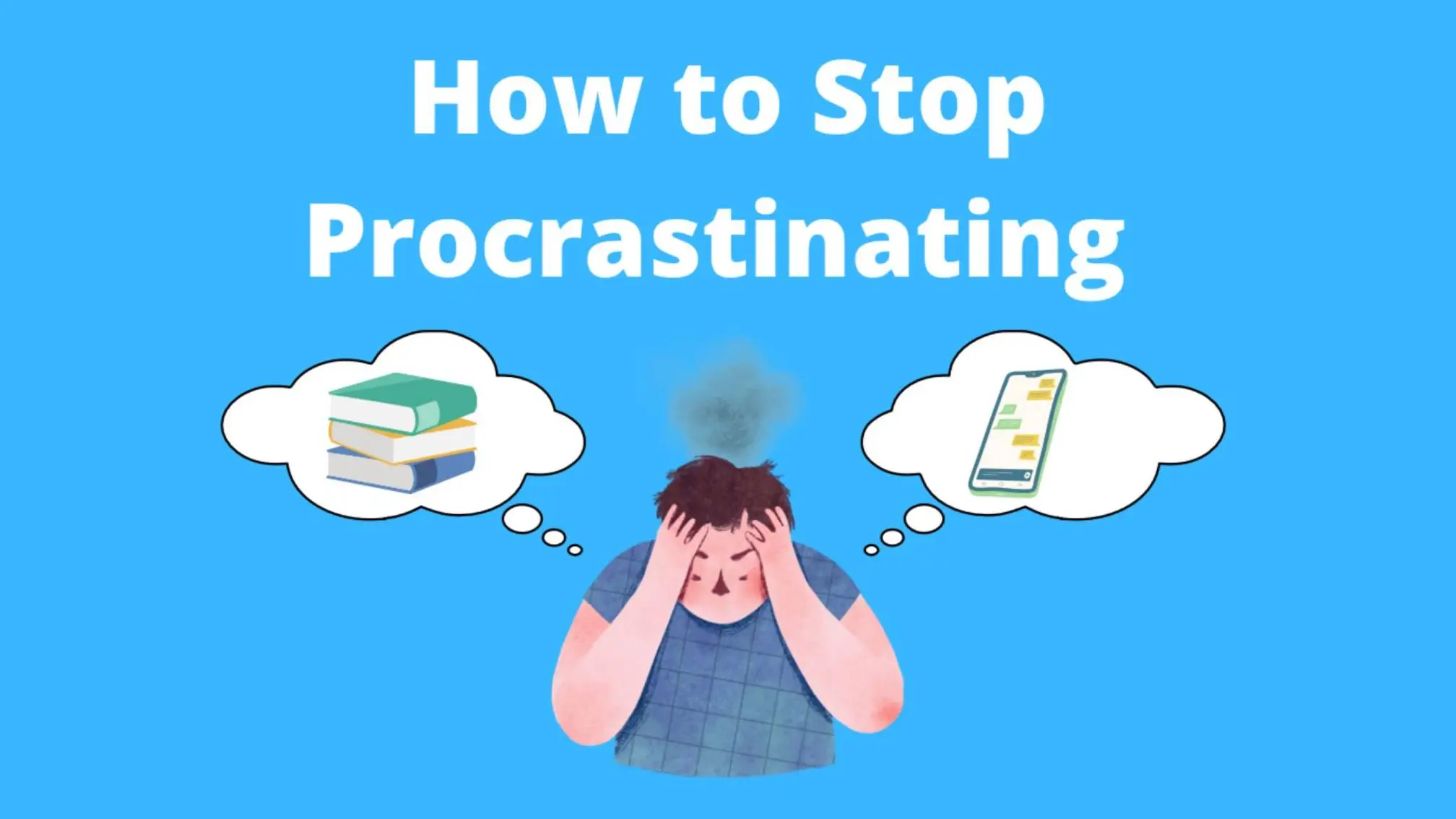
Youll be tempted to procrastinate. Make peace with "good enough" work on bad weeks. Progress matters more than perfection.
Red Flags: What Could Go Wrong With Online Master's Programs?
Its not all sunshine and flexible pajamas. Watch out for:
- For-profit schools pushing hard sales tactics
- Programs with weirdly low tuition or too-easy admissions
- No info about faculty or graduation rates
- Degrees that arent recognized in your field (check licensing)
If a website feels sketchy, or they dodge your questions, walk away. You want your degree to be respected by future bossesnot a punchline.
How Do You Apply to Online Graduate Programs?
Not much different than campus programs, but heres what most ask for:
- Bachelors degree (with your transcriptsorder those early!)
- Letters of recommendation
- A decent resume or CV
- Test scores (sometimes, not always: GRE/GMAT, etc.)
- Personal statementthis is where you get real
My advice: Be honest. If you struggled in college but have work experience now, explain it. Admissions people are human. They want to know who you are, not just your grades.
Is an Online Master's Degree Respected?
This question comes up all the time. Short answer: Yes, if its from an accredited school. Employers care more about your skills than whether you sat in a classroom. Especially after 2020, online degrees are mainstream. What matters most is what you learnand what you can show you can do.
What Does a Typical Week Look Like?
Count on lots of reading, video lectures, assignments, and maybe group projects. Expect:
- 10-20 hours a week for part-time programs
- More for full-time (treat it like a job)
- Deadlines, but usually some wiggle room
- Quick check-ins or live sessions, depending on your program
Biggest challenge? Managing your own time. Theres no bell ringing at the end of classyoure the one making it happen.
Final Thoughts: What Makes It Worth It?
Online masters programs arent for everyone. But they open doors for people who cant pause life for a campus degree. Will you have to work hard? Absolutely. Is it satisfying to get that degree email at midnight, knowing you made it work around everything else? No question. If youre thinking about taking the leap, do your homework, pick a program that fits your life, and commit. Pass or fail, youll learn a ton about yourselfand thats the real payoff.
FAQs About Online Master's Programs
- Are online master's programs as hard as campus ones?
Yes, most are just as tough. You do the same amount of work, sometimes more because you have to keep yourself on track. But you get the bonus of working from wherever fits you best. - How do I know if an online master's program is accredited?
Check the school's website for regional or national accreditation listings. Don't just take their word for itlook up the agency to make sure it's real and recognized in your country. - Can I work full-time and do an online grad program?
Lots of people do! It's tough, but with a clear schedule and support from family or your boss, it's possible. Most online graduate programs are designed for working adults. - Are there financial aid options for online master's degrees?
Yes, many accredited online programs let you use federal financial aid, scholarships, and sometimes payment plans. Always ask about all your options before you commit. - What's the biggest mistake people make picking an online program?
Rushing into a program without checking if it's accredited or fits your career goals. Take the time to do your research. A little extra work now can save you a big headache late. - Will my online degree say 'online' on my diploma?
Usually, no. Most diplomas just name the school and the degree. Employers rarely care how you took your classeswhat matters most is your skills and experience.