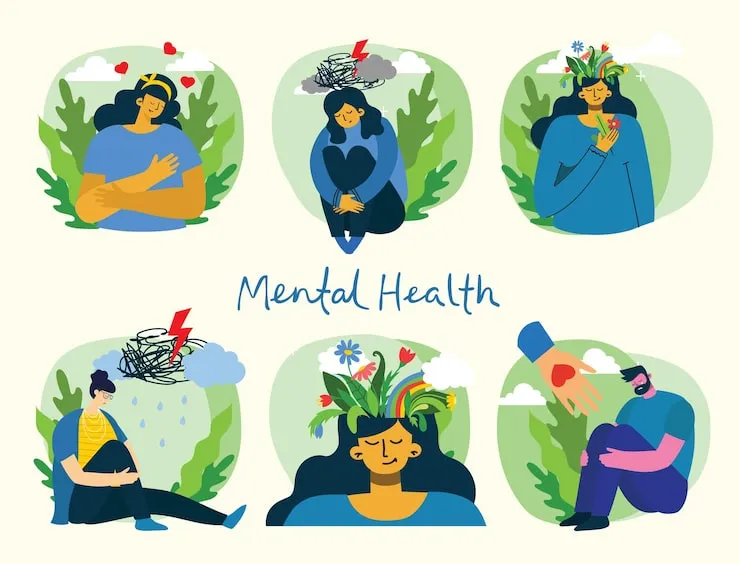
In today’s fast-paced world, mental health has become more critical than ever. Stress, anxiety, depression, and other mental health challenges affect millions of people across all ages and backgrounds.
While traditional therapy and medication remain vital, cutting-edge mental health programs are transforming the way individuals approach wellness, offering innovative methods that go beyond conventional care.
From digital platforms and virtual therapy to neurofeedback, mindfulness programs, and holistic approaches, these modern initiatives empower individuals to take control of their mental well-being, improve resilience, and create lasting positive change in their lives.
In this blog, we’ll explore the types of innovative mental health programs available, how they work, their benefits, and actionable ways you can integrate them into your life to achieve better mental health and overall well-being.
Why Modern Mental Health Programs Are Game-Changers?
Traditional approaches to mental health, such as talk therapy or medication, have helped countless individuals. However, these solutions can sometimes feel limited, especially for people seeking personalized.
Accessible, and holistic approaches. Cutting-edge programs incorporate the latest research, technology, and therapeutic techniques to offer more interactive, engaging, and tailored support.
Here’s why these programs are changing lives:
-
Accessibility – Online platforms, apps, and virtual therapy allow people to access support anytime, anywhere.
-
Personalization – Modern programs often use AI and data-driven tools to create individualized mental health plans.
-
Integration of Science and Technology – Techniques like neurofeedback, biofeedback, and virtual reality therapy provide innovative ways to manage stress, anxiety, and depression.
-
Holistic Approaches – Many programs combine mindfulness, nutrition, physical activity, and emotional wellness strategies to support the mind-body connection.
-
Preventive Focus – These programs emphasize building resilience and emotional intelligence, not just treating symptoms.
By embracing these innovative solutions, individuals can proactively enhance their mental well-being rather than waiting for crises to occur.
Types of Cutting-Edge Mental Health Programs
The mental health landscape is evolving rapidly. Here are some of the most promising types of programs transforming lives today:
1. Digital Mental Health Platforms
Digital platforms and apps are among the most accessible cutting-edge tools for mental health. They provide a variety of services, including therapy, meditation, mood tracking, and skill-building exercises.
Examples include:
-
Virtual Therapy Apps: Platforms like BetterHelp or Talkspace connect users with licensed therapists through messaging, video, or audio sessions.
-
AI-Powered Mental Health Tools: Apps such as Woebot use AI chatbots to guide users through cognitive behavioral therapy (CBT) techniques.
-
Mindfulness and Meditation Apps: Headspace and Calm provide guided meditations, breathing exercises, and sleep programs to reduce stress and anxiety.
Benefits: Users can access support discreetly, track progress, and engage with interactive content at their own pace.
2. Neurofeedback and Biofeedback Programs
Neurofeedback and biofeedback are advanced techniques that use real-time monitoring of brain or body activity to improve mental health.
-
Neurofeedback: Monitors brainwave activity to train the brain to function more effectively, often used to reduce anxiety, ADHD symptoms, or depression.
-
Biofeedback: Uses sensors to track physiological signals such as heart rate, muscle tension, and skin temperature, helping users learn stress management techniques.
Benefits: These programs provide tangible feedback, helping individuals understand how their body and brain respond to stress and teaching self-regulation skills that lead to improved mental wellness.
3. Virtual Reality (VR) Therapy
VR therapy is an innovative approach that uses immersive experiences to treat conditions like anxiety, PTSD, and phobias.
-
Example: Patients can safely confront fears in a controlled virtual environment, such as flying in a plane or speaking in public.
-
VR mindfulness programs allow users to meditate in serene, simulated environments, enhancing relaxation and reducing stress.
Benefits: VR therapy provides immersive, hands-on experiences that are highly effective for exposure therapy and skill-building, often accelerating progress compared to traditional methods.
4. Holistic Wellness Programs
Modern mental health programs increasingly adopt a holistic approach, recognizing the interconnectedness of mind, body, and lifestyle. These programs often combine:
-
Mindfulness and meditation
-
Physical exercise and yoga
-
Nutrition counseling
-
Stress management workshops
-
Sleep improvement strategies
Benefits: By addressing multiple aspects of well-being, holistic programs improve overall quality of life and promote sustainable mental health improvements.
5. Peer Support Networks and Community Programs
Cutting-edge mental health initiatives also emphasize community and peer support, leveraging the power of shared experiences.
-
Online forums, group therapy, and support communities offer safe spaces for individuals to discuss challenges and exchange coping strategies.
-
Programs like NAMI (National Alliance on Mental Illness) provide peer-led support groups and educational resources.
Benefits: Peer support reduces feelings of isolation, builds resilience, and encourages individuals to actively engage in their mental health journey.
The Benefits of Participating in Advanced Mental Health Programs
Engaging in modern mental health programs can bring transformative benefits beyond symptom relief. Here’s how:
1. Enhanced Emotional Resilience
Learning evidence-based coping strategies through these programs enables individuals to navigate stress, setbacks, and emotional challenges with greater ease and confidence.
2. Improved Self-Awareness
Digital tools, biofeedback, and mindfulness practices increase self-awareness, helping participants identify triggers, understand their emotional patterns, and respond constructively.
3. Better Physical Health
Mental health and physical health are deeply connected. Holistic programs that include exercise, nutrition, and sleep interventions often result in improved energy, immune function, and overall wellness.
4. Greater Focus and Productivity
Techniques such as mindfulness, meditation, and neurofeedback improve concentration, decision-making, and cognitive function, boosting productivity in work, school, and daily life.
5. Reduced Anxiety and Depression
Programs that integrate CBT, exposure therapy, mindfulness, or VR therapy can significantly reduce anxiety, depression, and other mental health symptoms, helping individuals regain control over their lives.
How to Choose the Right Mental Health Program?
With so many cutting-edge programs available, selecting the right one can feel overwhelming. Consider the following factors:
-
Needs Assessment: Identify your primary goals—stress reduction, anxiety management, emotional resilience, or overall wellness.
-
Professional Credentials: Ensure programs are backed by licensed professionals or credible research.
-
Accessibility: Consider whether the program fits your schedule, location, and budget.
-
Format Preference: Decide whether you prefer digital platforms, in-person sessions, VR experiences, or holistic group programs.
-
Evidence-Based Approach: Look for programs that use scientifically validated methods and demonstrate measurable outcomes.
Remember, combining multiple approaches often yields the best results. For instance, pairing virtual therapy with mindfulness exercises and community support can create a comprehensive mental health toolkit.
Steps to Integrate Cutting-Edge Mental Health Programs into Your Life
Taking the leap into a transformative mental health program can feel daunting, but small, deliberate steps can make the process manageable and effective:
Step 1: Start With Self-Reflection
Identify your current mental health challenges, goals, and what motivates you to seek change. Journaling, self-assessment tools, or even consultations with mental health professionals can clarify your priorities.
Step 2: Explore Options
Research programs that align with your goals, budget, and lifestyle. Look for reviews, success stories, and evidence-based outcomes.
Step 3: Commit to Consistency
Consistency is key. Engage with the program regularly, whether it’s daily meditation, weekly therapy sessions, or scheduled VR exposure exercises.
Step 4: Track Your Progress
Use apps, journals, or professional assessments to monitor improvements in mood, stress levels, sleep quality, and other relevant indicators. Tracking progress reinforces motivation and highlights the benefits of your efforts.
Step 5: Combine Approaches
Consider integrating multiple programs for a holistic experience. For example, combine mindfulness practices, virtual therapy, and physical wellness routines for maximum impact.
Step 6: Seek Support
Engage with peer groups, friends, or family members who can provide encouragement and accountability. Social support is a critical factor in mental health success.
Success Stories: Real-Life Transformations
Many individuals have transformed their lives through cutting-edge mental health programs:
-
Sophia, 28: After struggling with anxiety and insomnia, she integrated a VR mindfulness program with online therapy. Within months, her anxiety reduced, and she reported deeper sleep and improved focus at work.
-
James, 35: Using neurofeedback alongside a holistic wellness program, James overcame chronic stress and increased his resilience, enabling him to manage professional challenges more effectively.
-
Lila, 22: A college student battling depression found community-based peer support and digital therapy apps invaluable, helping her regain social engagement and academic performance.
These stories illustrate that combining innovative tools with personalized approaches can create sustainable and transformative outcomes.
Future of Mental Health Programs
The future of mental health is bright, with technology and research driving new possibilities for personalized care. Emerging trends include:
-
AI-Powered Therapy: AI tools providing adaptive cognitive behavioral interventions.
-
Wearable Mental Health Monitors: Devices that track stress, mood, and sleep patterns in real time.
-
Virtual Reality Immersive Healing: Advanced VR experiences for exposure therapy, meditation, and emotional regulation.
-
Integrated Mind-Body Approaches: Programs that combine neurofeedback, mindfulness, nutrition, and exercise for comprehensive wellness.
As these innovations continue to evolve, mental health programs will become more accessible, personalized, and effective, offering everyone the opportunity to transform their lives.
Conclusion
Mental health is a vital aspect of overall well-being, and embracing cutting-edge programs can create profound, life-changing results. By combining technology, holistic strategies, and evidence-based therapies, these programs offer personalized, accessible, and effective solutions for managing stress, anxiety, depression, and other mental health challenges.
Whether through digital platforms, VR therapy, neurofeedback, holistic wellness, or community support, modern mental health initiatives empower individuals to take control of their mental well-being, develop resilience, and create lasting positive change.
The message is clear: your mental health is worth investing in. Transform your life today by exploring these innovative programs, committing to consistent practice, and embracing the journey toward improved well-being. With the right tools and support, a healthier, more balanced, and fulfilled life is not just possible—it’s within reach.