Your Credit Score: Why Does Everyone Care?
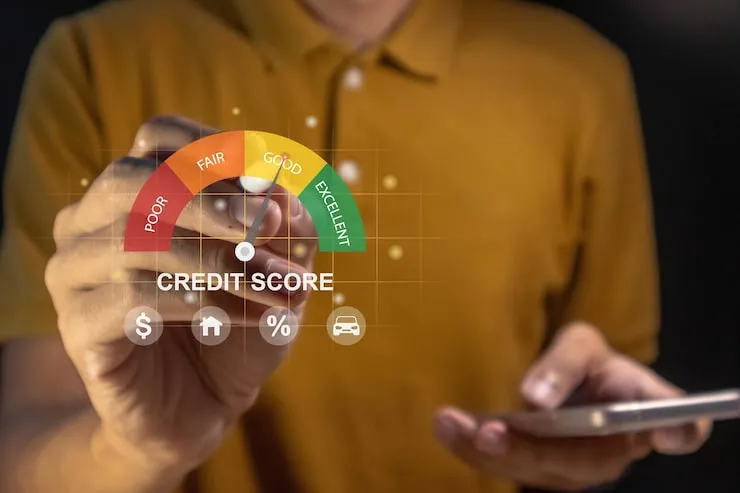
Let's cut through the noise. When people talk about your credit score, what they're really saying is, "Can we trust you with money?" It sounds harsh, but that's what lenders, landlords, and sometimes even jobs want to know. That three-digit number follows you every time you want a loan, a new phone plan, or even some apartments. If you've ever wondered why a bill slipped through the cracks and your next car loan got pricier, blame your credit score.
What Is a Free Credit Scoreand Why Should You Check Yours?
A free credit score is what it sounds like: the number lenders see, and you can see it too, with no cost. There's no catch. Checking your score won't hurt it. If you don't pay attention, you might not notice mistakesor miss a chance to get a better deal on a loan or credit card.
- It's usually between 300 and 850 (higher is better)
- Lenders use it to decide approvals and rates
- It's based on your payment history, how much you owe, and more
Keeping an eye on your score is like checking your gas gaugeyou don't want surprises right before a road trip.
How To Check Your Credit Score FreeNo Gimmicks
Fake 'free' sites want your money later, but legally, you're entitled to a no-strings-attached peek at your credit. Here's how you can do it without getting caught in the upsell trap:
- Go to an official, government-approved website for your annual free credit report
- Some credit card apps and banks give you your score for free in your account dashboard
- There are also trusted apps with no membership fees
I tried a few free sites after college, hoping to see some mysterious high number. My score was...not high. But at least I knewand I wasn't paying to find out. If a site asks for payment info or claims you must sign up for a subscription, back out.
What's Inside Your Free Credit Report?
Your credit report is basically your financial report card. Here's what you'll see:
- Every loan and credit card you have (open and closed)
- Your payment history (on time or late)
- How much you currently owe
- Any accounts sent to collections
- Name, address, and sometimes jobs listed (for verification)
You'll check your score for a headline number, but the real action is in the details. Look for errorswrong addresses, accounts you didn't open, late payments that aren't yours. Fixing these can move your score fast.
How Does Knowing Your Score Help You Save Money?
This part's huge. A better credit score means:
- Lower interest rates on car loans, mortgages, and credit cards
- More likely to be approved for apartments and utilities
- No or lower deposits for cell phones and rentals
My friend Nick had a so-so score and paid $100 more per month for his car than I did, just because of a few missed card payments in college. Over five years, that's over $6,000 wasted. Your credit score can literally save you (or cost you) a small fortune.
How To Improve Your Credit Score for Free
This isn't magic, but it works if you stick with it:
- Pay bills on time, every time (even if it's the minimum payment)
- Use less than 30% of your credit card limit
- Don't open and close accounts too quickly
- Check your free credit report for errors regularly and dispute any mistakes you spot
- Avoid hard inquiries unless you need that loan or card
It can feel slow at first. The first time I disputed a late payment that wasn't mine, it took two months to drop offbut my score jumped 60 points when it did. This stuff adds up.
Common Mistakes People Make With Their Credit Score
- Ignoring their score and hoping for the best
- Piling up balances across lots of cards
- Chasing every store credit card offer (those quick hits add up)
- Thinking checking your own score will make it drop (it won't)
- Not reading the fine print on 'free' credit score sites
Don't feel bad if you've done some of these. Most people do. Knowing better is step one.
How Often Should You Check Your Credit Score?
At least once a year, but more is better if you're planning a big movelike buying a house or car. Many people check once a month through their bank or an app. It's like looking at your speedometer every so oftenyou catch problems before they get big.
FAQ: Free Credit Score Questions, Answered
- Can I check my credit score for free without hurting it?
Yes. Checking your own credit score is called a "soft inquiry" and it won't lower your score at all. It's smart to check often, especially if you're working to improve your credit. - What's the easiest way to get a free credit report?
You get one free credit report every year from each major bureau. Look for official sources and avoid sites that want your credit card info. Apps from big banks and credit card companies also show your score and report for free. - Will checking my free credit score show all the same details lenders see?
You see almost everything a lender sees, but some numbers might be a little different. Lenders use industry-specific scoring models, but your free credit score gives you a clear idea where you stand. - How fast can I improve my credit score for free?
If you pay your bills on time and clear up errors, you can see an increase within a few months. Big jumps might take a year, but even small changes add up. It's worth it. - Are free credit score apps safe to use?
Most are safe if they come from trusted banks or well-known finance companies. Read the privacy policy and never share your Social Security number unless it's a secure, official site. If you don't trust it, skip it. - What should I do if my credit report has a mistake?
Dispute it right away. Most reports have simple ways to start the process. Write down what you find and keep copies. Fixing mistakes can quickly boost your score.
Your Next Step to Better Credit
If you've read this far, you're already ahead of most people. Start by getting your free credit score today. Scan your report, fix any errors, and set a reminder to check again in a few months. Little moves now mean more money in your pocket down the road. It feels good to be in control. You got this.