Can You Really Have Financial Freedom and Live Sustainably?
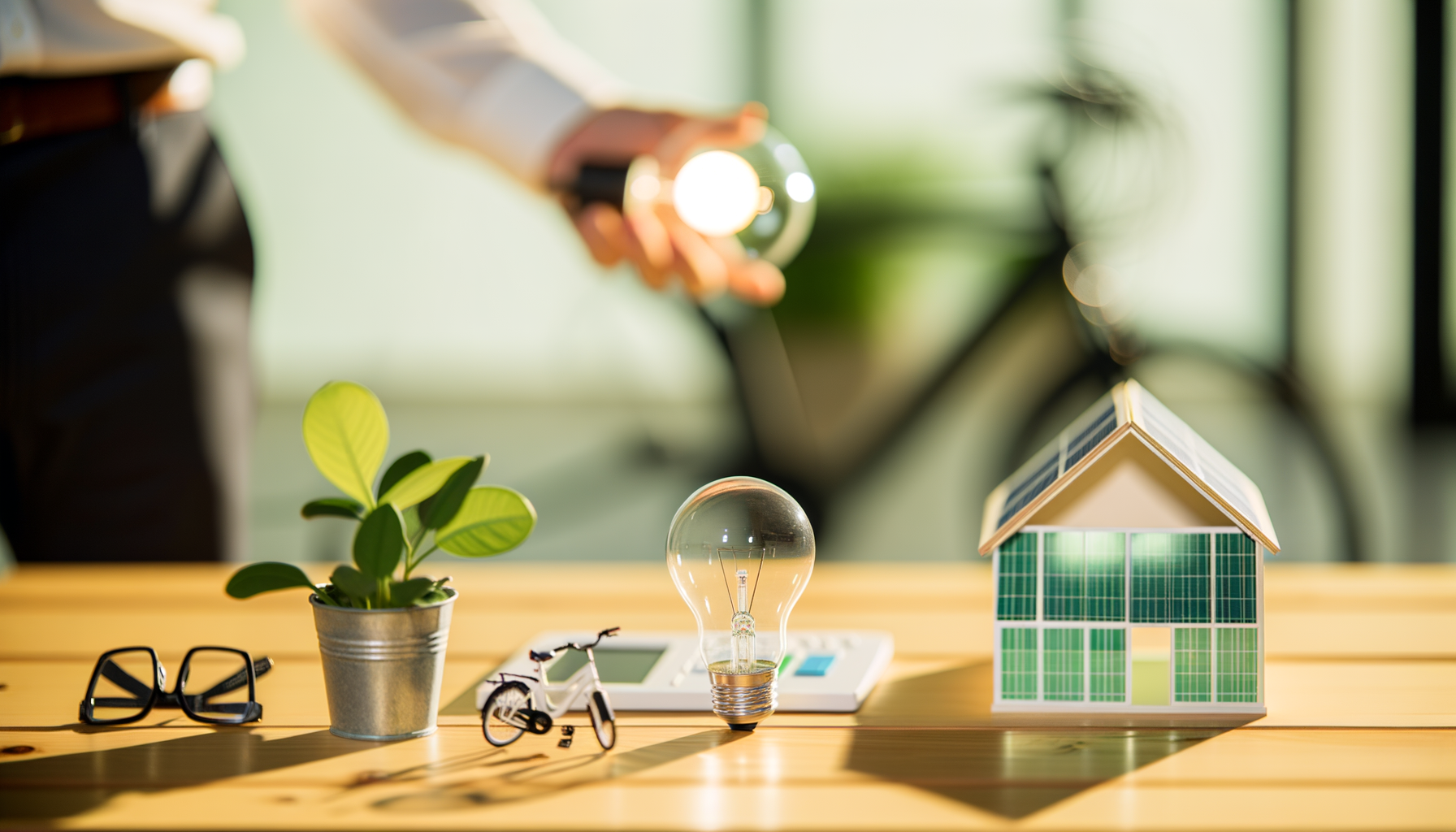
You want to live well, hit your money goals, and still feel good about what you buy and save. It sounds like a lot, but balancing financial freedom and sustainable living isn't some Instagram trend. It's doableeven on a normal income.
Think about how you spend: every dollar counts, not just for you, but for the planet. The choices you make around money could shrink your bills and your carbon footprint at the same time. Let's break down how real people blend saving, investing, and living in ways that help both their wallets and the earth.
What Does Financial Freedom Actually Look Like?
Financial freedom means having options. It's paying your bills, stashing some cash for later, splurging on stuff you care about, and not stressing over money every day. Sustainable living? That's just making choices that dont trash the planet. Turns out, a lot of these habits overlap.
- Living in a spot you can actually afford
- Choosing stuff youll use for years, not a few months
- Picking side hustles or careers with purpose
- Investing in things that do good, not just make cash
- Setting up your budget to cut waste (money and trash)
The goal? Your money feels like a tool for living your values, not just paying bills.
How Do You Start Building a Green Budget?
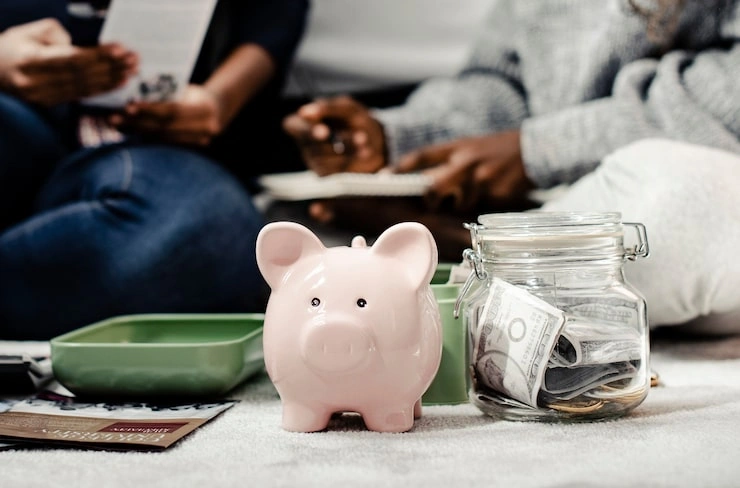
If budgeting makes you groan, youre not alone. But a sustainable budget doesnt have to be color-coded. Its about tracking your cash so you spend less on junk and more on what matters. Heres the trick: line up whats good for the planet with what saves you money. You kill two birds (well, hopefully just the metaphor) with one budget.
- Buy less stuff, but buy it better. Nicer gear, less often.
- Eat at home. Its cheaper and skips the takeout packaging.
- Use public transit when you can. Gas and parking add up fast.
- Cut energy wasteunplug what you arent using.
- Be picky about subscriptions (do you really use all five streaming services?).
Track your wins so you see the savings stack up. Even $20 a week matters over a year. And when things get tight, remember youre not just saving money, youre also doing less harm.
Is Eco-Friendly Investing Really Worth It?
Putting your money where your values are is trendingand for good reason. Eco-friendly investing, also called sustainable or green personal finance, lets you grow your money in companies making a difference. No, you dont have to be a financial whiz.
What Counts as Eco-Friendly Investing?
- Mutual funds focused on clean energy, waste reduction, or sustainable farming
- Stocks in companies that publish their environmental impact numbers
- Peer-to-peer loans for local green projects
- Banks and credit unions that dont fund fossil fuels
The upside? You don't just hope the future looks betteryou help pay for it. The risk? Like all investing, there's no crystal ball. Some green funds beat the market, some lag. Start small, do some homework, and dont be afraid to ask dumb questions.
How Do Ethical Savings Work?
Ethical savings means your squirreled-away cash isnt quietly funding stuff you hate. Its about picking banks or products with decent track records for people and planet. Spoiler: even your online savings account matters.
- Research where your bank puts your deposits (some banks fund oil, others dont)
- Ask about social responsibility or green certifications
- Switch to a credit union or online bank with strong ethical policies if you need to
- Stay alert for feesethical doesnt mean free money
Making the switch is often a little hassle up front. But a year later, you'll be glad your money isn't working against your values.
Does Sustainable Living Cost More?
This question pops up all the time. Theres an idea that eco-friendly always means expensive. Sometimes it doesits hard to swap every habit overnight if youre on a tight budget. But usually, the basics like conserving energy, skipping single-use stuff, and buying less save real cash.
The trick is to start with one swap at a time. Before buying something new, ask: Will I use this for at least a year? Can I get it secondhand? Over time, the savings stack upeven if you splurge on a pricier, longer-lasting thing now and then.
What Are Common Pitfalls When Trying to Live Green and Save?
Going all-in at once. You cant go from zero to perfectly green overnight. Another mistake: paying extra for eco stuff without checking if you even need it. Watch out for greenwashingproducts that look planet-friendly but aren't really. And don't get discouraged if you slip; nobody goes plastic-free in a week.
- Trying to upgrade everything at oncepick one or two swaps first
- Believing every "green" label is legitlook for proof
- Getting frustrated by slow progressits okay, keep moving
Setbacks are normal. The fact that you're even thinking about this means you're ahead of the curve.
Bringing It All Together for Real Life
Financial freedom and sustainable living aren't one-time checkboxes. They're habits you build day by day. Every dollar you save, every earth-friendly choice, pushes you a little closer to a life where money stress is lower and your impact is lighter.
Pick one tip from this list and try it out this week. Dont aim for perfectjust better. Over time, your money and the planet will thank you. And if you mess up? No biggie. Start fresh tomorrow. Youve got this.
FAQs: People Ask These About Green Finance & Sustainable Living
- How can I start eco-friendly investing with little money?
Plenty of apps and platforms let you start with just a few dollars. Look for funds with "ESG" or "green" in the name. Even $20 a month grows over time, and you get to support causes that matter to you. - Is living green really cheaper in the long run?
Yes, in most cases. Cutting waste and buying less means smaller bills. Solar panels or electric cars cost more at first, but over the years, the savings add up big. - What counts as an ethical bank?
Ethical banks invest in local communities, dont lend to fossil fuel projects, and have strong transparency rules. They put your savings to work in ways that match your values. - Can I actually see the environmental impact of my finances?
You can get a rough idea. Some banks and apps show your carbon footprint based on what you buy. Even tracking what you spend helps you spot areas to improve. - What's the first step if I'm overwhelmed by going green?
Pick one small changemaybe unplug your devices at night or cook dinner instead of eating out. Build from there. Every bit counts, and youll get more confident along the way. - Are sustainable budgeting apps really helpful?
Some are, especially if they track carbon emissions or suggest green options for your budget. But the best tool is the one youll actually use and update, even if its just a plain notepad.