Why should you care about your credit score?
If you've ever tried to get a loan, credit card, or even rent an apartment, you know this: your credit score can make things way easier or much tougher. It's basically your financial trust signal. Lenders use it to decide how risky it is to let you borrow money. Even if you're not planning on buying a house any time soon, your credit score matters. Some jobs check it. Some phone plans do too. It's not just about moneyit's about options.
What exactly is a credit score?
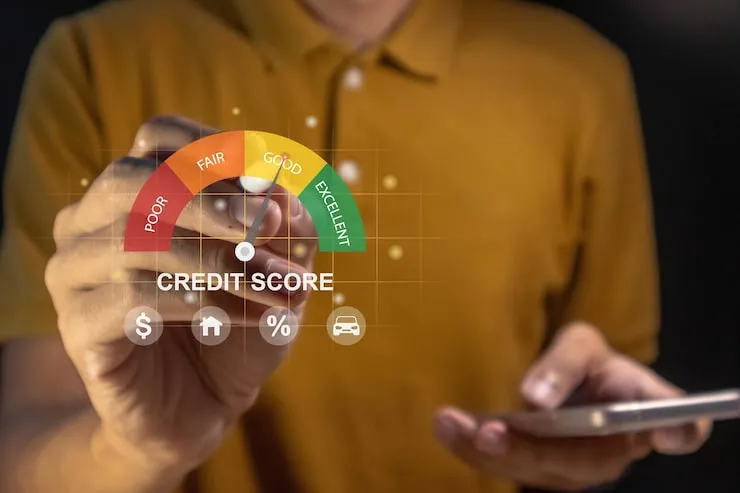
Your credit score is a number, usually between 300 and 850, that shows lenders how likely you are to pay back what you borrow. It comes from the information on your credit report, which tracks what you owe, how often you pay bills on time, and how much new credit you have. The higher your score, the more people trust you with credit. It's like a financial report card, but you can check it as often as you wantespecially when it's risk-free.
How to check your credit score for free (and why its risk-free)
Here's the good news: getting your credit score is way easierand less scarythan most people think. You dont have to pay for it. And checking your own score does not hurt your credit, no matter what youve heard. Thats what makes it totally risk-free. There are plenty of services and apps that show your free credit score or full credit report online. Some even update every month. Try these steps:
- Pick a reputable service (many banks and card companies offer a free credit score check for customers)
- Set up an account (theyll ask for your basic info so they show the right report)
- Check your score as often as you wantit's your info
- Watch for updates and changes each month
If it feels weird to give out your info, remember: major sites use bank-level security. Never pay money or give your credit card number just to see your score.
What should you look for in your credit report online?
Your credit report isnt just a boring list of numbersit actually tells a story. Youll see your open accounts, payment history, total balances, and any late payments. Heres why it matters:
- Errors happen. And they can drag your score down without you even knowing.
- Old debts may show that dont belong to youespecially if your name is common.
- You might see signs of identity theft early if you recognize accounts you never opened.
Go through your report line by line. Its your money, your reputation. If you find a mistake, you can dispute it and try to fix your credit score for free.
Common mistakes when people check their credit score (and how to avoid them)
Lots of people get tripped up by myths or simple errors. Dont fall for these:
- Thinking checking will hurt your scoreit wont when you check your own info
- Believing all scores are the samedifferent sites use slightly different formulas
- Paying to see your score when you could do it for free
- Not reading the details on your credit report online, which might hide errors
If you see a number thats higher or lower than you expected, dont panic. Focus on the big picturetrends matter more than a single number.
How to make your credit score work for you
Once you know your score, you can take action. Thats the whole point. Even small changes help. Heres how people boost their credit over time:
- Pay bills on time (set reminders if youre forgetful)
- Keep balances low compared to your credit limit
- Avoid opening a bunch of new accounts at once
- Dispute errors as soon as you spot them
Your score doesnt have to be perfect. But knowing itand checking your credit report online regularlyputs you in the drivers seat.
What if my score isnt good?
Weve all messed up at some point. If your score isnt where you want it, no shame. The key is not to avoid it. Catch problems early. Take small steps. You can rebuild credit with time, steady payments, and checking your credit score regularly. Dont let a bad number scare you away from trying to improve it.
FAQs
- How often should I check my credit score?
It's smart to check your credit score at least once a month. This helps you spot mistakes fast, catch signs of identity theft early, and track your progress if you're trying to build or repair your credit. Regular checks don't hurt your score, so there's no real downside. - Does checking my credit score lower it?
Nope! When you check your own credit score, it's called a "soft inquiry." These don't affect your credit at all. Only "hard inquiries" (like applying for a loan) might impact your score by a few points. Checking your report online is totally risk-free. - Can I really see my credit score for free?
Yes, you can! Many banks, credit card companies, and websites let you check your free credit score online. If anybody tries to charge you money just for seeing your score, look elsewhere. Stick with trusted sites that make it simple and safe. - What's the difference between a credit report and a credit score?
Your credit report is a full record of your borrowing, bill-paying, and loans. Your credit score is a number based on that report. It's a quick way for lenders to see how you've handled credit. Both matter, but the score is your financial snapshot. - How do I fix mistakes on my credit report online?
Start by finding the error on your report. Most credit report sites let you dispute mistakes right from your account. You'll need to explain what's wrong and share any proof if you have it. The credit bureaus have to checkand fix real problemswithin about 30 days. - Does everyone have the same credit score?
No, your score might look a little different depending on which credit bureau or site you use. Each one uses its own math. As long as you're watching for big changes and know the general range, small differences are normal. Focus more on the trend than the exact number.
If you want more control over your money, start by knowing where you stand. Use a risk-free credit score check as your first step. You'll feel more confident and spot problems before they become big headaches.