If you're drowning in bills and every month you feel like you're just shuffling numbers around, you're not alone. Handling debt can feel like trying to empty a sinking boat with a cup. Here's where debt consolidation loan strategies come in: they're a way to combine your debts into one simple payment, often with better terms. In this guide, you'll learn how these strategies work, why they help, and how to avoid the biggest mistakes people make. Ready to see how one good move could change your money situation?
What's Debt Consolidation, Really?
Debt consolidation means rolling multiple debts (like credit cards, medical bills, or personal loans) into one new loan. The new loan should have better termsmaybe a lower interest rate or longer time to pay. The point? Make things simpler, pay less interest, and ideally get out of debt faster.
- You only have to remember one due date
- Interest can be lower than what you were paying
- You might pay less each month
But if you pick a bad loan or don't change your spending, you could end up in a deeper hole. So, let's talk about how to avoid that.
Should You Use a Debt Consolidation Loan?
It's not for everyone. Debt consolidation loans work best if you:
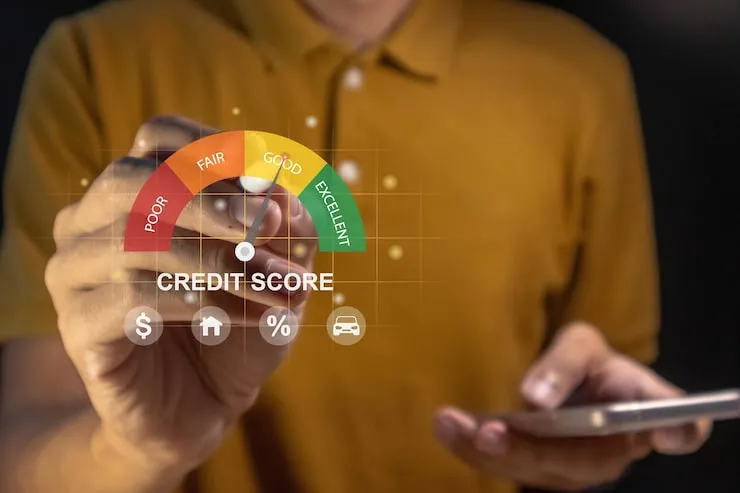
- Have a good credit score (so you get a good rate)
- Want one easy payment instead of juggling several bills
- Can stop using credit cards and avoid new debt for now
This isn't a magic fix. If you keep spending more than you make, the cycle keeps going. But if you use it as a reset button, it can really help.
How to Pick the Right Loan for Debt Consolidation
Not all loans are equal. If you've tried searching "loan options for debt," you know it gets confusing. Here's how to figure out what actually works:
- Check the interest ratelower than your current rates? Good.
- Look at loan fees (application, early payoff fees, etc.)
- See if the payment fits your budget (don't stretch too thin)
- Consider personal loans, balance transfer credit cards, or even a home equity loaneach has pros and cons.
Example: Mia had five credit cards and a car loan. She found a personal loan that replaced them with a rate half as high. Now she pays one bill each month and doesn't worry about surprise fees or missed payments.
Common Mistakes People Make With Debt Consolidation
Lots of people try managing debt with loans and stumble. Here's what trips them up so you can watch out:
- Not checking feessome loans look good, but the hidden costs add up
- Switching to a longer loan term and forgetting they'll pay more over time
- Not closing old credit cards, then racking up new debt
- Missing a payment because they thought they'd already "fixed" their debt
And, yeah, sometimes people feel relief and start spending again. Don't fall for that traptreat this as your shot to build new habits.
Debt Repayment Plans: Which One is Best for You?
If you're looking up debt repayment plans, you might be overwhelmed by choices. Here's an easy breakdown:
- Snowball Method: Pay off your smallest debt first while paying minimums on the rest. Then tackle the next one. Gives you quick wins and helps you stick with it.
- Avalanche Method: Pay off the debt with the highest interest, then move down the list. Saves you the most money overall.
- Debt consolidation loan: Combines all into one, with a set payoff date. You know exactly when you're done.
It's about what makes you stick to the plan. For some, seeing progress fast (snowball) matters most. For others, paying less interest is the big motivator. There's no wrong answerpick what you'll actually keep doing.
How to Make Sure Debt Consolidation Works for You
Here's how to set yourself up to win when reducing debt payments:
- Stick to a simple budget. Track what's coming in and what's going out for a couple months.
- Automate your new, single loan payment so you never miss it.
- Cut up or freeze old credit cardsseriously, put them in a drawer or a block of ice.
- Plan your exit. Write down your loan's payoff date and check your progress every couple months.
- Celebrate small wins, but don't splurge. Treat yourself without undoing your progress.
Managing debt is a marathon, not a sprint. But every step forward makes your life less stressful.
Real Talk: When Debt Consolidation Doesn't Make Sense
There are times when a debt consolidation loan just doesn't fit. Like if your credit score is in the dumps (you'll get a terrible rate), or you can't keep up with payments now. If you're not sure you'll keep your job or income steady, it might be risky to take on a new loan. In these cases, talking to a credit counselor might be a better move. It's all about knowing when to ask for help.
Wrap-Up: The Payoff of Doing Debt Consolidation Right
Debt consolidation loan strategies aren't a silver bullet, but they can make life a lot easier. The real win? Taking complicated, stressful debt and turning it into one plan you can handle. Start by checking your numbers, finding a good loan, and building some small, smart habits. In a few months, you'll look back and see how far you've come. You deserve that peace of mind.
FAQs About Debt Consolidation Loan Strategies
- What's the best loan option for debt consolidation?
The best option depends on your credit score, income, and how much debt you have. Personal loans are popular for most people since they're flexible and have fixed rates. If you qualify, a balance transfer card can work too, but only if you pay off the balance before the promo period ends. Always compare offers and pick the one with the lowest cost over time. - Will debt consolidation hurt my credit score?
Debt consolidation can cause a small dip at first when you apply for a new loan. But if you pay on time and don't run up more debt, your score usually bounces back and even improves over time. Lenders like to see you managing payments responsibly. - Do I have to close all my old credit accounts after consolidating?
No, but it's smart not to use them while you're paying off your new loan. Closing accounts can impact your credit score, but keeping them open and not using them is usually best until your balances are gone. - What if I can't get approved for a consolidation loan?
If you aren't approved because of your credit or income, don't panic. Try talking to your creditors about a repayment plan, or check if a credit counseling service can help. Sometimes smaller stepslike paying off one account at a timework better until your credit improves. - How fast can I see results from debt consolidation?
You'll notice a change right away in how many bills you have to pay, and your monthly payment may drop. Paying off the debt entirely depends on the loan term, which is usually 2-5 years. Stick with your plan and it'll get easier each month you see your balance go down. - Are there risks to consolidating my debt?
Yes, if you're not careful. You might pay more interest if you stretch payments too long, or rack up new debt and end up worse off. Always read the fine print and don't treat the loan as a free pass to spend again.