Stuck Under a Pile of Debt? Heres What Debt Consolidation Loans Can Do
Most of us have been there. Bills stacking up, due dates everywhere, and the stress of trying to keep up. It's enough to make anyone lose sleep. The good news? Debt consolidation loans exist, and they can give you the power to get a grip on your financesfinally.
If youre sick of tracking five different credit cards, payday loans, or random medical debts, these loans could be your lifesaver. Youll learn what they are, why they matter, how to use them, and even the snags that can trip you up. Ready to get the details and ditch the overwhelm?
What Are Debt Consolidation Loans?
A debt consolidation loan is a type of personal loan you use to pay off other debts. Instead of juggling multiple payments every month, you roll everything into a single loan with one monthly payment. This is the classic way to consolidate debt and, in most cases, make your life a whole lot simpler.
- Pay off credit cards, medical bills, or loans all at once
- Swap high interest for (usually) lower rates
- Focus on managing one payment, not a dozen
Example: Joe owed $10,000 on three cards at crazy interest rates. He got a debt consolidation loan at a much lower rate, paid off the cards, and instead of paying out to three companies, he only had one (much smaller) payment to remember. Was it magic? No. Was it way less stressful? You bet.
Why Should You Even Consider a Debt Consolidation Loan?
If juggling multiple debts is making you sweat, a debt consolidation loan can feel like a reset button. Theres real value here:
- Simplifies payments: You focus on one due date.
- Can lower interest rates: Especially if your credit is solid.
- Improves cash flow: Smaller payments, more money left each month.
- May boost your credit score: If you pay on time, your score can go up.
But heads up: its not a get-out-of-jail-free card. If you keep running up new debts, youll double your problems. The real win comes if you use the loan to pay off your old balances, then swear off extra spending.
What Kinds of Loans Can You Use to Consolidate Debt?
Youve got options. These are the most common ways to consolidate:
- Personal loans: Fixed interest, set monthly payment. Super popular.
- Balance transfer credit cards: Great if you can pay off the balance before the promo rate ends (usually 0% for 12-18 months).
- Home equity loans: Use your home as collateral. Only smart if youre sure you can pay it offotherwise, you risk foreclosure.
- Debt management plans: Set up by nonprofits. You get one payment, and the nonprofit deals with your creditors. No loan needed.
If youre not sure which loan options make sense, talk to a financial counselor or someone who really gets debt solutions. Dont just pick the shiniest onepick what actually fits your life.
How Do You Get a Debt Consolidation Loan?
Its not rocket science, but there are steps. Heres how it usually goes:
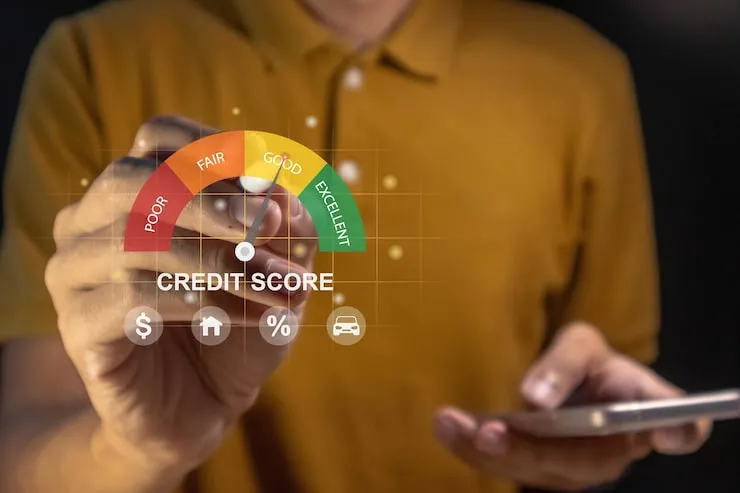
- Check your credit score.
- List every debt you want to pay off with the loan.
- Shop for rates from banks, credit unions, and online lenders.
- Apply. Youll need proof of income, ID, and a list of your debts.
- If approved, use the loan to pay off your debtsdont spend it on anything else!
A lot of people mess up by skipping the math. Before you apply, use a loan calculator. Make sure your new payment is actually lower and fits your budget. If you already struggle to keep up, dont commit to something bigger.
Pro Tip: Beware of Guaranteed Loans
If it sounds too good to be true, it probably is. No one can guarantee a loan without checking your info. Some companies play dirty, promising guaranteed approval only to charge you high fees or hit you with sky-high interest. If anyone asks for money upfront, walk away.
What Mistakes Do People Make With Consolidation Loans?
- Not changing spending habits: If you rack up new debt, the loan just adds to it.
- Ignoring fees: Watch for origination fees or prepayment penalties.
- Forgetting to read the fine print: Always know the exact rate and payment.
- Not making a budget: The loans useless if you cant afford the payments.
Be honest with yourself. A loan cant solve everything. Its a tool, not a cure-all. The real fix comes from tackling why you landed in debt and making changes for good.
What If You Dont Qualify for a Loan?
Dont panic. Not everyone gets approved, especially if your credit took a hit. Heres what you can try:
- Work with a debt management agencymany are nonprofits
- Try negotiating with creditors for lower payments
- Look into secured loans (but know the risks)
- Focus on tackling high-interest debts first (debt avalanche method)
The key is actionnot giving up. Youve got more power than you think.
How to Stay Out of Debt After Consolidating
- Make a simple budget (you can even start with paper and pen)
- Set up automatic payments, so you never miss one
- Cut out one unnecessary expense each month
- Keep your old credit cards open (for your credit score), but avoid using them
- Check in on your accounts monthlyits easy to let things slide
Small changes add up. The real goal isnt just paying off debtits staying out for good.
Final Thoughts: Take Your First Step Right Now
Debt can feel like a cloud that refuses to leave. But with the right tools, solid habits, and a concrete plan, you can push through and see blue skies again. Look at your options, get clear on your numbers, and pick a path that sets you up for less stress and more freedom. Youve got thisyou really do.
FAQs About Debt Consolidation Loans and Debt Relief
- Are debt consolidation loans good for bad credit? For people with poor credit, getting a great rate can be tough, but some lenders work with lower scores. Expect higher interest, though. Sometimes, a debt management plan is better if you cant qualify for an affordable loan.
- Does consolidating debt hurt your credit? Not usually. Applying for a loan may drop your score a little at first, but over time, making your payments on time can help boost it. Closing paid-off accounts might lower your score a bit, but paying down debt matters more.
- Whats the difference between debt consolidation and debt settlement? With consolidation, you combine debts into one new loan. With settlement, you try to get creditors to accept less than you owe. Settlement can hurt your credit, but consolidation usually doesnt if you keep up payments.
- Can I use a debt consolidation loan for all kinds of debt? Most loans cover credit cards, medical bills, and some personal loans. They dont usually work for student loans or tax debts. Ask the lender before you apply.
- Is it better to consolidate debt or pay it off on my own? If you can pay it off fast with your current funds, thats the cheapest way. Consolidation helps when you need lower payments or feel overwhelmed. The trick is picking a plan you can stick with.
- What fees should I watch out for in debt consolidation loans? Look out for origination fees, prepayment penalties, and late payment charges. Always read the loan agreement carefully. A low interest rate isnt a deal if you get hit with hidden fees later.